
Blog
What Winter Power Outages Do to Your New Haven Garage Door Opener
Power cuts hit garage door openers hard in New Haven's older housing stock and cold winters. Here's what to check and when a repair call actually makes sense.
How Local Conditions Play In
Most houses in New Haven's service area went up between 1954 and 1986, with the median build year sitting around 1972. That means the garage door opener bolted to your ceiling joist today is often the second or third unit in that spot - the original chain-drive motor replaced sometime in the 1990s or 2000s, then possibly again. Few of those replacements came standard with battery backup, because backup power wasn't common equipment on residential openers until well into the 2000s.
Layer the climate on top. This region sits in a cold, severe climate band, which means real winter: sustained stretches below freezing, ice, and the kind of cold that slows down lead-acid and lithium batteries alike. An opener that works fine in October can struggle in January, especially if the battery backup is older than the opener itself. Across the 41 named areas in this service territory - from Westville and East Rock in the city out through Hamden, North Haven, and Woodbridge - the housing stock is similar enough that this isn't a one-neighborhood problem. It's most of the city.
What to Check
Before you assume the opener is dead, check a few things. First, the manual release cord - the red handle hanging from the trolley. If someone pulled it during an outage to get a car out, the door is now running loose on the track by hand, disconnected from the motor, and it won't respond to the remote once power's back until you reconnect it.
Second, check whether there's a battery backup box mounted near the opener head. A lot of the 1990s and early-2000s units installed in this area's older housing stock don't have one at all. Third, if there is a backup battery, check its age - most are rated for only a few years of standby life, and cold weather cuts that further. Fourth, check the breaker, not just the wall switch. An opener that's silent and unresponsive after a storm is sometimes a tripped circuit, not a failed motor or circuit board, and that's a five-minute fix instead of a service call.
What Is Going On
When the power cuts, a garage door opener without battery backup simply stops - no lights, no motor, no keypad. The door stays wherever it was when the power died. If that's open, in this climate, that's a problem fast: cold air into the garage, and if a water line or furnace run passes through there, a freeze risk follows.
Openers with battery backup are built to run the door a limited number of cycles on battery power alone, but that output drops as temperature drops, so a backup that gets you ten cycles in July might get you four in January. That's not a defect, it's chemistry. Older chain-drive units draw more current to start than newer belt-drive motors, so if your opener dates from the 1990s-2000s replacement wave common in this housing stock, it's also the type most likely to drain a marginal battery fast during an outage. None of this means the opener is broken - it means the backup wasn't sized for the conditions it's now being asked to handle.
When to Call Someone
If the opener comes back on once power's restored and runs the door normally, you don't need a call - that's the system working as designed. Call if the door won't respond after power's back and you've already checked the manual release and reconnected it; that usually points to a dead circuit board or a failed battery backup unit, not a bigger structural problem.
Call if the door was left open during an outage and now binds or drags when you try to run it by hand - ice or a swollen track from cold exposure can do that, and it's worth a look before you force the opener and strip the gears. One thing we don't do: we don't work inside your electrical panel. If the opener has no power and the house circuit is also dead, or the breaker won't reset, that's an electrician's call first, not ours.
Questions
Common questions
Should I add battery backup to my opener if it doesn't have one?
Worth considering given the climate here and how much of the opener stock in this area predates backup power becoming standard equipment. A backup won't fix a dying opener, but it buys you cycles during a winter outage when the door would otherwise be stuck wherever it was when power cut out.
Why does my opener seem weaker in winter than in summer?
Cold slows battery chemistry and makes motors draw more current to start, especially on older chain-drive units common from the 1990s-2000s replacement wave in this housing stock. A backup battery rated for ten cycles in warm weather can deliver noticeably fewer once temperatures drop into the teens or below.
Recommendation
You Might Also Like
More garage door guides for New Haven homeowners.
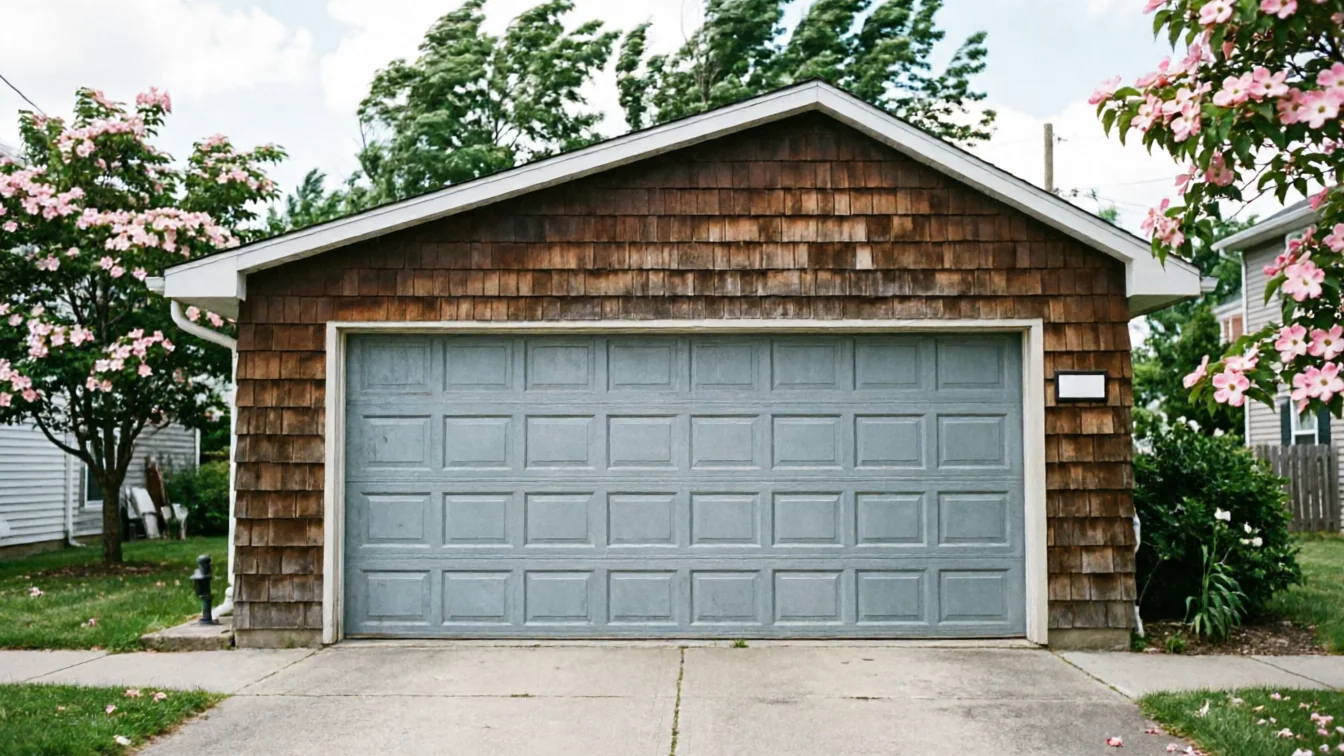
Why Pre-1972 New Haven Homes Give Garage Doors a Hard Time
Most New Haven garage doors date from 1954-1986, built before insulation codes.
Read guide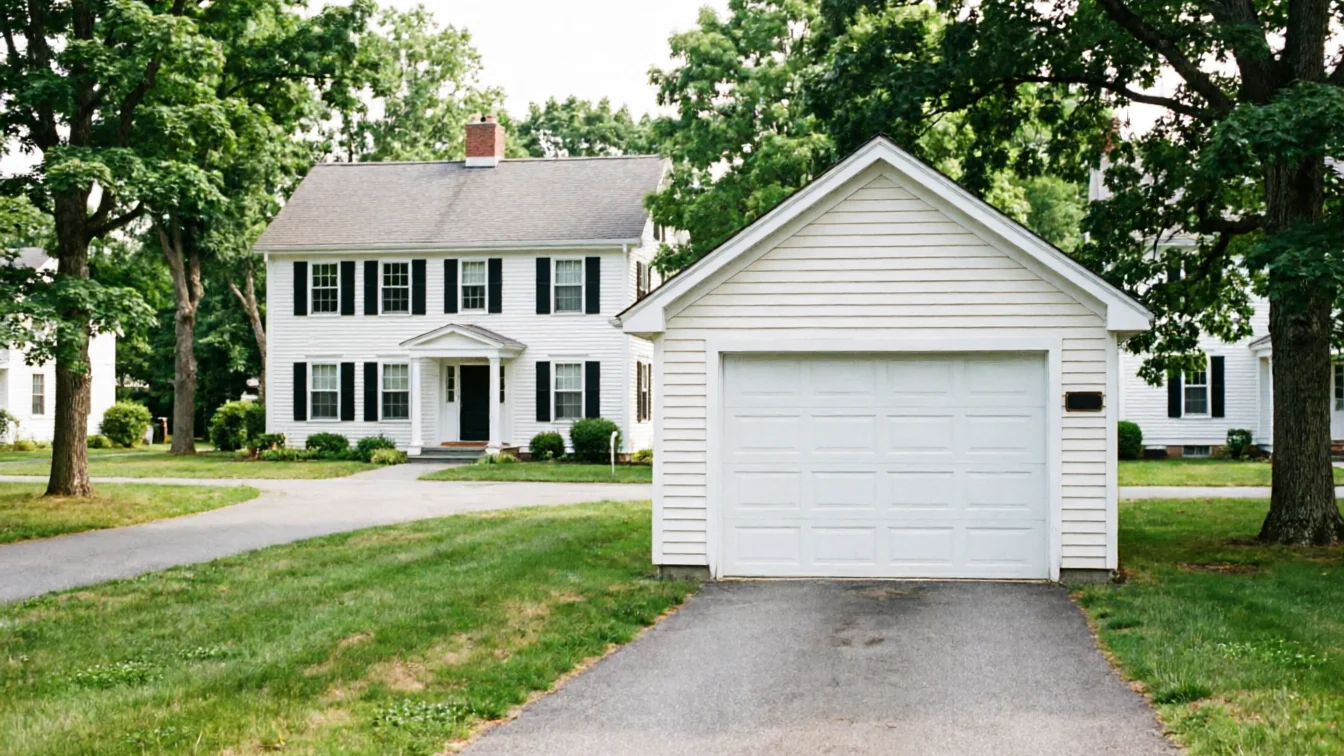
What a Service Call Actually Covers in New Haven
New Haven's housing runs 1954-1986 with cold-climate wear on original hardware.
Read guide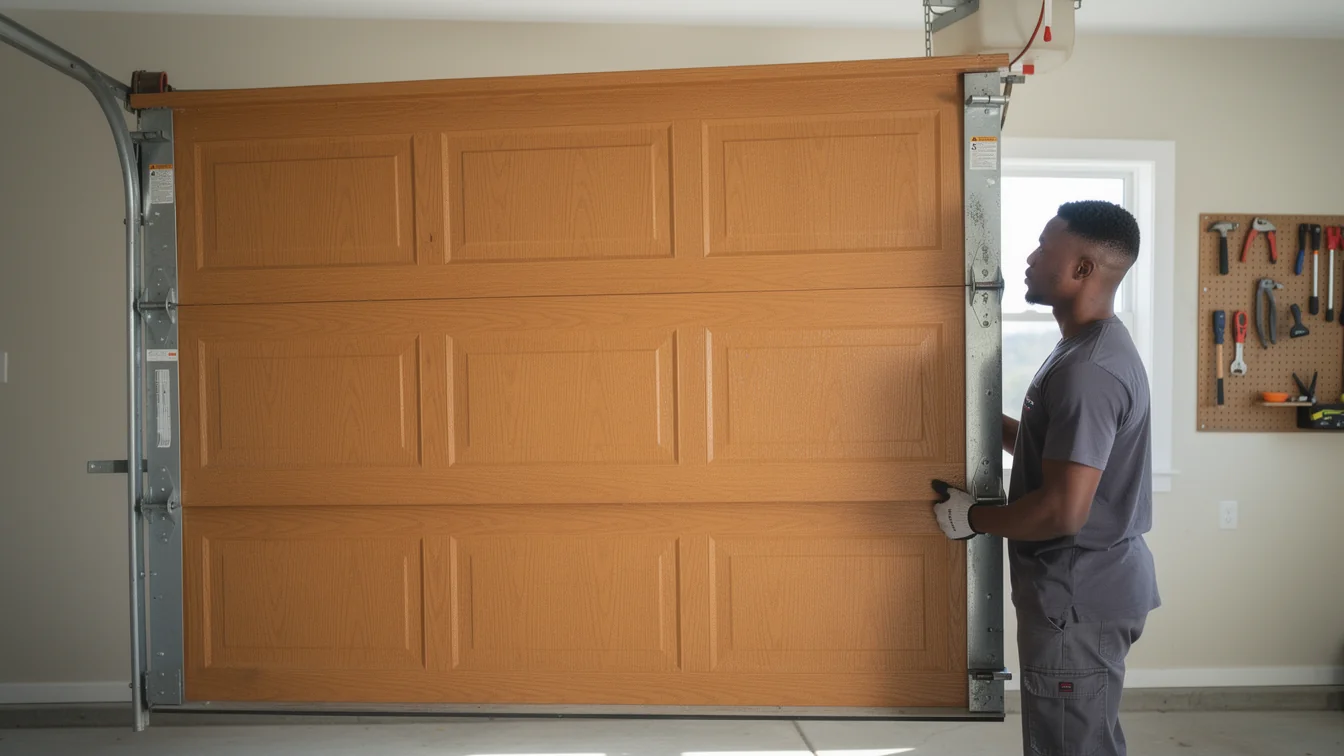
Why a Garage Door Goes Off Track
New Haven's 1954-1986 housing stock and severe cold winters put real strain on garage door tracks.
Read guideReady when you are
Need a garage door sorted in New Haven?
New Haven Garage Door Pros repairs and installs garage doors, springs and openers in New Haven, CT and the surrounding area.