
Heavy lift by hand
After that, the door gets heavy fast: if you try to lift it by hand and it feels like dead weight instead of lifting with a little help from the spring, the spring's done.
New Haven, CT
Broken torsion or extension springs are common in New Haven's 1960s-70s housing stock. Same service area coverage from Westville to East Rock. Call for a repair quote.
Pricing
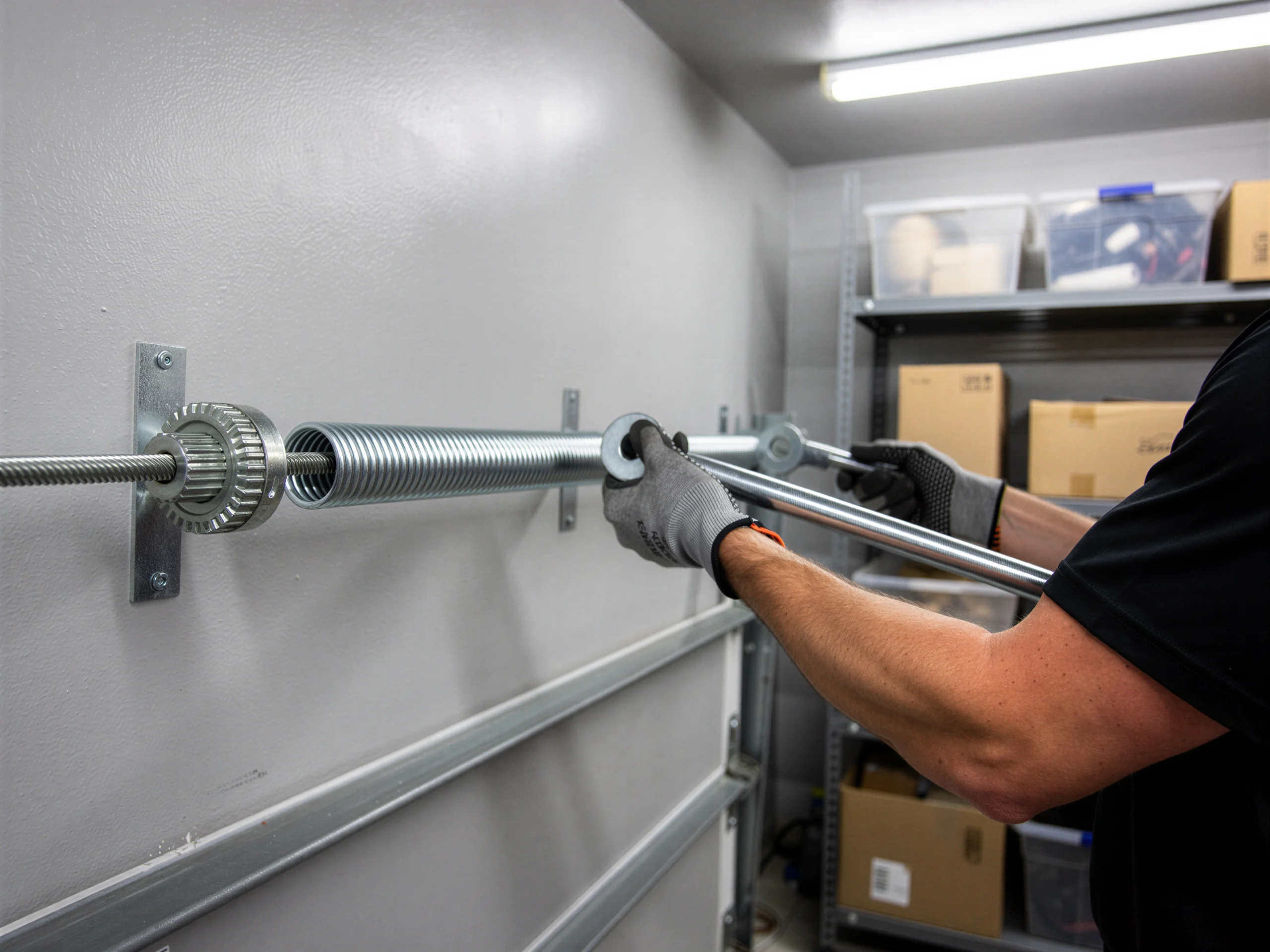
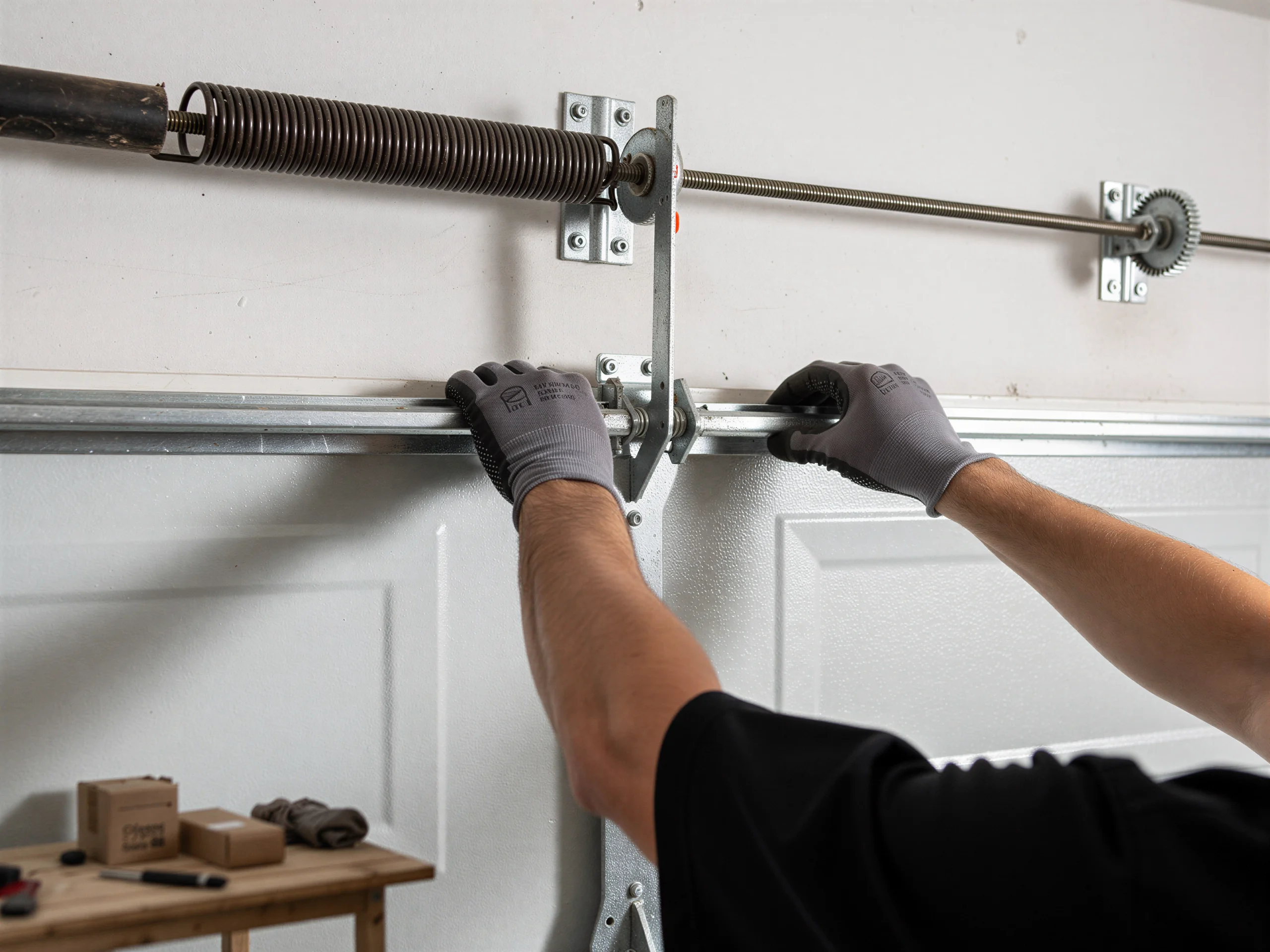
We don't post a flat number here because spring repair cost depends on what's actually broken and what's on the door. A single torsion spring job runs different money than a two-spring replacement on a heavier insulated door, and extension springs price out differently than torsion setups. What we can tell you is that New Haven's housing stock skews older - median build year 1972, with most of the 41 named areas we cover dating from the 1960s and 70s - so a lot of the springs we replace are factory-original hardware that's long past its cycle life, not a part that failed early. If your opener is straining, making noise, or the door won't stay up on its own, that's a spring call, and we'll give you a number once we see the door and the spring size, not before. One honest limitation: we don't guess prices over the phone without knowing the door weight and spring type, because a wrong guess helps nobody.
Local causes
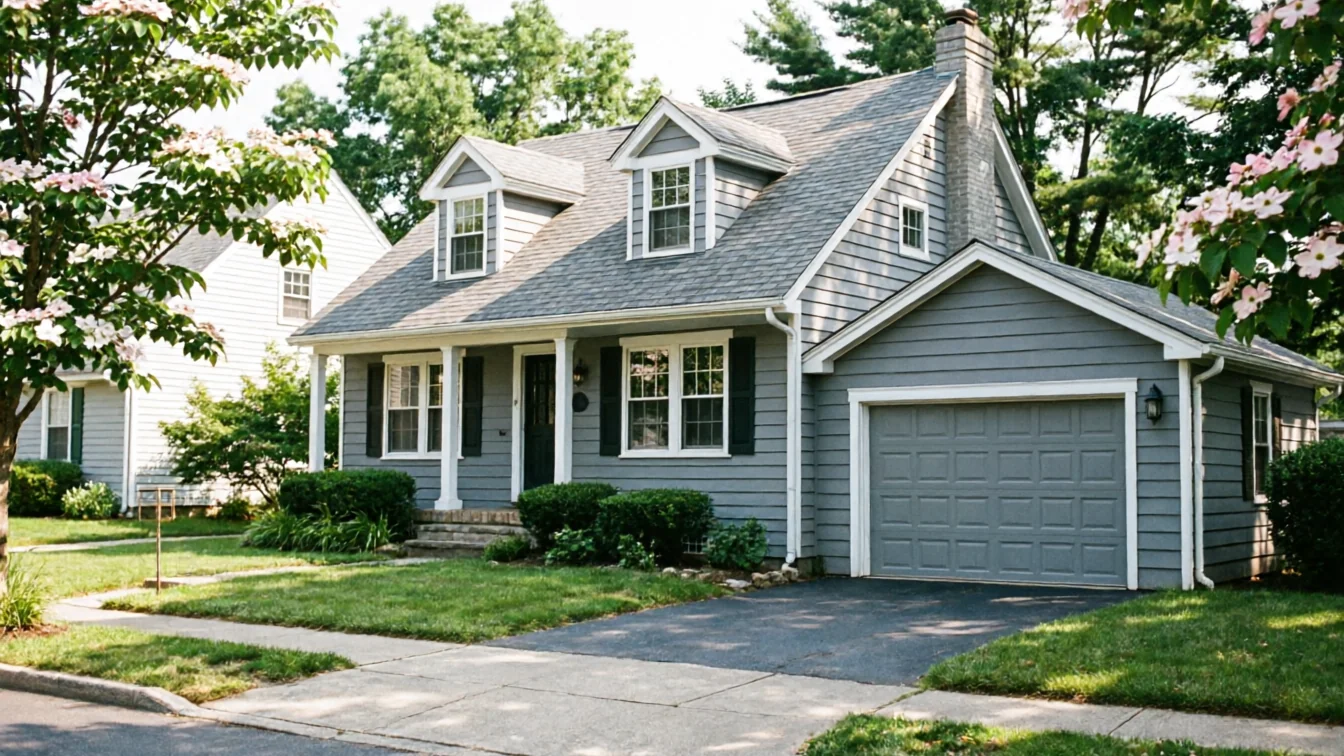
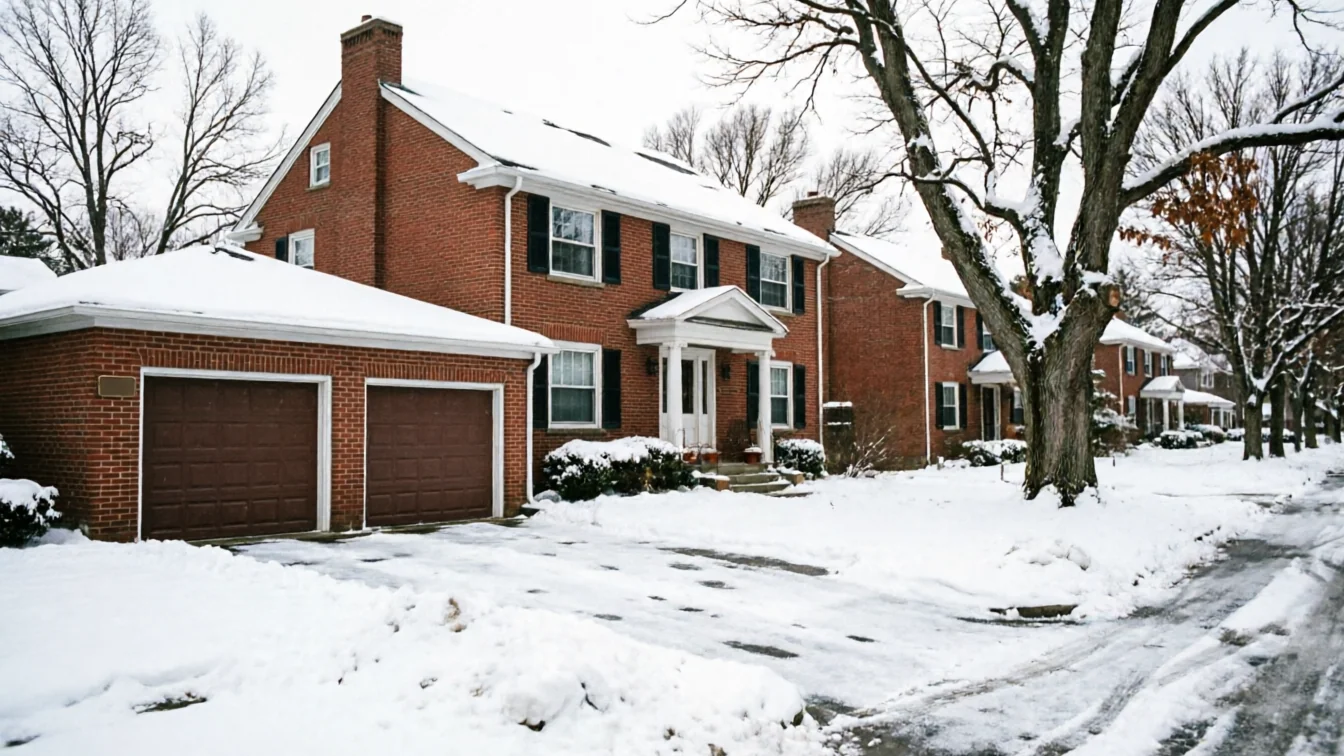
Most of New Haven's garage doors sit on torsion or extension springs installed when the house was built, and with median construction in 1972 across a service area that runs mostly 1960s-70s stock, a huge share of these springs are 40 to 60 years into a part rated for a set number of open-close cycles. Springs don't fail because of one cold morning - they fail because they've already used up their cycle life, and a severe cold climate band like ours adds stress on top of that. Steel contracts in low temperatures, torsion springs lose a little flexibility, and a spring that was already near the end of its rated cycles is more likely to snap on a 10-degree morning than a mild one. That's the pattern we see: original hardware from the 1960s and 70s, combined with real winter cold, failing in the coldest stretch of the season. Homes built later than the 1980s in this area are the minority, so original-spec, original-age springs are the rule rather than the exception on most streets we service.
Warning signs
A spring failure rarely comes out of nowhere. Before a full break, you'll often hear a louder-than-usual bang or pop from the garage - that's the spring letting go, sometimes while the door is sitting shut and nobody's touched it.
After that, the door gets heavy fast: if you try to lift it by hand and it feels like dead weight instead of lifting with a little help from the spring, the spring's done.
An opener will sometimes still try to run the door and strain, chain or belt skipping, without actually raising it, which can burn out the opener motor if it keeps trying.
On a two-spring torsion setup, one spring can fail while the other still holds some tension, so the door might look like it's working while actually running on half its lift force - that's the one we worry about most, because it keeps getting used until the second spring goes too.
Timing
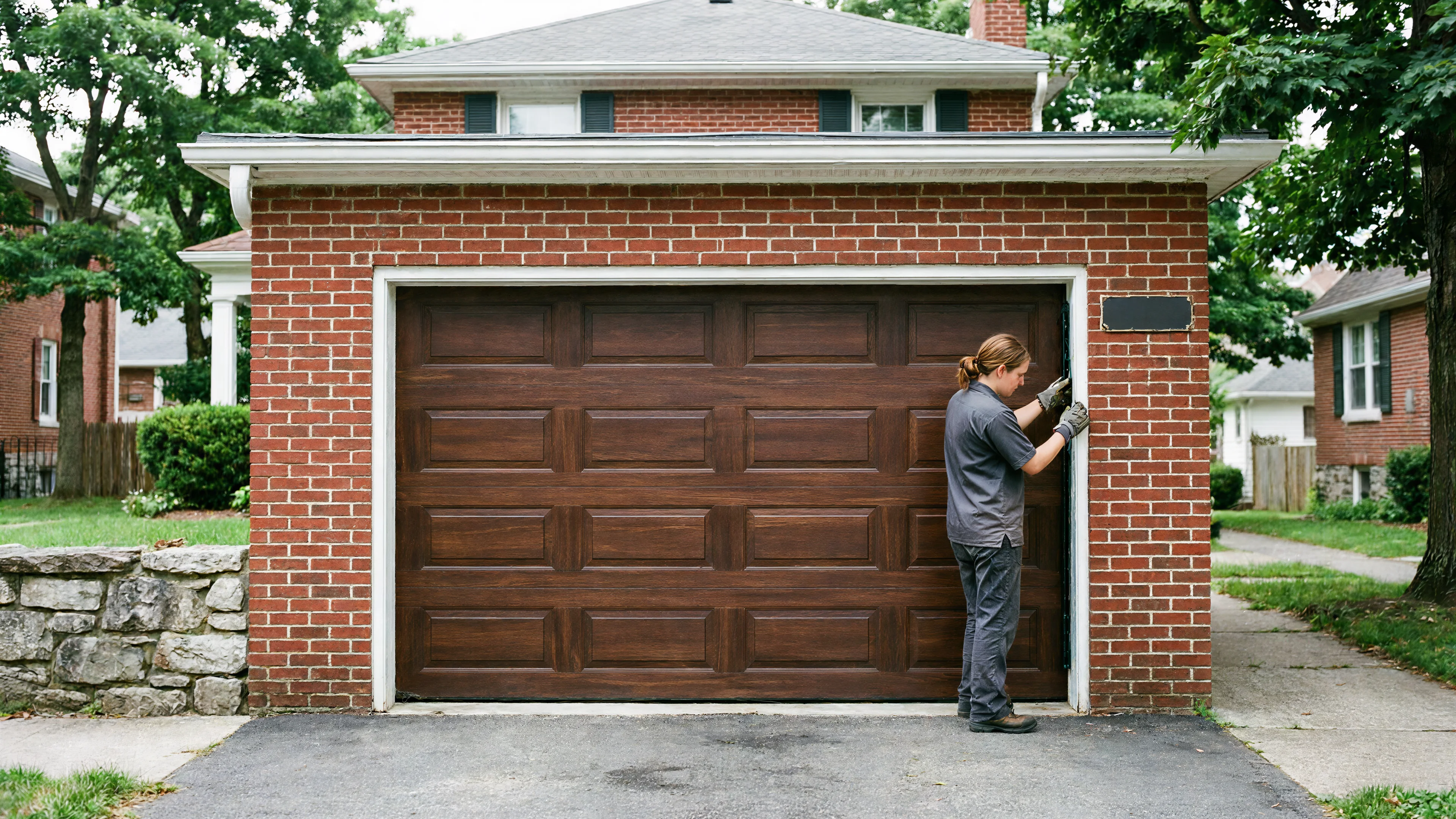
Spring replacement is a same-visit repair once the technician is at the door - it's not a job that needs the door off its tracks or a multi-day wait, and most jobs wrap up within a couple of hours including swapping cables and checking the drums while everything's apart. What can add time is matching the spring to the door: older torsion setups on original 1960s-70s hardware sometimes use wire sizes or drum configurations that aren't the current standard part, so the tech may need to confirm exact specs before cutting a new spring to length. We don't keep every wire gauge on the truck for every decade of hardware, so on an unusual setup there can be a short delay while the right spring gets sourced. For a standard double-torsion residential door, though, it's a straightforward same-day fix from the time we're on site.
Questions
Springs fail from cycle fatigue, not cold alone, but New Haven's severe cold winters add stress to hardware that's already near the end of its rated life. A lot of the springs we see here date to the original 1960s-70s construction, so a cold snap is often the final push on a part that was already close to done.
On most two-spring torsion setups we recommend replacing both at the same time, since they're usually installed together and wear at a similar rate. If one let go, the other is likely close behind, and running mismatched springs puts uneven strain on the opener and tracks.
You can, but the door will be very heavy without spring tension, so lift carefully and don't let it drop. Leave the opener disengaged until the spring is replaced, since forcing the opener to lift a dead-weight door can burn out the motor.
Yes, we cover the broader New Haven service area including nearby towns like West Haven, Hamden, North Haven, and others within about a 15-mile radius. Each area has its own page with local detail if you want specifics for your town.
Explore more
Ready when you are
New Haven Garage Door Pros repairs and installs garage doors, springs and openers in New Haven, CT and the surrounding area.