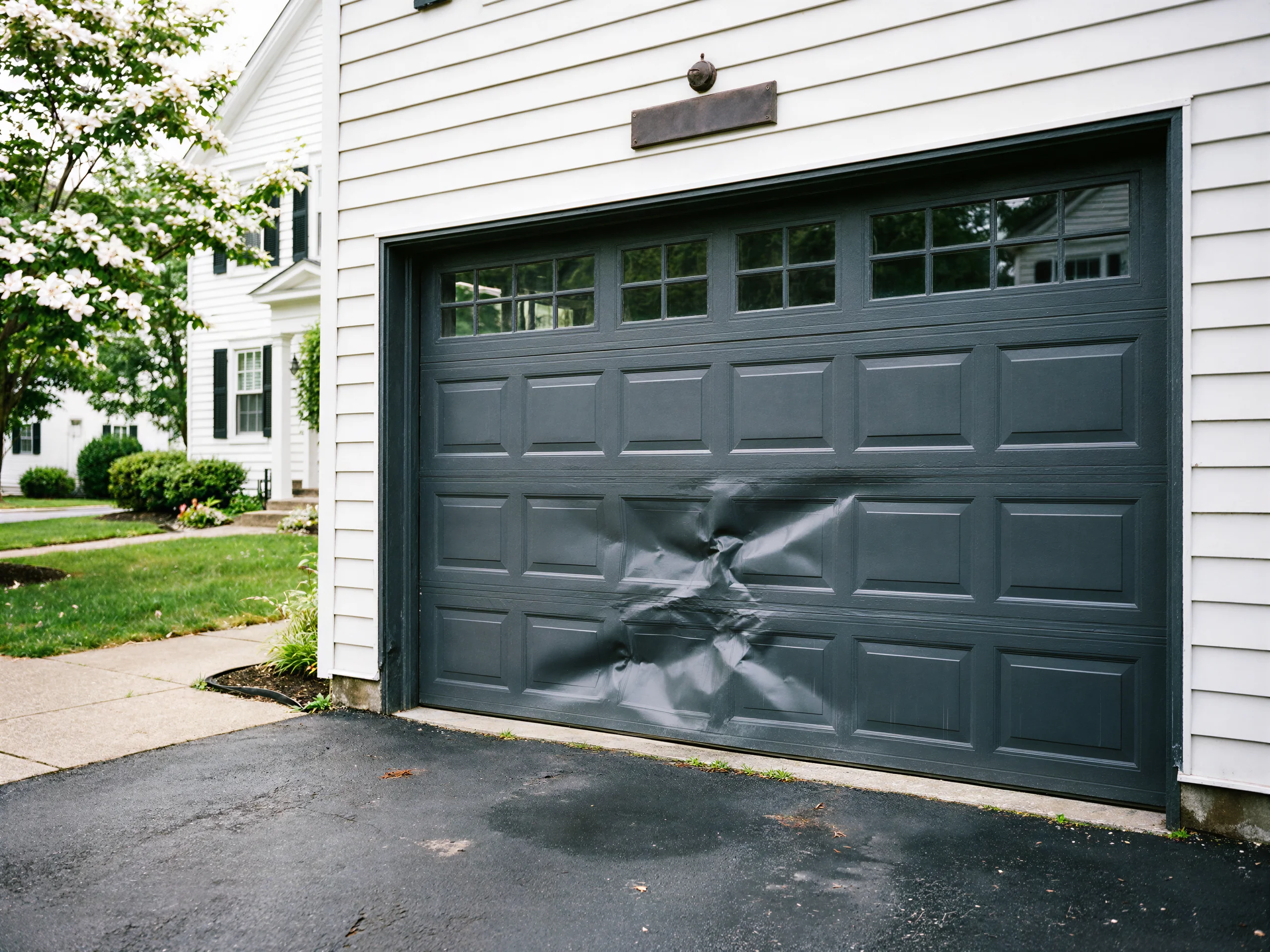
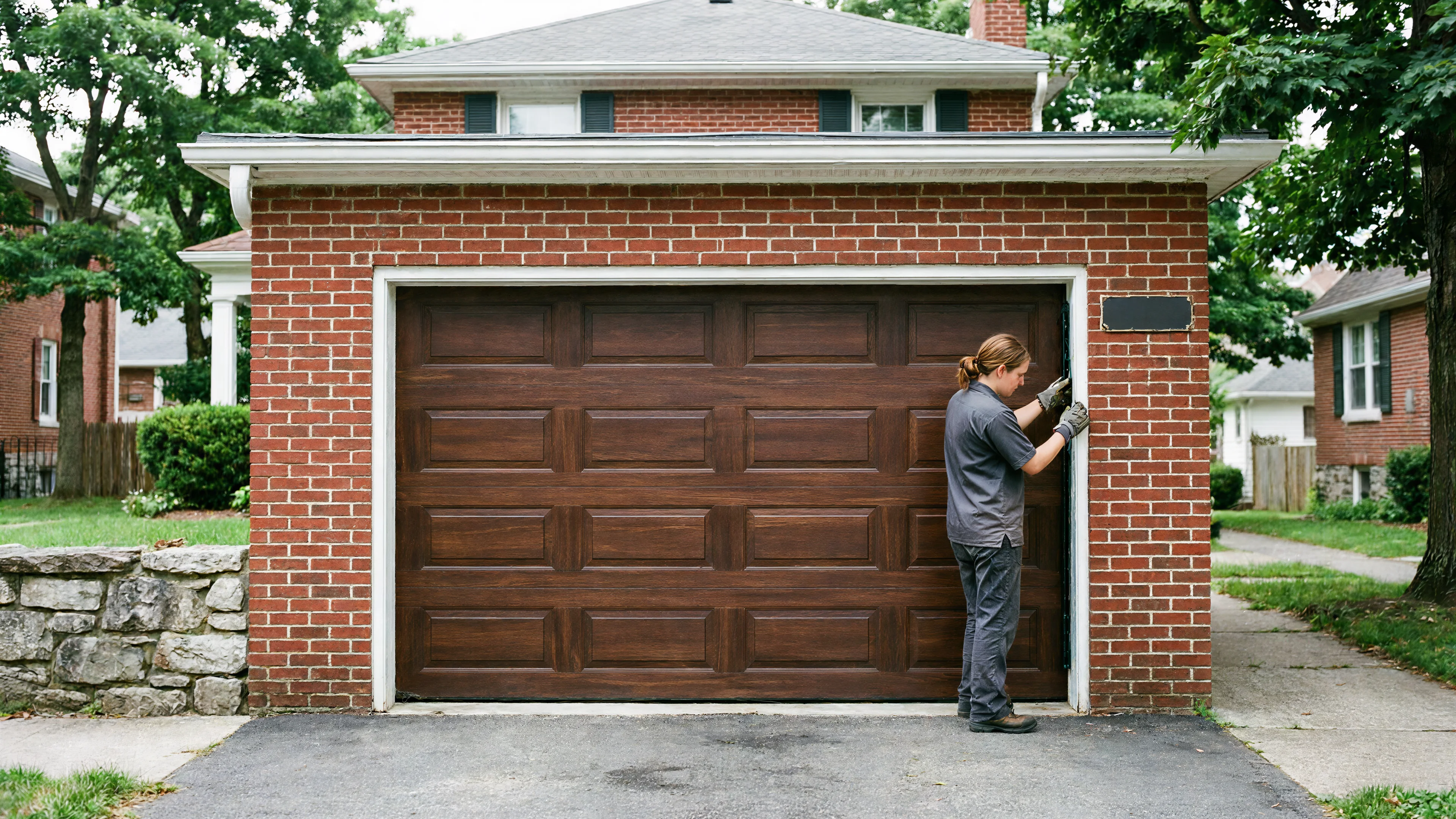
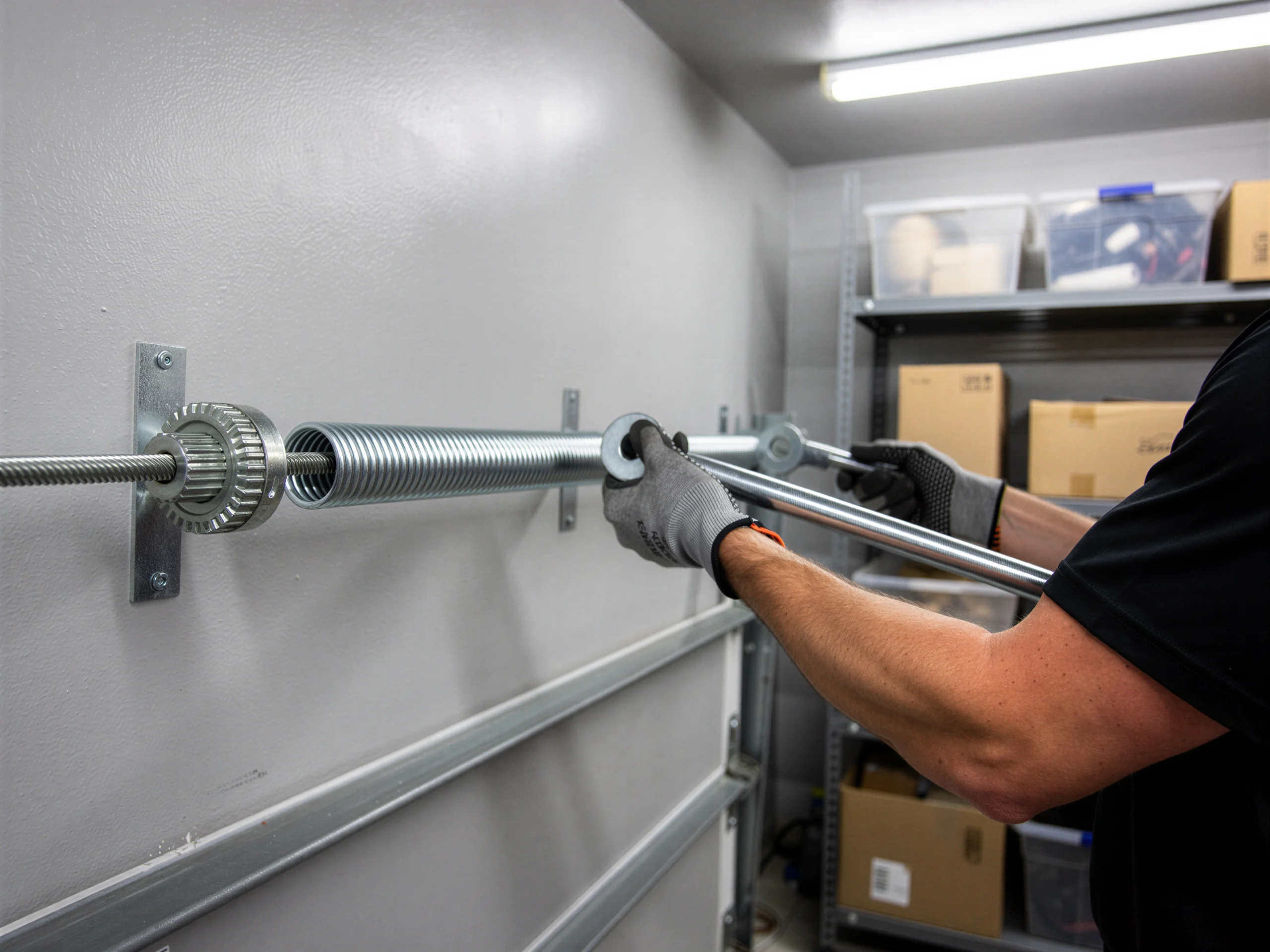
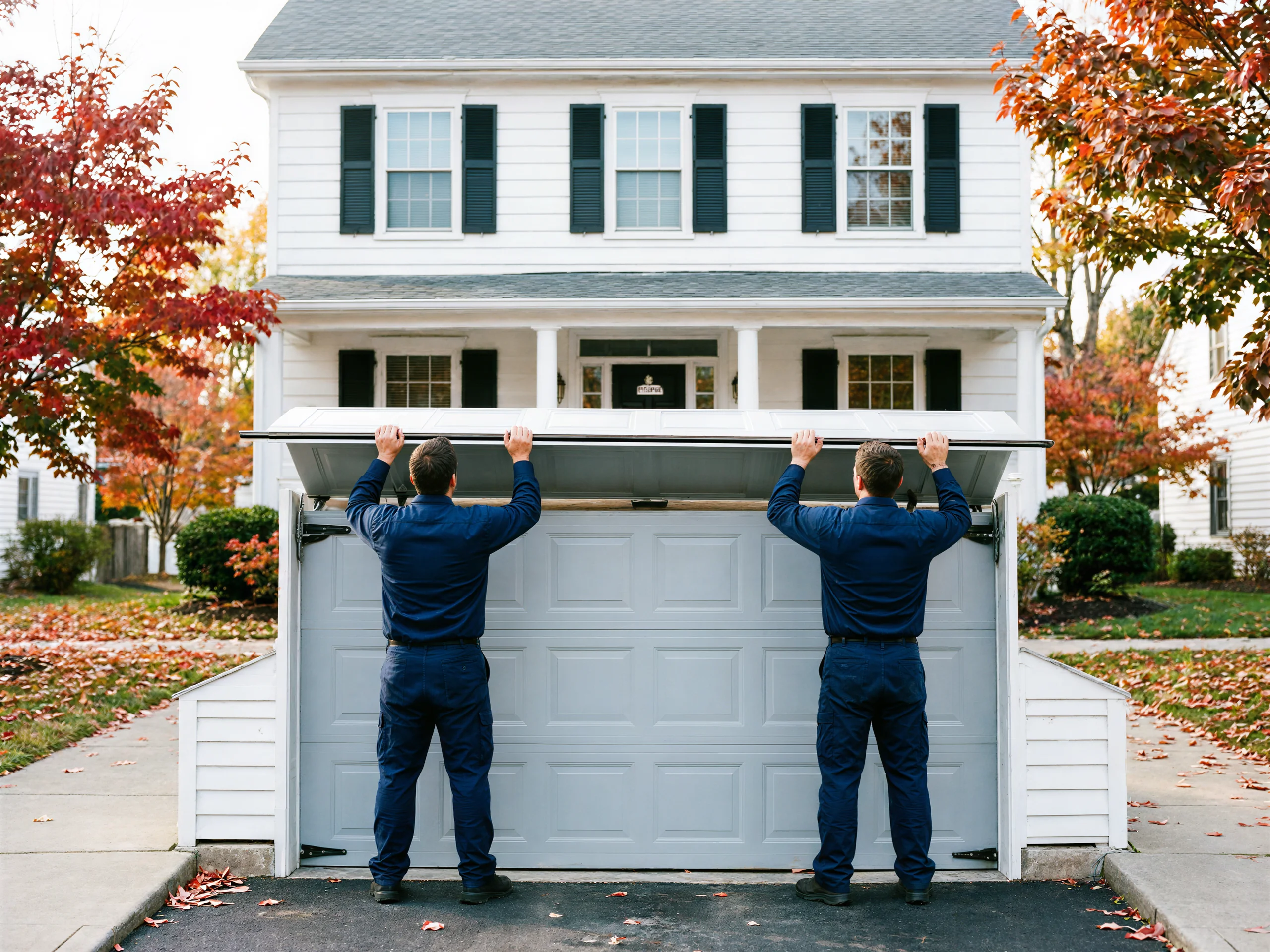
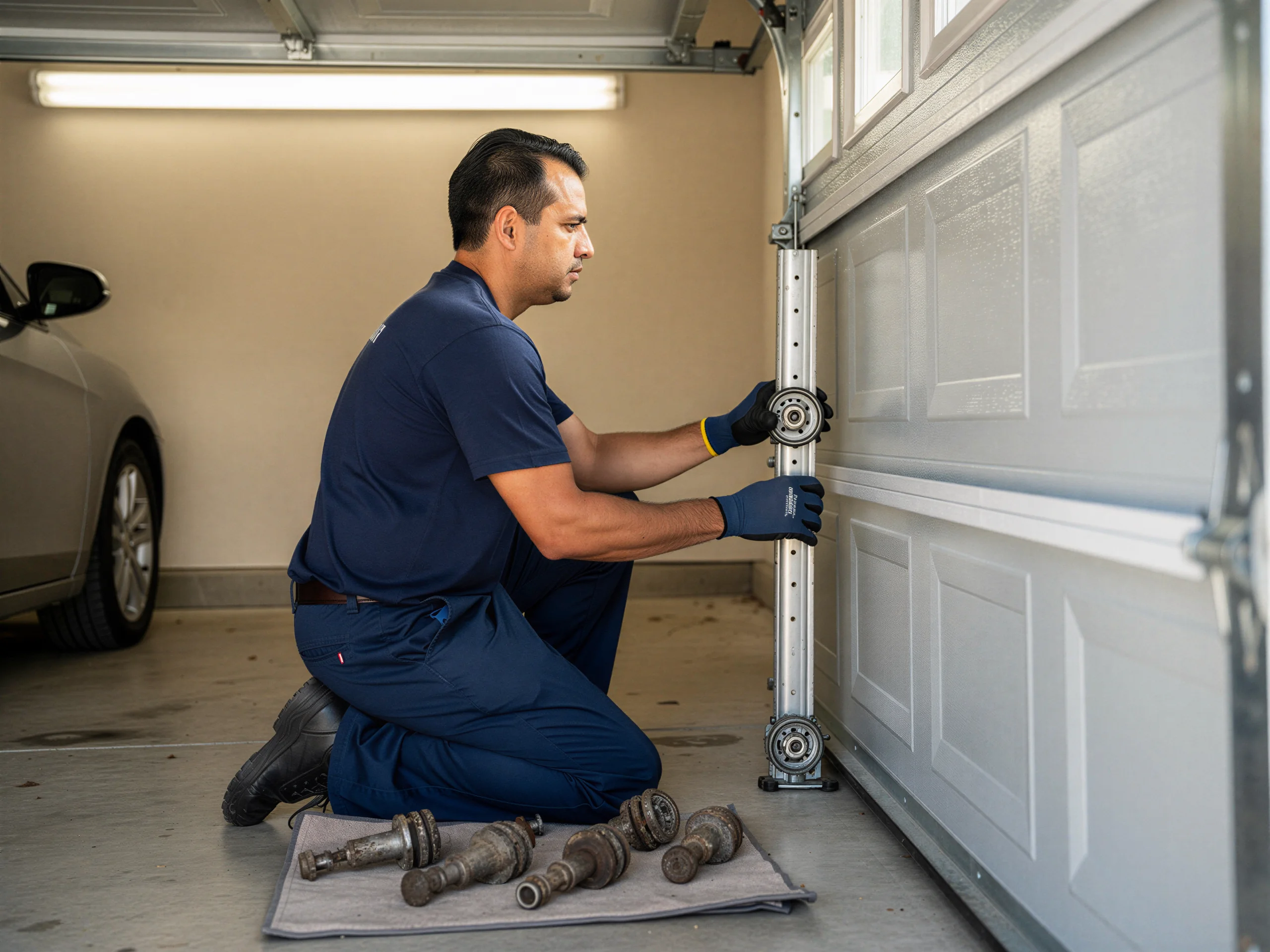
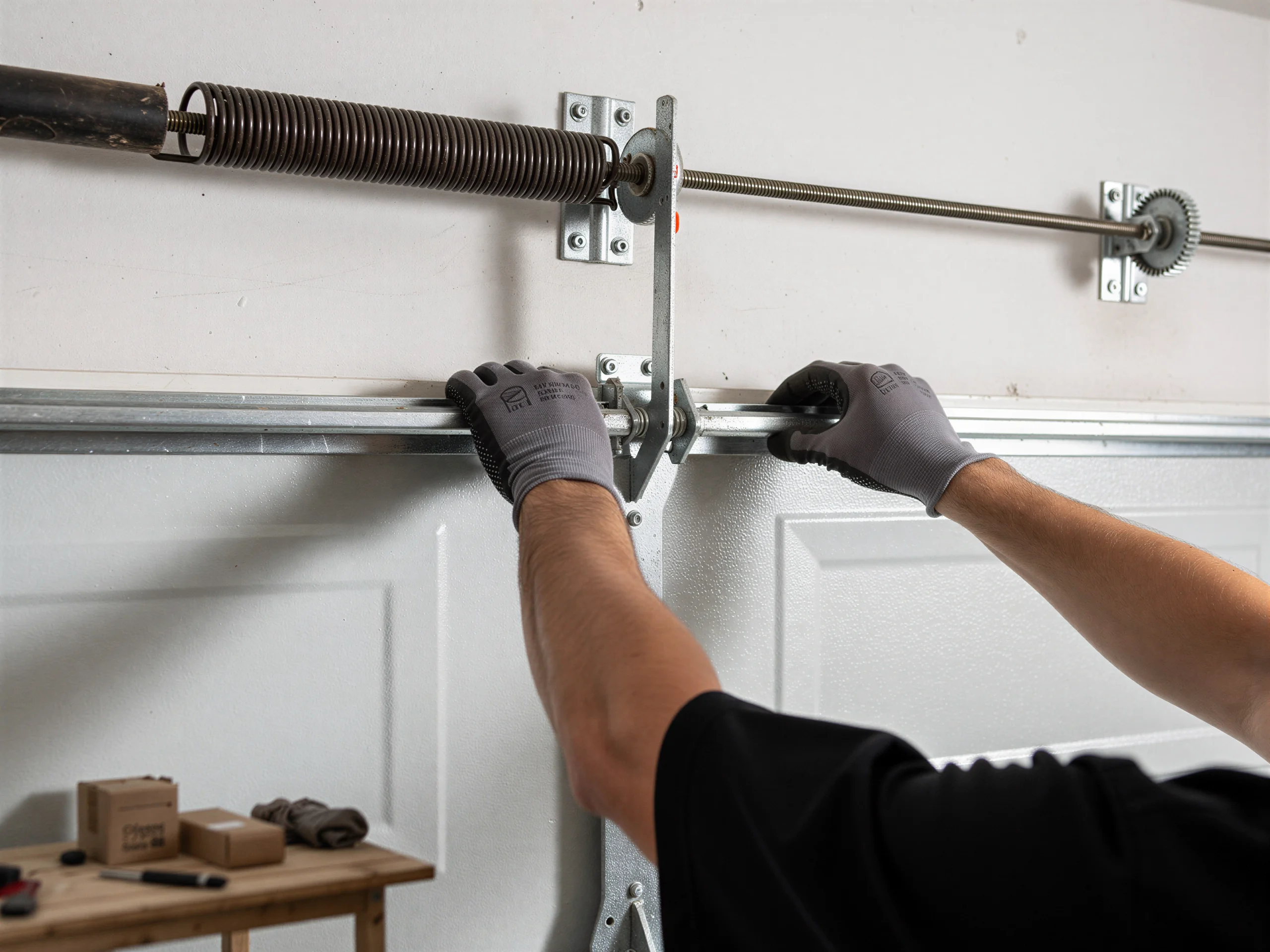
New Haven's housing stock is mostly 1960s-70s construction spread across more than 40 named neighborhoods and nearby towns, from Westville and East Rock close in to Hamden, North Haven, and Branford further out. Garage doors from that era were built to a different standard than what's sold now - thinner steel on some models, different reinforcement, and panels that were never designed to be replaced individually decades later.
Add New Haven's cold-severe climate band and you get the real driver: repeated freeze-thaw cycling works at the seams and corners of a panel every winter. Water gets into a hairline crack in the fall, freezes, expands, and by February the bottom panel has a split that wasn't there before Thanksgiving. On doors already near 50 years old, that stress finds the weakest panel first - usually the bottom one, because it takes the brunt of de-icing salt spray and curb impact too. This isn't a one-house problem. It's a pattern tied directly to when this region was built and what winter does to it every year.