
Blog
Before We Touch Your Door: The New Haven Checklist
In New Haven, where most houses date from 1954 to 1986 and winters run cold, a technician checks the spring, rollers, and track hardware wear out first.
How Local Conditions Play In
Most houses here went up between 1954 and 1986, with the median landing around 1972, so a lot of the original garage door hardware is older than the homeowner who called us. That matters because the torsion and extension spring setups from that era were built to different standards than what ships on a new door kit today, and parts don't always interchange the way a homeowner expects.
New Haven sits in a cold, severe climate band, and that means the steel in your spring and track sees real temperature swings every winter. Cold steel loses flex. A spring that was fine in August can bind or snap in January, and a track that was square in summer can rack half an inch once the slab underneath contracts.
From East Rock to Westville to the streets near West Rock, the housing stock runs the same era across the city's 41 named areas, so we see the same failure patterns whether the call comes from Downtown or from out toward Foxon. The door changes, the decade doesn't. That's the starting point for every check we run, before we ever touch a bolt.
What to Check
On a torsion spring installed during the 1960s or 70s, we check wind count and coil gap before anything else, because that era's springs were sized differently than what goes on a door today, and guessing the wrong replacement spring means a door that's either too heavy to lift by hand or one that slams on the way down.
After the spring, we check the track for rack and the rollers for flat spots or rust pitting, both of which show up faster here once the cold sets in and the lift cables start seeing more load than the spring was sized for. We check the opener's force settings too, since an opener fighting a stiff, cold spring will often burn out its gears trying to compensate rather than tell you the spring is the real problem.
We also check the bottom weatherstrip and the panel seams, not because they're glamorous, but because a cold climate turns a small gap into a real draft and, over a winter, into water sitting where the panel meets the slab. None of this is exotic work. It's the same four or five points in the same order, every time, because that order is what tells us which part failed first and which parts just failed because of it.
What Is Going On
Nine times out of ten the call starts with a door that won't open, or one that opens halfway and stops. On a house from the 1954-1986 stretch, that's almost always the spring losing tension, not the opener dying. Cold steel fatigues faster, and a spring near the end of its cycle life will often let go on the first hard freeze rather than the hundredth mild day.
The second most common thing we find is a cable that's frayed at the drum, usually on the side where the spring already looks tired. The two parts wear together because they share the load together, so when one of them is near the end, the other usually isn't far behind.
With a median household income of $113,750 across the service area, most owners here can afford a full spring and cable replacement rather than a patch job that fails again next winter, and that's usually what we recommend once we've found a spring from the original install still carrying the door. Patching an old spring to save a service call almost never saves money by spring.
When to Call Someone
Call before the door comes off the track entirely, not after. A door that's noisy, slow, or crooked on one side is still a controlled repair. A door that's jumped the track under tension is a different and more dangerous job, and it costs more to fix because something usually bends on the way down.
We don't recommend homeowners touch the torsion spring themselves. Under tension it can take a finger or worse, and that doesn't change no matter how old the door is or how simple the fix looks on a video. That's the one limitation we're upfront about: we'll walk you through what we're checking and why, but the spring itself is a call-us job, not a weekend job.
If your door is original to a house built in that 1954-1986 window and the opener, spring, and track have never been touched, it's worth a full check rather than a single-part swap. On a door that old, fixing one part often just moves the failure to whichever part is next in line.
Questions
Common questions
Why does my garage door act up more in the winter?
New Haven sits in a cold, severe climate band, and steel springs and tracks lose flex as the temperature drops. A spring that was carrying the door fine in warm weather can bind, overload the opener, or snap outright once a hard freeze hits. Cold doesn't cause the wear, but it's usually what exposes it.
My house was built in the 1960s. Does that matter for repairs?
It does. Most New Haven houses date from 1954 to 1986, and spring and track hardware from that stretch was sized to different standards than what's sold today. We check the original wind count and coil gap before ordering a replacement spring so the new one actually matches the door's weight and balance.
Is it ever not worth fixing the door?
Sometimes, if the spring, cables, rollers, and opener are all original and all near the end of their life at once, a full swap can cost less in the long run than chasing one part at a time. We'll tell you straight if that's where your door is instead of selling you a single repair that won't hold.
Recommendation
You Might Also Like
More garage door guides for New Haven homeowners.
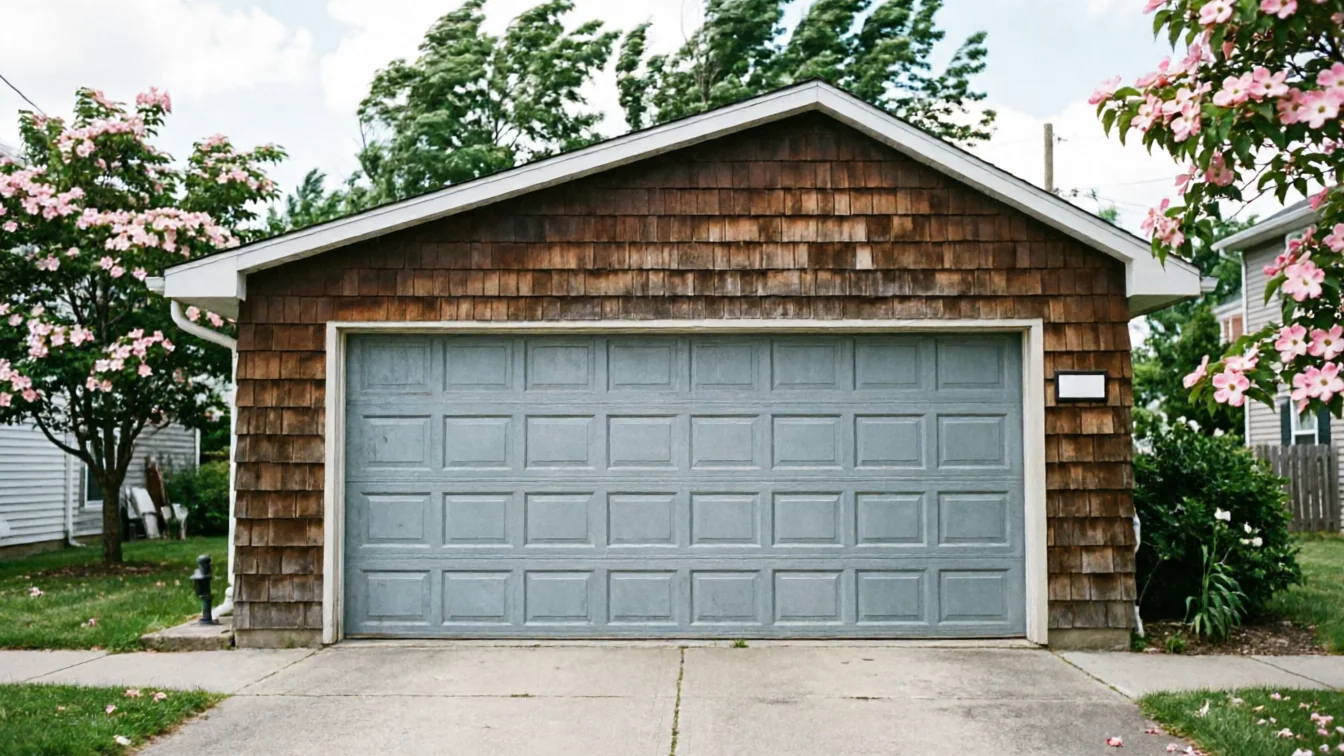
Why Pre-1972 New Haven Homes Give Garage Doors a Hard Time
Most New Haven garage doors date from 1954-1986, built before insulation codes.
Read guide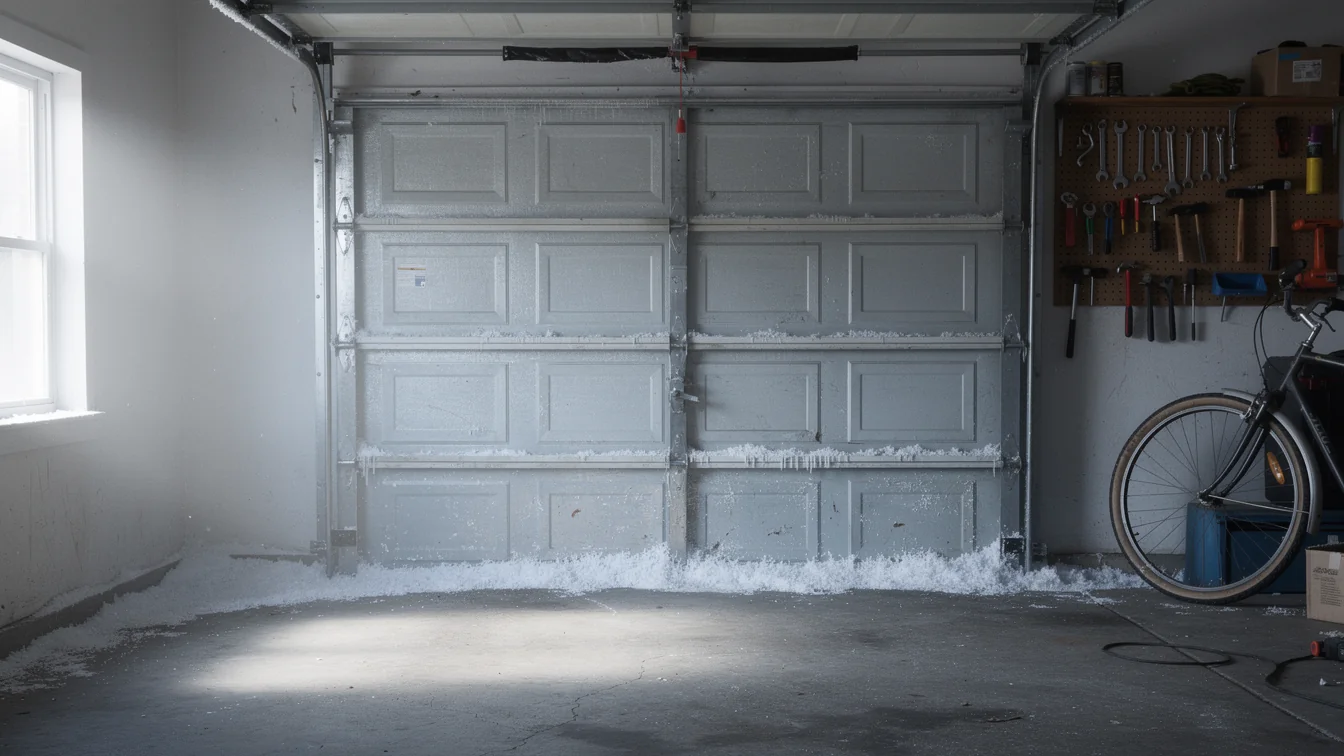
Why Your Garage Door Leaks Cold Air in New Haven
Most New Haven area houses date to 1954-1986, and that era's door seals weren't built for the cold band this region sits in.
Read guide
Is Your Old New Haven Garage Door Worth Repairing
Most New Haven garage doors date to the 1960s-70s building boom.
Read guideReady when you are
Need a garage door sorted in New Haven?
New Haven Garage Door Pros repairs and installs garage doors, springs and openers in New Haven, CT and the surrounding area.