
Blog
When a Spring Goes in Cold Weather
Why torsion springs snap on New Haven's 1960s-70s doors when temps drop, what to inspect first, and when a repair call beats a DIY fix.
How Local Conditions Play In
Most of the housing stock around New Haven went up between 1954 and 1986, with the median build year sitting at 1972. That means a lot of garages in East Rock, Westville, and The Hill still have their original torsion springs, or a first replacement set that's now decades old. Steel contracts in the cold, and a spring that's already fatigued from 40-plus years of cycles has less give left when the metal stiffens up. New Haven sits in a COLD severe climate band, so you get real temperature swings overnight, especially in January and February. A spring under daily tension that drops from 40 degrees to 15 overnight is working through a different load than it was built for in 1972. That's not a design flaw. It's just steel fatigue meeting cold, and it's why the failure calls cluster hard in the deep-winter months in a city with this much pre-1980 housing. Newer subdivisions with springs installed in the last ten years don't see the same clustering. The age of the hardware is doing most of the work here, not the brand or the door.
What to Check
Before you call anyone, look at the spring itself. On a torsion setup (the horizontal bar above the door), check for a visible gap in the coil, that's a break, not a loose cable. If the door won't budge, or it opens a few inches and stops, that's consistent with a snapped spring, not a dead opener. Check the cables on either side of the door, a broken spring often takes slack out of a cable too, and a cable that's jumped its drum is a separate hazard. On original 1960s and 70s doors in this area, extension springs (the long ones running along the horizontal tracks) are also common, and those fail differently, usually with a loud bang rather than a slow give. Don't try to lift a door manually once a spring is gone. A standard double door with a broken spring can weigh well over 100 pounds unassisted, and the cold makes the steel more brittle, not more forgiving, if a cable lets go under load.
What Is Going On
A torsion spring is rated for a cycle count, somewhere around 10,000 open-close cycles for a standard builder-grade spring. A door installed when a house was built in 1965 or 1972 has likely put tens of thousands of cycles through that spring by now even at normal household use. Add a cold snap and the steel loses a bit of flexibility right when the tension is highest, first thing in the morning before the garage has warmed at all. That's the common pattern: a fine door at 9pm, a dead one at 6am. It's not that cold weather breaks springs that wouldn't otherwise fail, it's that cold weather is often the final push on a spring that was already near the end of its life from age and cycle count. One thing worth saying plainly: we don't recommend patching an old extension spring system if it's original to a pre-1980 house. At that point the whole assembly, including the safety cables, is due anyway.
When to Call Someone
Call before you touch the spring yourself. Torsion springs are wound under high tension and releasing one with the wrong tools is a genuine injury risk, this isn't a job for a wrench and a ladder. If the door is stuck shut and you need the car out, that's a same-day call, not a wait-and-see. If the door still moves but sounds different, a grinding noise, a visible stretch in the coil, that's worth a look before it fails completely and strands the car inside. One limitation worth being upfront about: if your spring is a less common size or an older extension-style kit, the exact match may not be something we carry on the truck, and that can mean a short parts wait rather than a same-visit fix. We'll tell you straight if that's the case rather than installing a mismatched spring that'll just fail again.
Questions
Common questions
Why do garage door springs break more in winter in New Haven?
Cold makes steel less flexible right when the spring is under its highest daily tension, typically the first open of the morning. Combined with how old a lot of New Haven's torsion springs are, given the 1954-1986 housing stock, winter mornings are when a spring that's already worn finally gives out.
Can I replace a torsion spring myself?
We don't recommend it. A torsion spring is wound under enough tension to cause serious injury if released without the right bars and technique. It's one of the few garage door jobs where the margin for error is genuinely small.
My door opened fine last night and won't move this morning. Is that the spring?
That pattern, fine one evening, dead the next cold morning, is a common sign of a torsion spring failing overnight. Check for a visible gap in the coil above the door before assuming it's the opener.
Is it worth replacing just one spring on a double door?
On a double door, most setups run two springs, and if one has failed from age the other is usually close behind it. Replacing both at once is often the more sensible call, especially on hardware original to a 1960s or 70s build.
Recommendation
You Might Also Like
More garage door guides for New Haven homeowners.
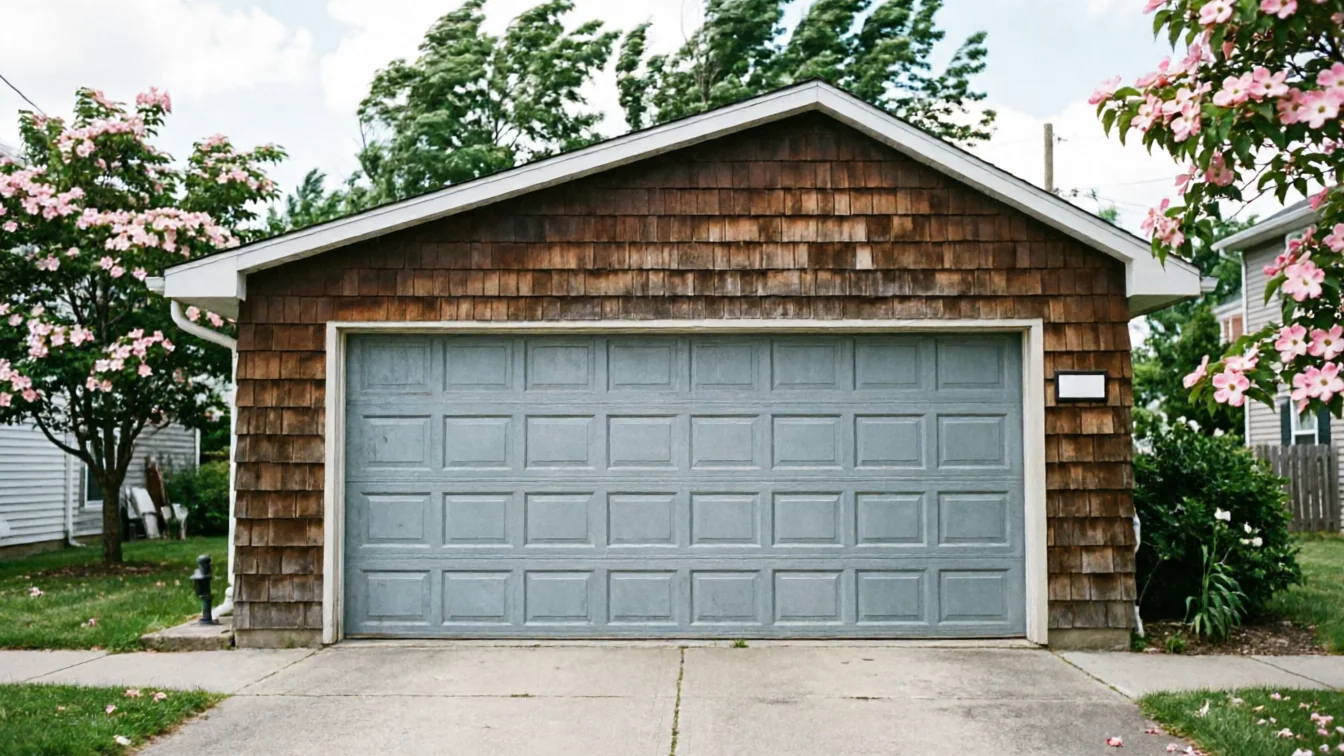
Why Pre-1972 New Haven Homes Give Garage Doors a Hard Time
Most New Haven garage doors date from 1954-1986, built before insulation codes.
Read guide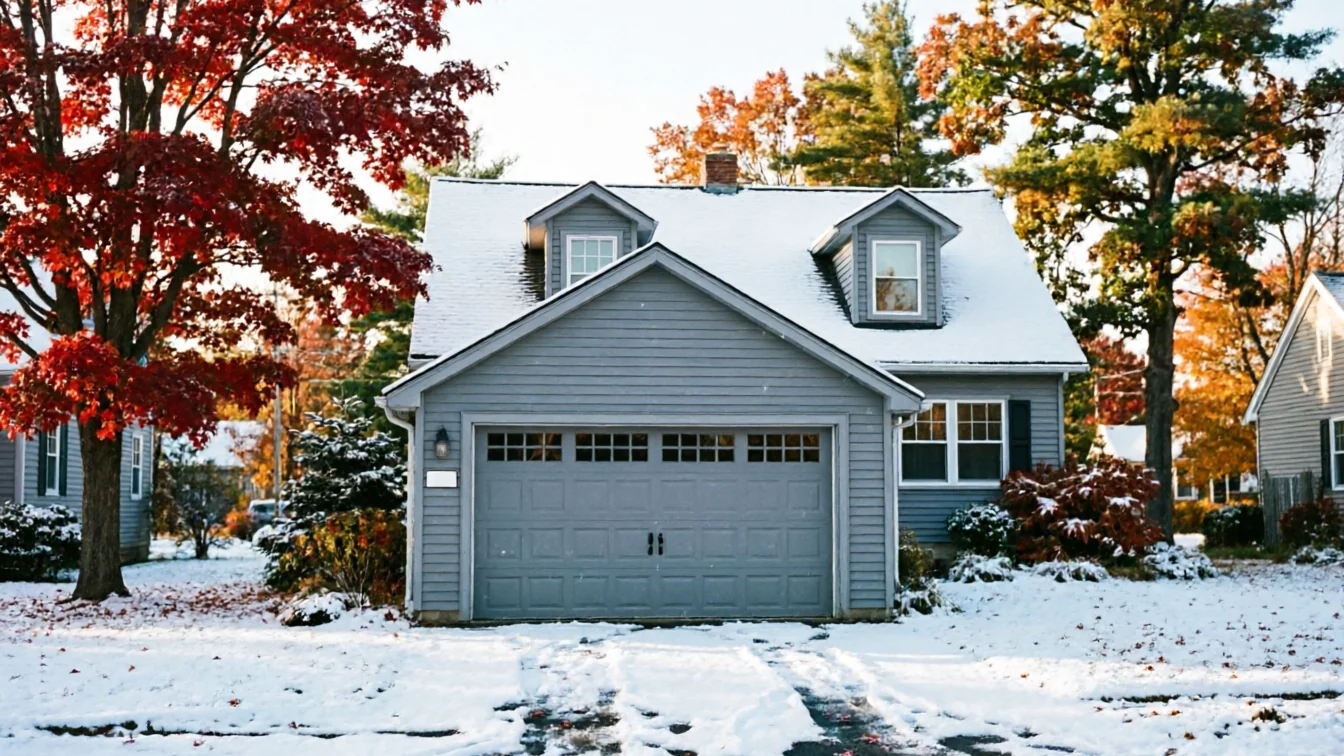
What Winter Power Outages Do to Your New Haven Garage Door Opener
Power cuts hit garage door openers hard in New Haven's older housing stock and cold winters.
Read guide
Why Your Garage Door Sensors Keep Drifting Out of Alignment
Why safety sensors misalign in New Haven's older garages, what to check first, and when a cold-climate fix needs a pro.
Read guideReady when you are
Need a garage door sorted in New Haven?
New Haven Garage Door Pros repairs and installs garage doors, springs and openers in New Haven, CT and the surrounding area.