Roller job pricing
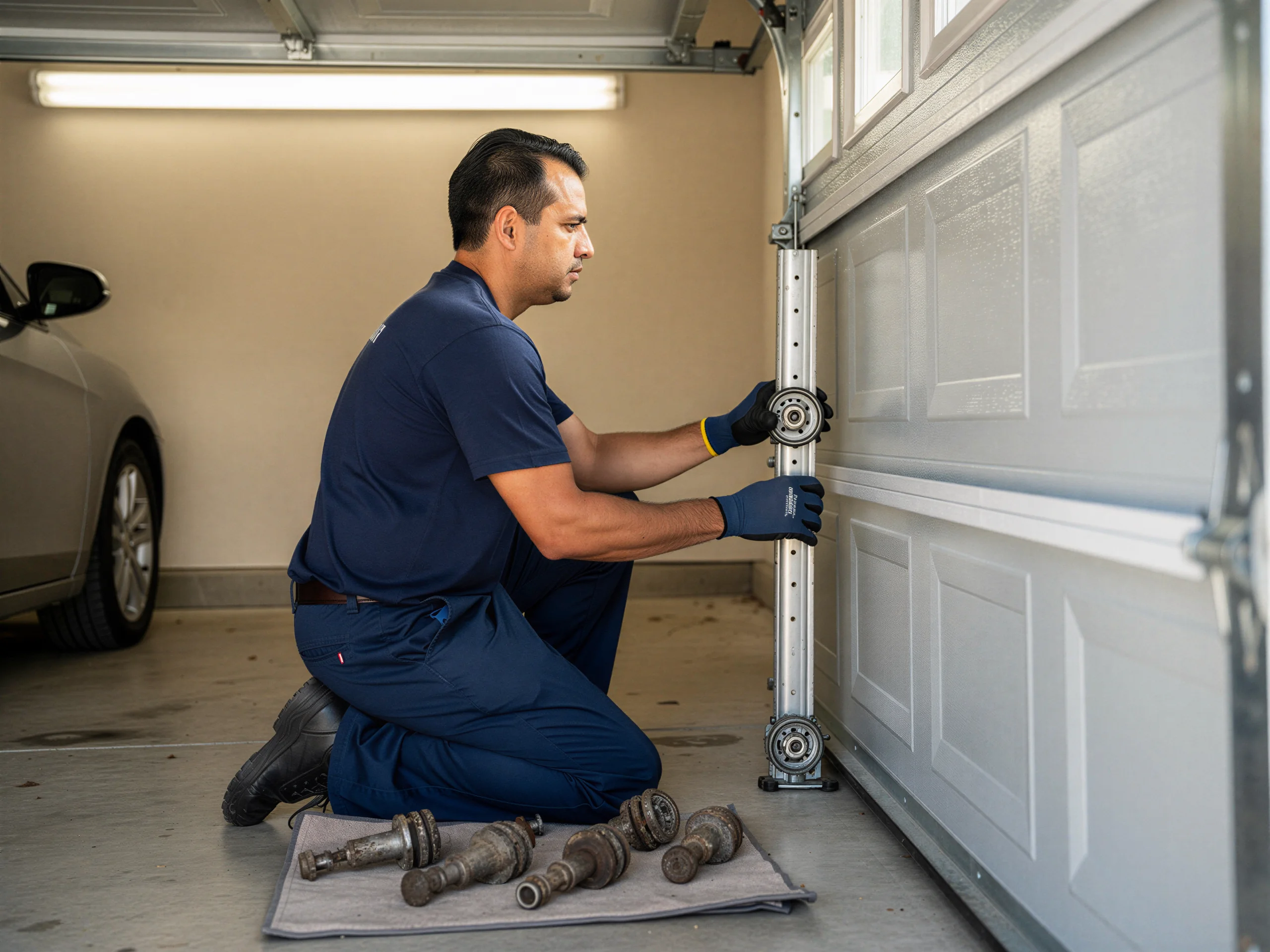
A worn roller job on a 1970s-built house in Westville is a different call than a full torsion spring replacement on an East Rock colonial with original hardware.
New Haven, CT
Garage door repair and tune-ups for New Haven's 1954-1986 housing stock, built for the cold-climate wear that hits torsion springs and tracks hardest.
Pricing
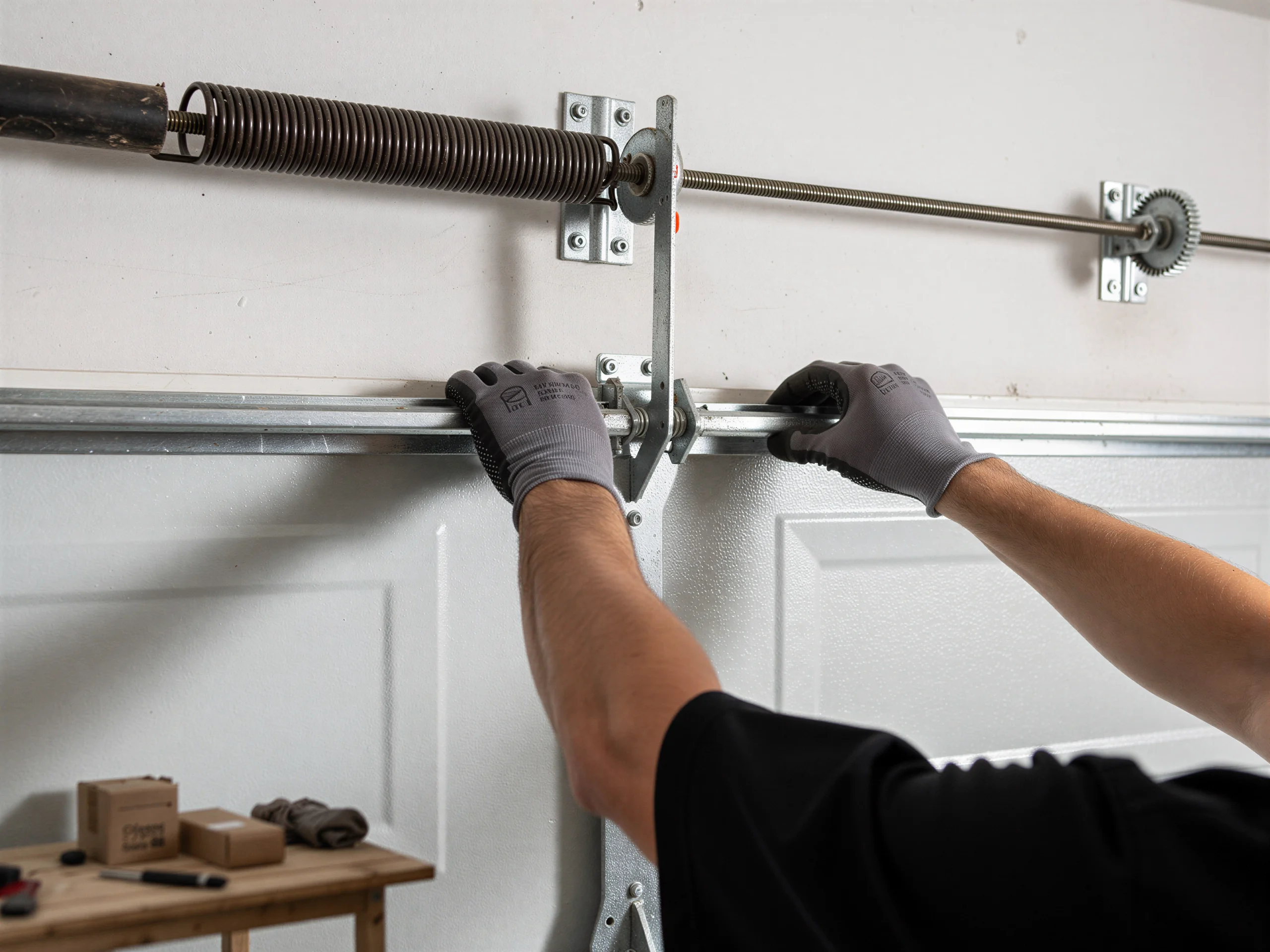
We don't post a flat number here because what a door needs depends on what's actually wrong with it, and we won't quote blind over the phone.
A worn roller job on a 1970s-built house in Westville is a different call than a full torsion spring replacement on an East Rock colonial with original hardware.
What we can tell you: most of New Haven's housing went up between 1954 and 1986, median build year 1972, and that generation of door and opener hardware is now at or past the end of its service life across the board. That means spring fatigue, track wear, and opener burnout are showing up as routine calls, not rare ones.
We look at the door, tell you what's failing and why, and give you a number before any work starts. If a repair is going to cost more than half of what a new door runs, we say so instead of nursing it along for another service call.
Local causes
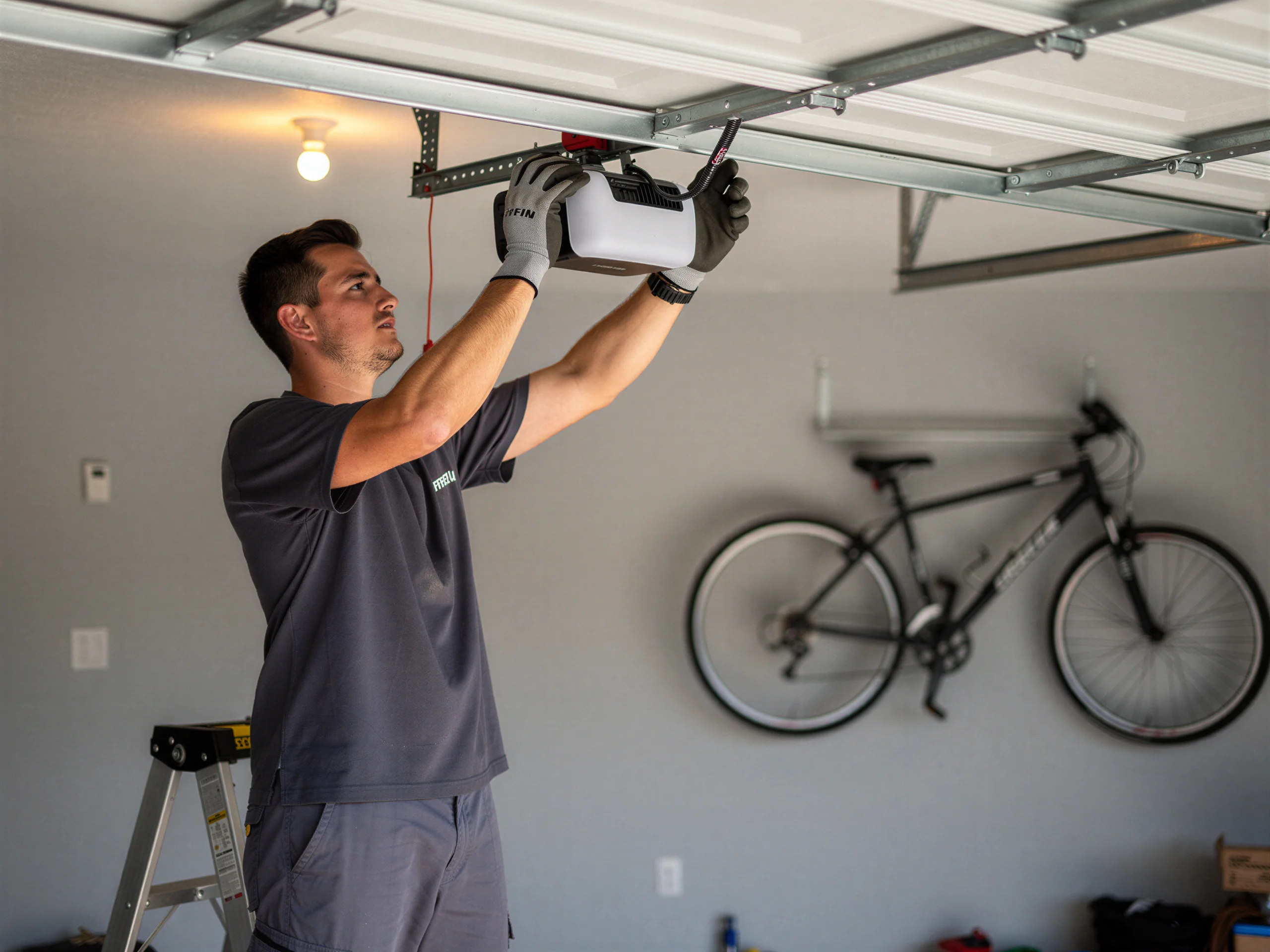
New Haven sits in a cold, severe climate band, and that matters more to a garage door than most homeowners expect. Torsion springs lose temper faster with repeated freeze-thaw cycling, and steel track bolted up in the 1960s and 70s wasn't speced for the number of expansion-contraction cycles it's now seen fifty-plus winters in. Houses built in that 1954-1986 window, which covers most of the 41 areas we work across, from Westville and East Rock down through Fair Haven-adjacent streets to the edges near West Haven and East Haven, mostly carry original or first-replacement hardware. That's lifted-strand cable, single-ply torsion springs, and steel rollers with no sealed bearing. Cold makes steel brittle and grease stiff, so the weakest link snaps on the coldest mornings, not the mild ones. Owner-occupied houses in this age bracket, and there are a lot of them across our service area, tend to have openers original to a later retrofit, not the house itself, which adds a second failure point: the drive gear and the circuit board age differently than the door they're lifting.
Warning signs
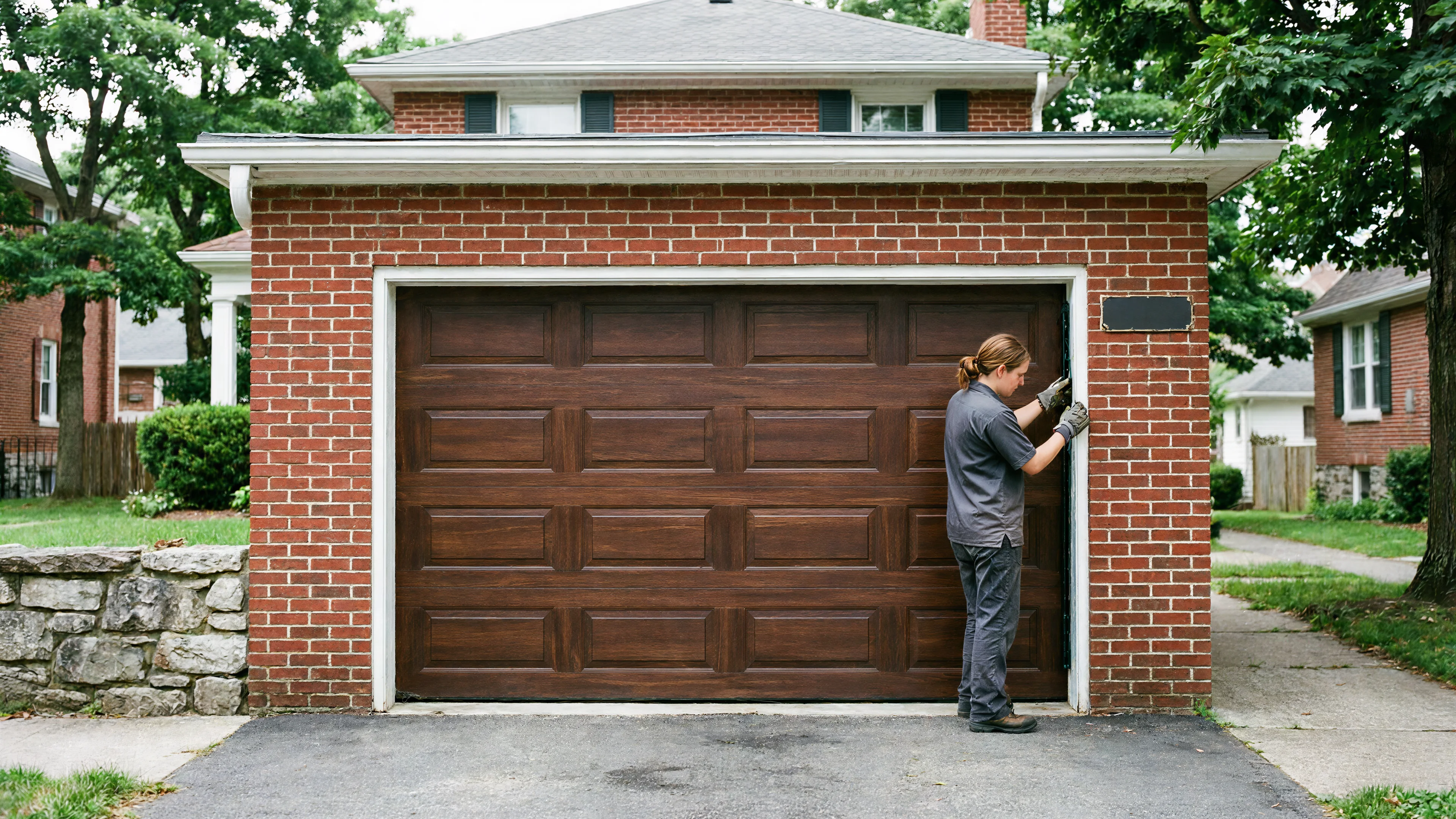
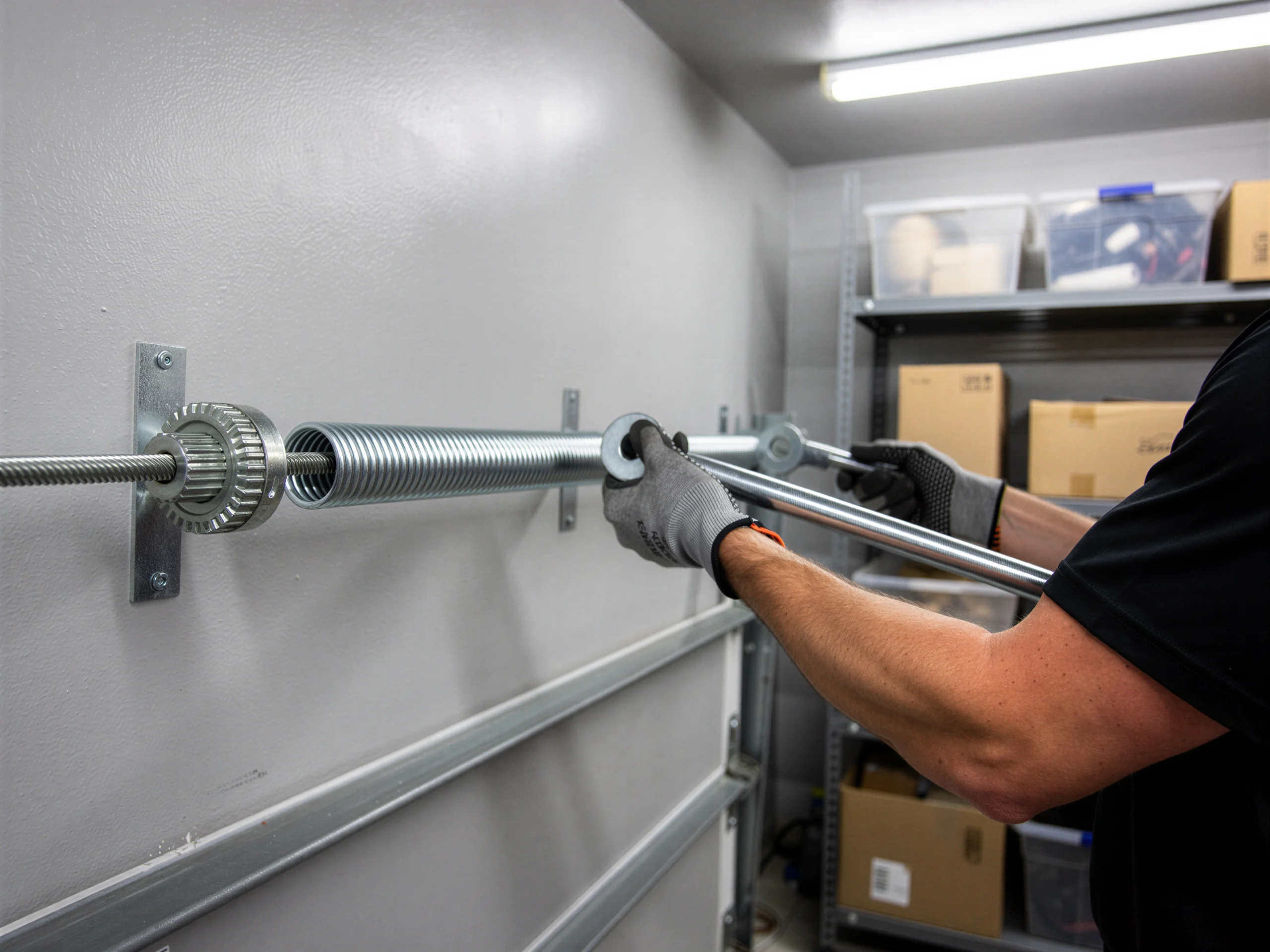
On houses from this build era the door usually gives a warning before it fails outright. A torsion spring on its way out makes the door feel heavier to lift by hand, or the opener starts straining and reversing partway up.
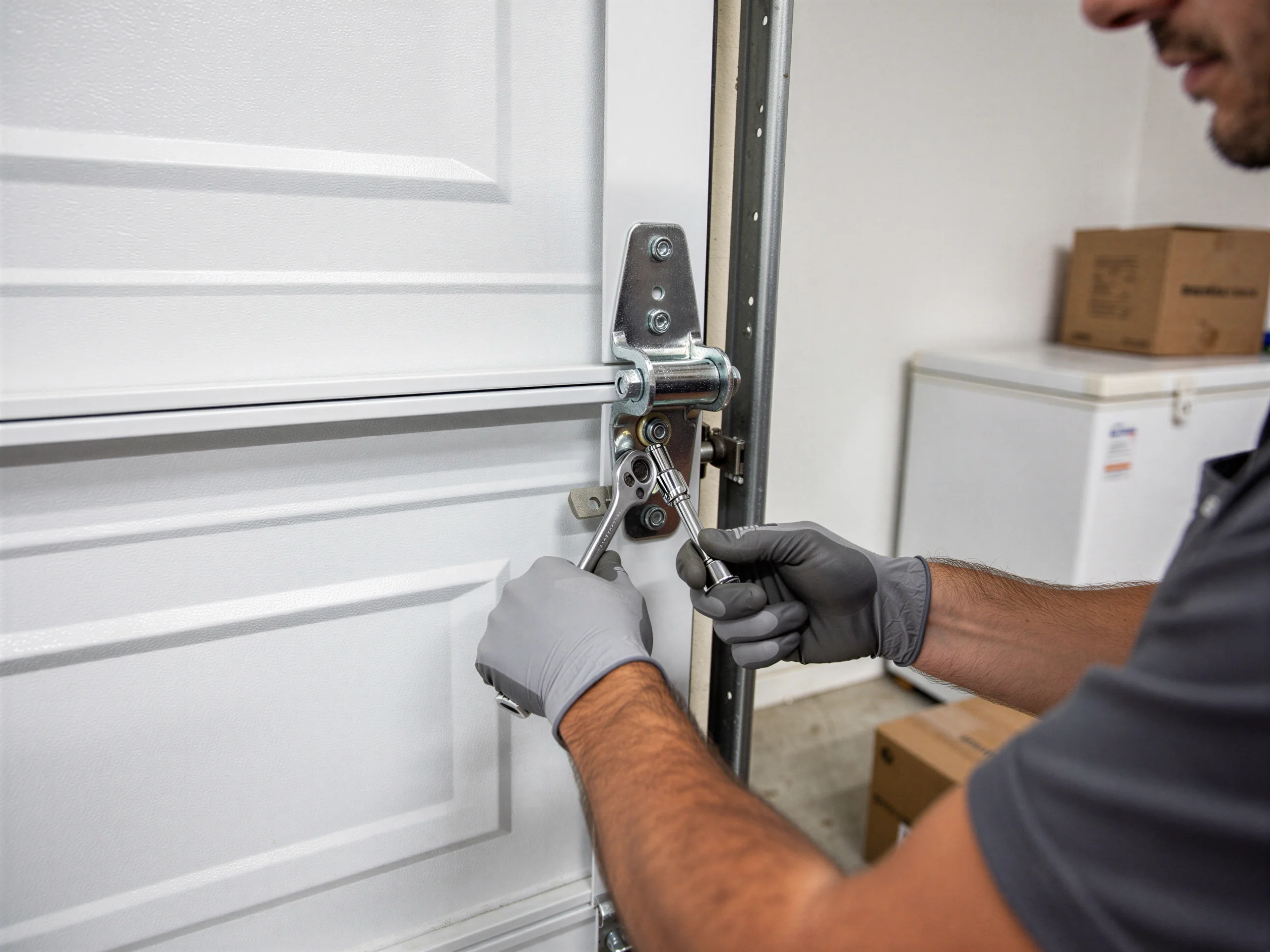
Track misalignment shows up as a door that binds or rattles on one side, more common on the single-car layouts typical of the smaller 1960s ranch and cape stock than on the wider two-car openings in newer construction.
Cold snaps are when the slack gets found: a cable that's been fraying quietly lets go on a fifteen-degree morning, or a cracked panel seam from decades of expansion and contraction finally splits.
If your opener runs but the door doesn't move, or moves and then reverses, that's almost always a spring or cable problem, not the opener itself, and running it that way risks the opener motor next.
Timing
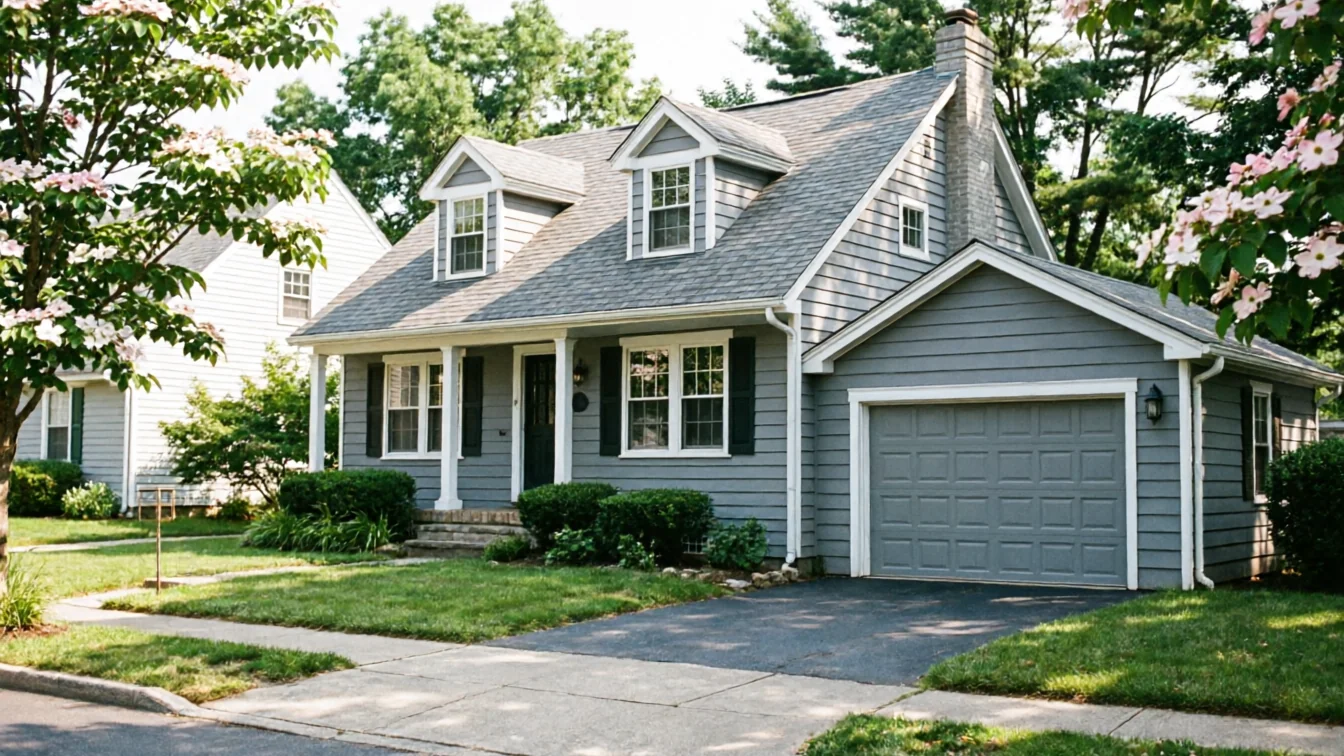
A straight spring or cable replacement on a door from this era is usually a same-visit job once we're on site, because the hardware sizes are well known across New Haven's housing stock. What stretches the timeline is a door where the track or panel has distorted enough that standard parts don't fit clean, which we see more on older original installations than on anything replaced in the last couple decades. We won't force a mismatched part onto a door just to close the ticket faster. If something needs a special order, we tell you that up front instead of leaving you with a door that's half-fixed.
Questions
New Haven sits in a cold, severe climate zone, and steel torsion springs lose temper faster under repeated freeze-thaw cycling. A spring that's been weakening all year typically lets go on one of the coldest mornings of the season, not a mild one, because cold steel is more brittle.
If your house was built in New Haven's common 1954-1986 window, there's a good chance the track, rollers, or spring system are original or a single generation removed. That hardware is now at or past its expected service life, which is why failures are showing up as routine calls rather than rare events.
No. What a door needs varies too much between a simple roller swap and a full spring and cable job for us to quote blind. We look at the door in person, explain what's failing, and give you a number before any work starts.
Explore more
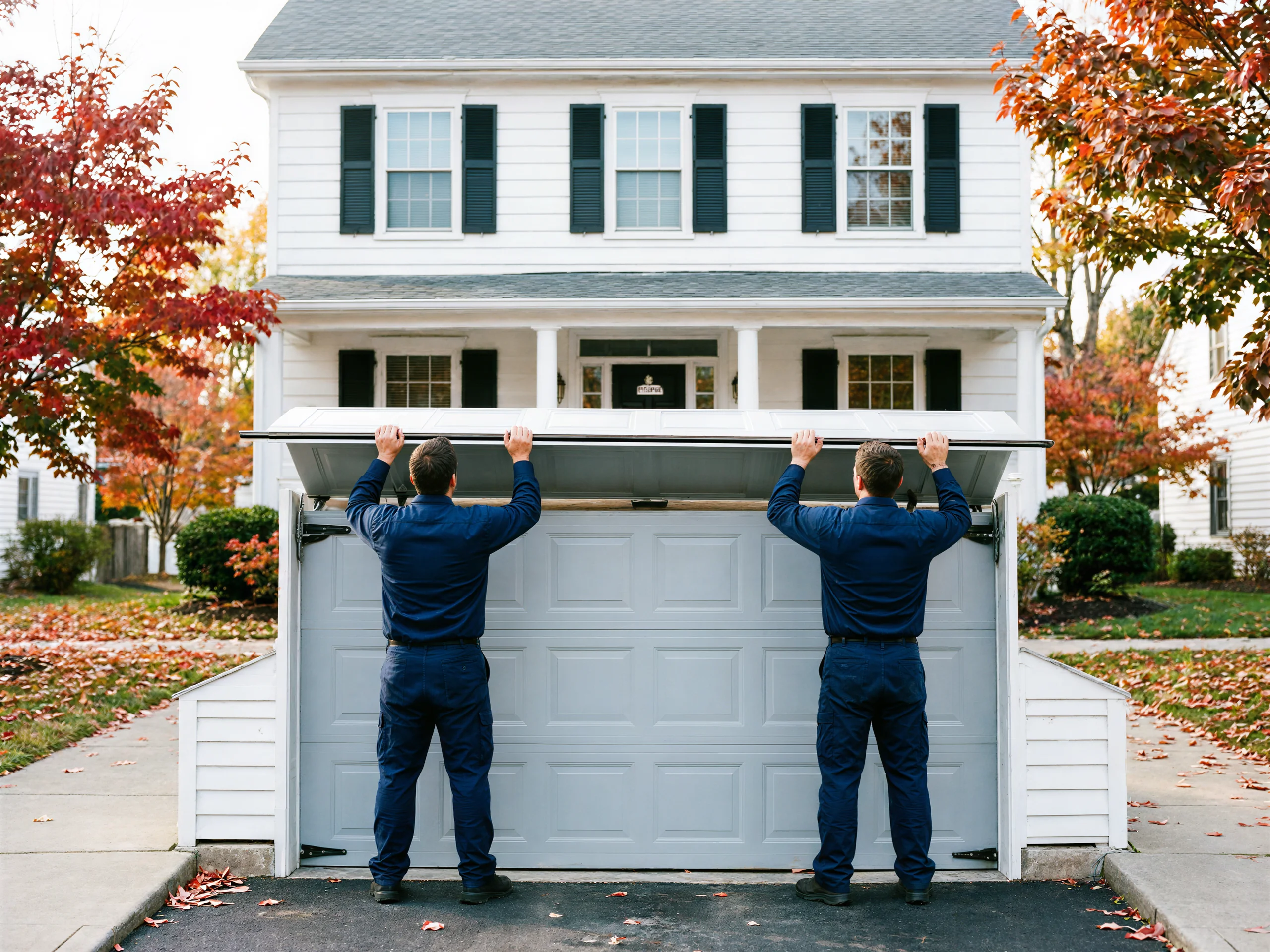
Ready when you are
New Haven Garage Door Pros repairs and installs garage doors, springs and openers in New Haven, CT and the surrounding area.