
Blog
Why Your Garage Door Leaks Cold Air in New Haven
Most New Haven area houses date to 1954-1986, and that era's door seals weren't built for the cold band this region sits in. Here's what to check before winter.
How Local Conditions Play In
Across the service area - from Downtown out through Westville, East Rock, and the thirty-odd named neighborhoods and nearby towns like West Haven, Hamden, and North Haven - the housing stock is remarkably consistent: most of it went up between 1954 and 1986, with the median build year sitting around 1972. That matters for garage doors because the bottom seals, side weatherstripping, and threshold gaskets installed on a house from that era were rated for a much milder design standard than what the region actually sees now. This area sits in a severe cold climate band, which means repeated freeze-thaw cycles each winter. Rubber seals from a 1970s-era door, or even a replacement seal installed a decade ago, harden and crack faster here than in a moderate climate. The result isn't just a cold garage - it's water getting in during thaw, freezing again overnight, and working the seal loose from the track. Houses closer to the shore side of the service area, like East Shore or The Annex, deal with wind-driven moisture on top of the cold, which accelerates the same wear pattern. None of this is dramatic, but it's steady, and it's specific to how old the doors in this area tend to be and what winter actually does to them here.
What to Check
Start at the bottom seal - the rubber strip along the floor of the door. On a house built in the 1960s or 70s that hasn't had the seal replaced, it's likely stiff, cracked, or flattened on one side. Press a finger into it; if it doesn't spring back, it's done. Next, check the side and top weatherstripping where the door meets the frame. Gaps you can see daylight through, or feel a draught against your hand, mean the seal has pulled away or shrunk - common on original tracks from this era that were never designed for a modern vinyl or rubber retrofit strip. Check the bottom corners of the door panel itself, since older steel and wood doors in this area often show rust or rot right where the seal meets the panel, a spot that holds moisture through freeze-thaw cycles all winter. Last, run a hand along the threshold if the garage floor has one. A gap under the door big enough to see light is a seal problem; a gap that's only on one side usually means the door itself has settled or the track has shifted, which is a different repair.
What Is Going On
When a seal fails on a house from the 1954-1986 era, it's rarely the seal alone. The original hardware on doors from this period - the track brackets, the astragal channel, sometimes the whole jamb - was built to a tolerance that worked fine for forty years but doesn't flex well with a modern retrofit seal bead. Push a new seal into an old channel and it can look fine in October and pull loose by January once the cold tightens everything down. That's the pattern we see most in this area: a homeowner replaces the bottom seal, it holds for one season, and the draught comes back. The cause usually isn't a bad seal, it's a channel or track that's worn or slightly out of true from decades of use, especially on the original one-piece or early sectional doors still found in a lot of the older neighborhoods here. Cold makes the gap worse because the metal contracts, widening whatever space already existed. Houses with vinyl or newer sectional doors from a later retrofit tend to hold seals better, simply because the channel geometry matches the seal profile.
When to Call Someone
If you've replaced the bottom seal once already and the draught came back within a year, that's worth a call - it's very likely the track or channel, not the seal, and no amount of re-caulking fixes that. Same goes for any rust or soft wood at the bottom corners of the panel; a seal won't hold against a crumbling edge. One honest limit here: if the door and frame are both original to a house from the 1950s or 60s, sometimes the repair cost of reworking the channel to fit modern weatherstripping gets close to the cost of just replacing the bottom section or the whole door, and we'll tell you that straight rather than sell you a seal that won't last the winter. A simple cracked seal on a newer door, though, is usually a short job - no need to wait until it's actively letting in water.
Questions
Common questions
Why does my garage door seal keep failing every winter?
On houses from the 1954-1986 era common across this area, the original track or channel often doesn't hold a modern seal well. Cold tightens the metal and widens any gap, so a seal that looked fine in fall pulls loose by January. Replacing the seal alone sometimes only buys one season if the channel itself is worn.
Is it worth replacing just the bottom seal or the whole door?
Depends on the door's age and condition. If the panel and track are original to an older New Haven-area house and already showing rust or rot at the corners, reworking the channel to fit a new seal can cost close to replacing the door section outright. A newer door with one cracked seal is usually a quick, worthwhile fix on its own.
Does the cold climate here actually make a difference?
Yes. This area sits in a severe cold climate band with real freeze-thaw cycling each winter. Rubber and vinyl seals harden and crack faster under that cycling than they would in a milder climate, which is why seals here wear out on a shorter timeline than the manufacturer's rated life.
Recommendation
You Might Also Like
More garage door guides for New Haven homeowners.
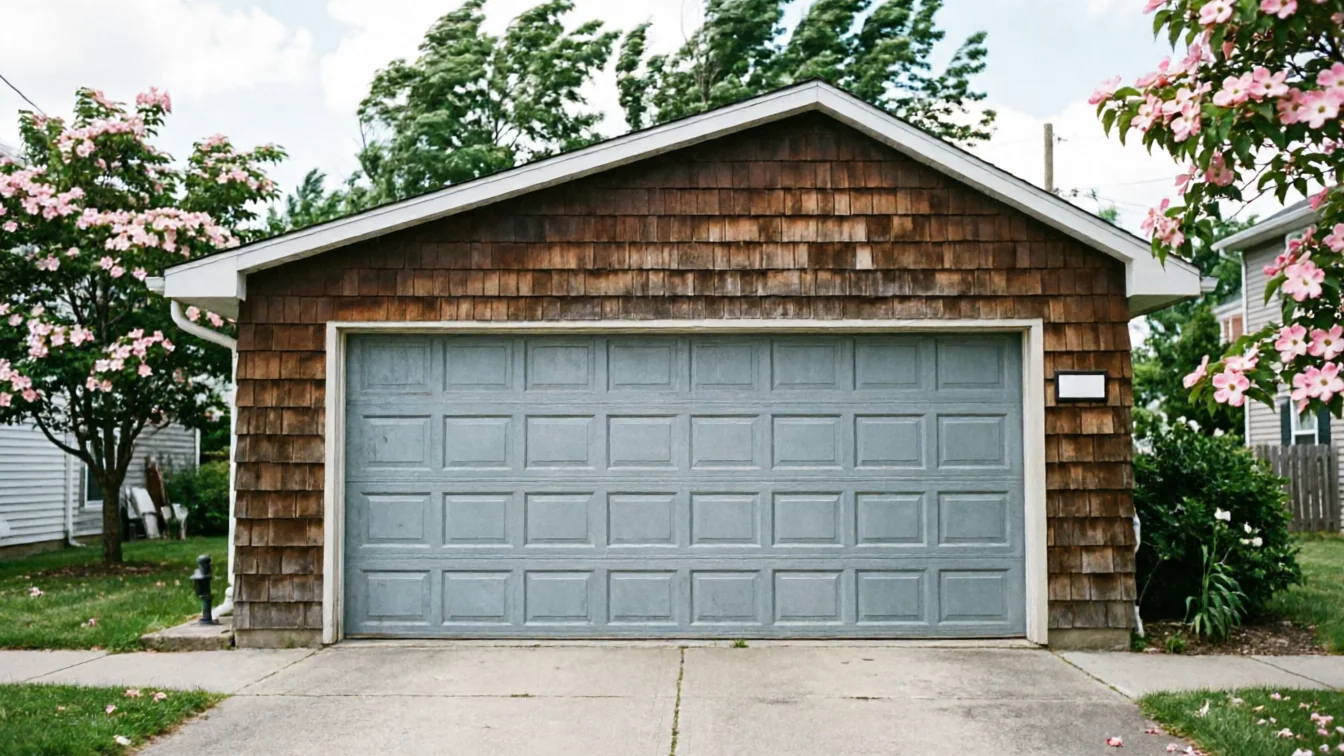
Why Pre-1972 New Haven Homes Give Garage Doors a Hard Time
Most New Haven garage doors date from 1954-1986, built before insulation codes.
Read guide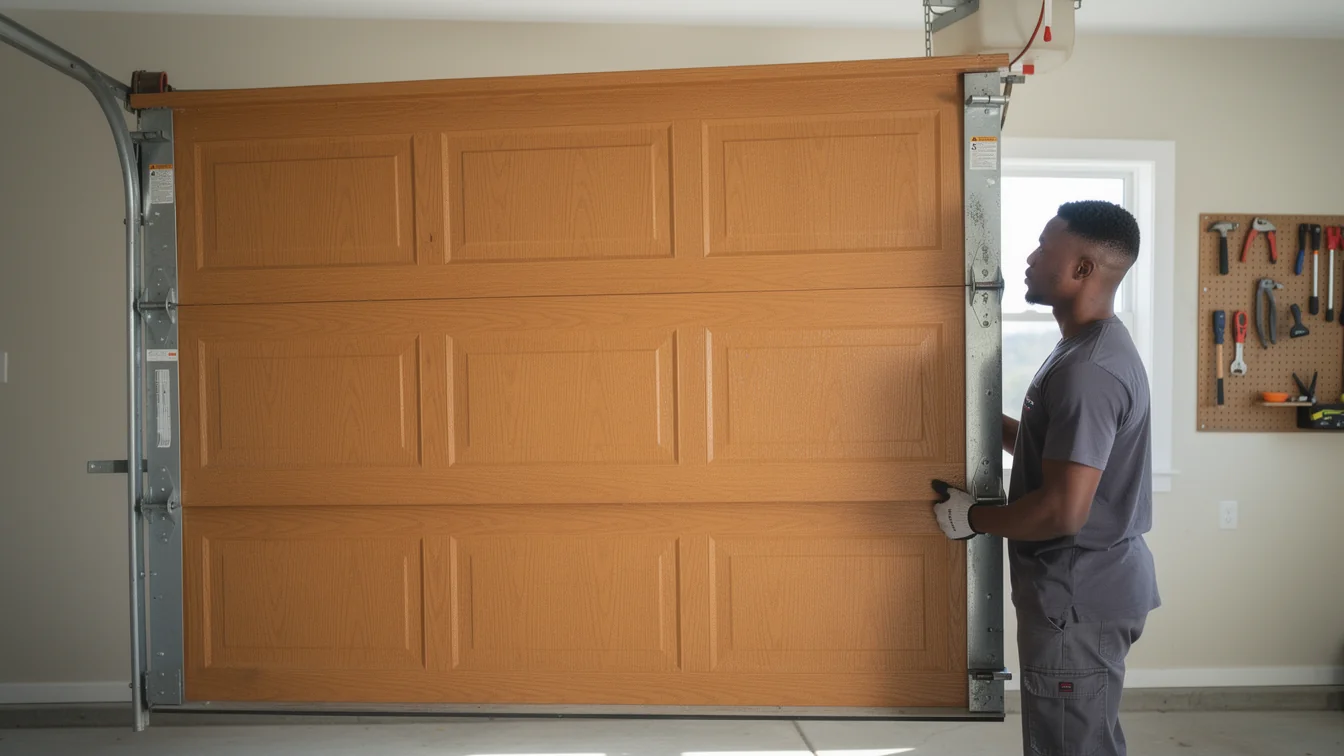
Before We Touch Your Door: The New Haven Checklist
In New Haven, where most houses date from 1954 to 1986 and winters run cold, a technician checks the spring, rollers, and track hardware wear out first.
Read guide
What Replacing a Garage Door Looks Like in New Haven
Most New Haven homes were built 1954-1986.
Read guideReady when you are
Need a garage door sorted in New Haven?
New Haven Garage Door Pros repairs and installs garage doors, springs and openers in New Haven, CT and the surrounding area.