
Flat-spotted roller hesitation
Some owners notice the door hesitating or catching at that same spot before it smooths out again, which is a roller that's flat-spotted or cracked and about to go.
New Haven, CT
Worn rollers on New Haven's 1960s-70s tracks bind and jump in cold weather. See what causes it, how it shows up, and what the job involves.
Pricing
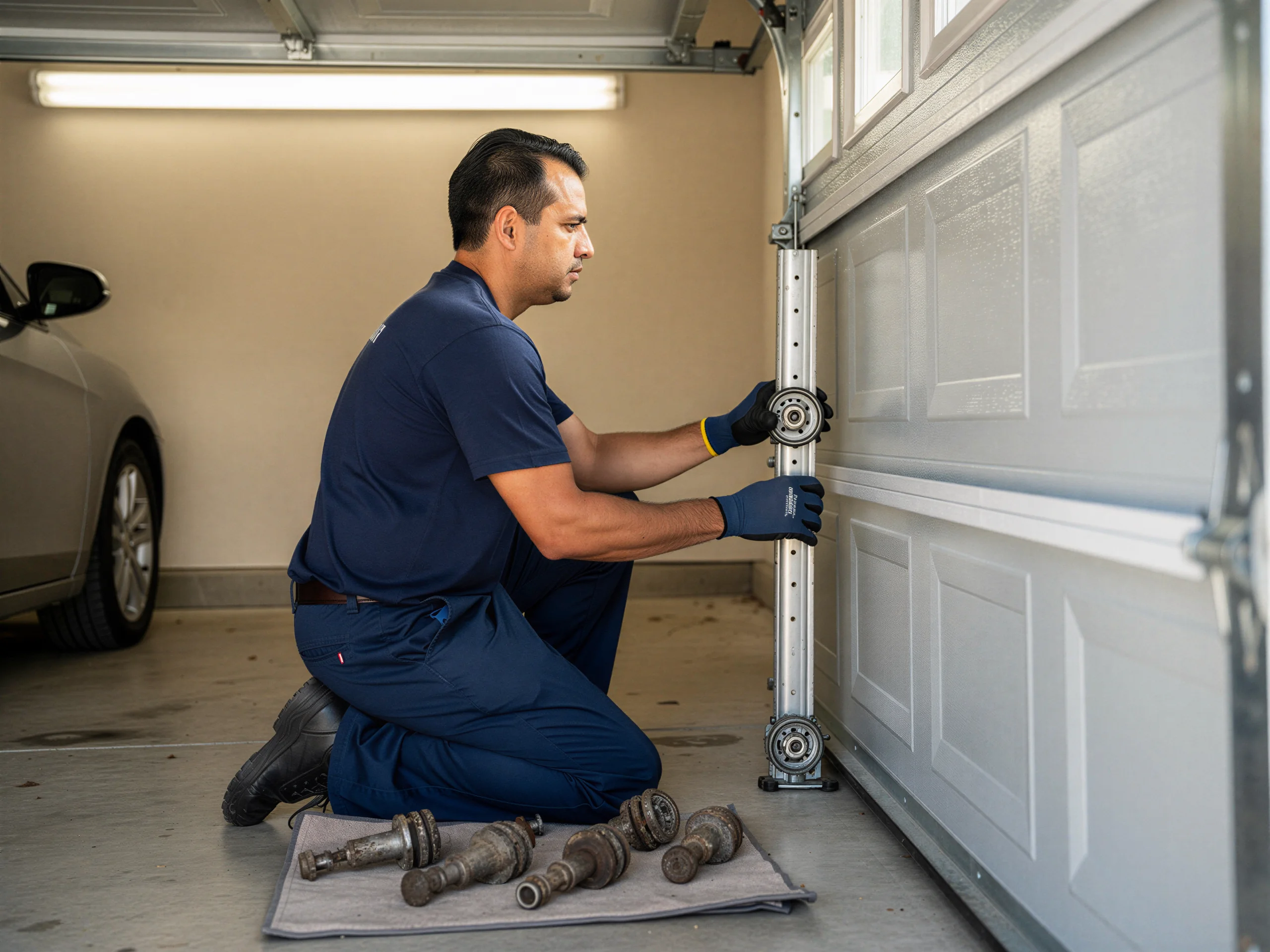
We're not going to put a number here that doesn't hold up. Roller replacement pricing depends on whether you're running steel or nylon rollers, how many need swapping, and whether the track itself has been bent by a roller that's already failed - something we see often enough on the housing stock in this area that it's worth checking before you commit to a quote over the phone. What we can tell you is that a full set of rollers is a smaller job than a spring or opener repair, and it's usually done in one visit. If you want an exact number, that's a call, not a guess on a page. Ask for it broken out by roller type so you know what you're paying for - steel rollers with sealed bearings cost more up front but last longer on a door that gets used daily, which is most doors in a metro area this size.
Local causes
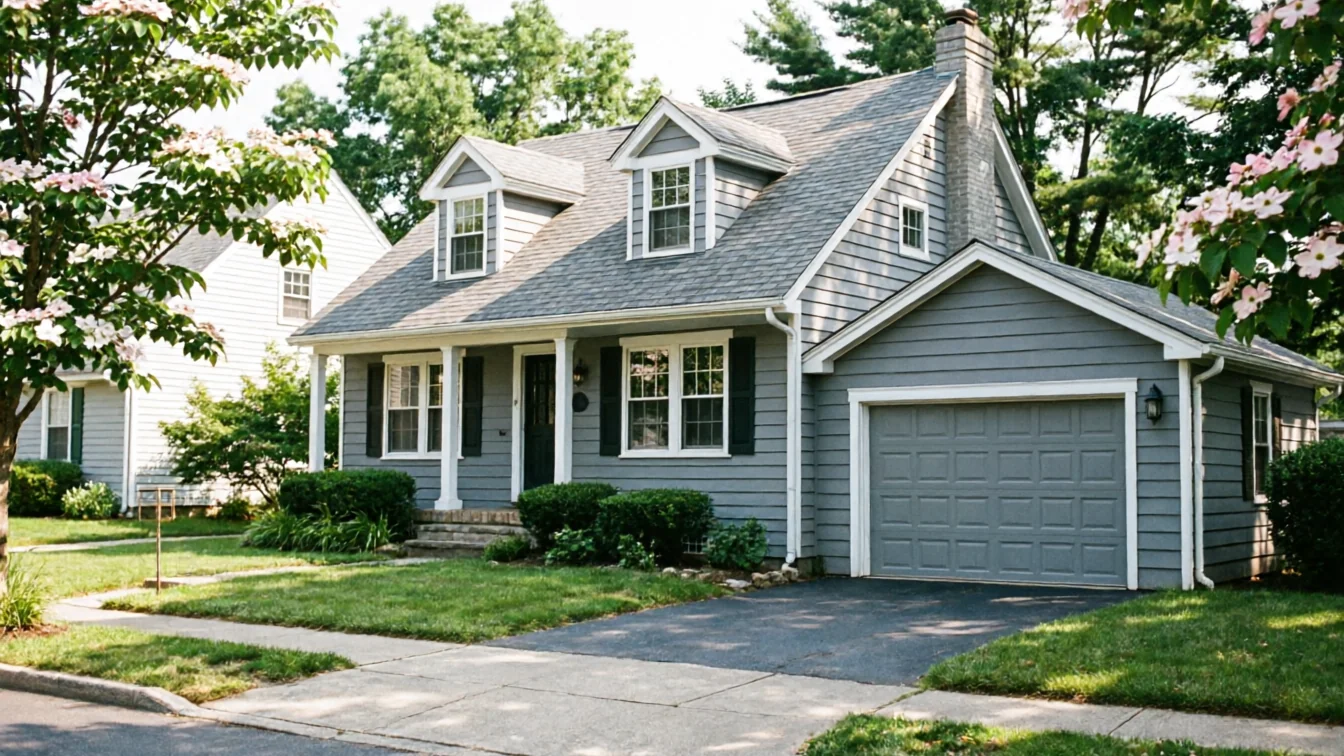
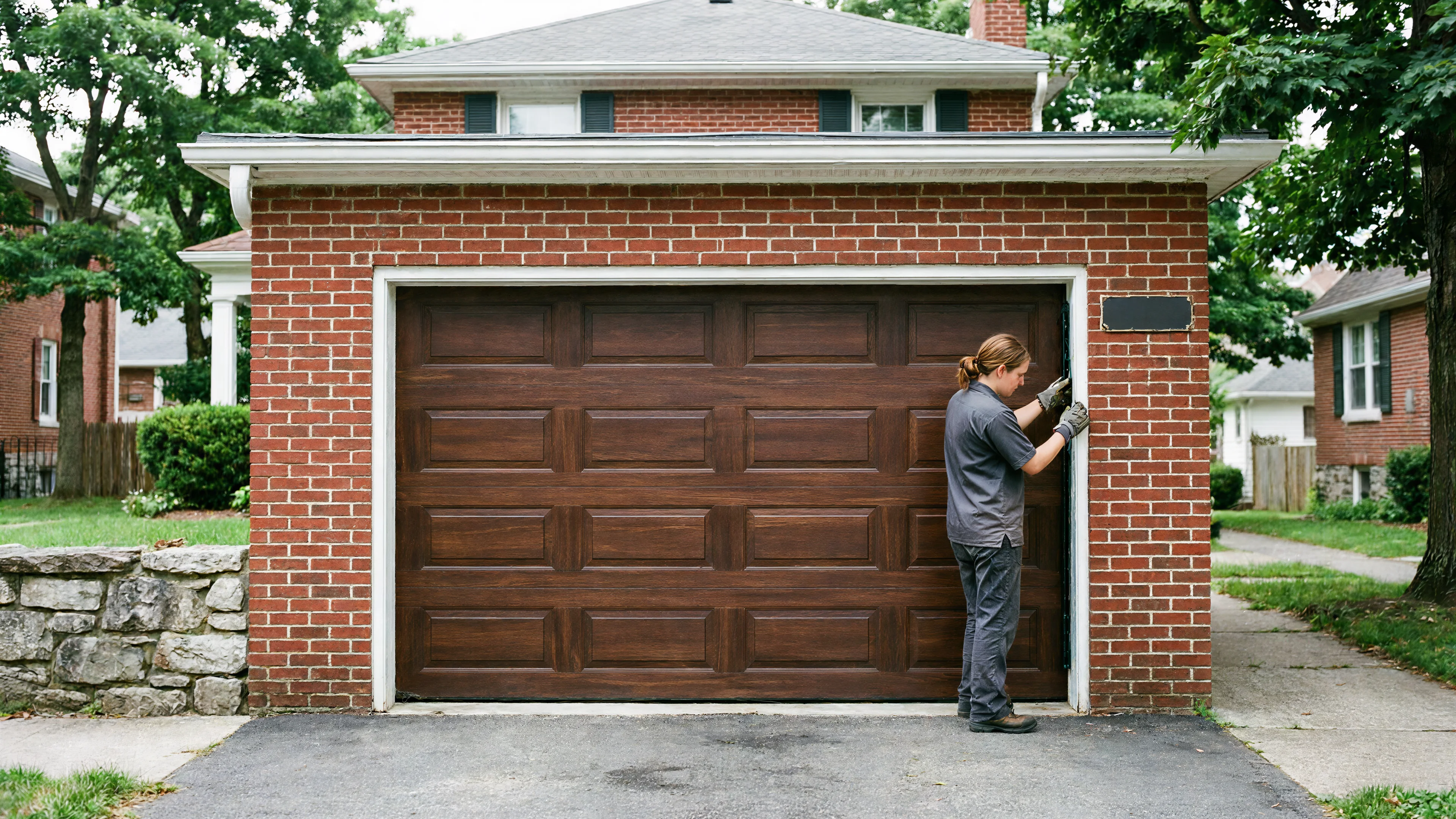
Most of the housing across this service area went up between 1954 and 1986, with the bulk of it dating to the 1960s and 70s. Doors from that era, and a lot of the replacement doors installed on those same tracks since, were built around steel rollers riding in galvanized track that was never meant to be maintenance-free. Add a climate band that swings into severe cold for a real stretch of the year, and you get two things working against the rollers at once: track metal that contracts and tightens its tolerances in the cold, and roller bearings that were never lubricated because nobody thought they had to be. On a door that's 50-plus years old in track design even if the panels were swapped out later, that combination wears the roller stem down until it rattles in the bracket. This isn't a defect in any one door - it's what happens to this specific generation of hardware in a climate that gets hard freezes. Newer nylon rollers with sealed bearings handle the cold better, but a huge share of the doors on original or early-replacement track in this area are still running the steel rollers that came with them.
Warning signs
The first sign is usually noise - a grinding or clicking as the door travels, loudest right where the roller rides into the curved section of track near the top.
Some owners notice the door hesitating or catching at that same spot before it smooths out again, which is a roller that's flat-spotted or cracked and about to go.
If a roller actually comes off the stem, the door will often still open but will walk sideways in the track, scraping the weatherstrip or binding hard enough that the opener strains against it.
Left alone, a failed roller eventually chews up the track lip, and now you're replacing track sections instead of rollers. In cold weather here, this tends to get worse fast because the metal is already tighter and less forgiving of a roller that isn't rolling true.
Timing
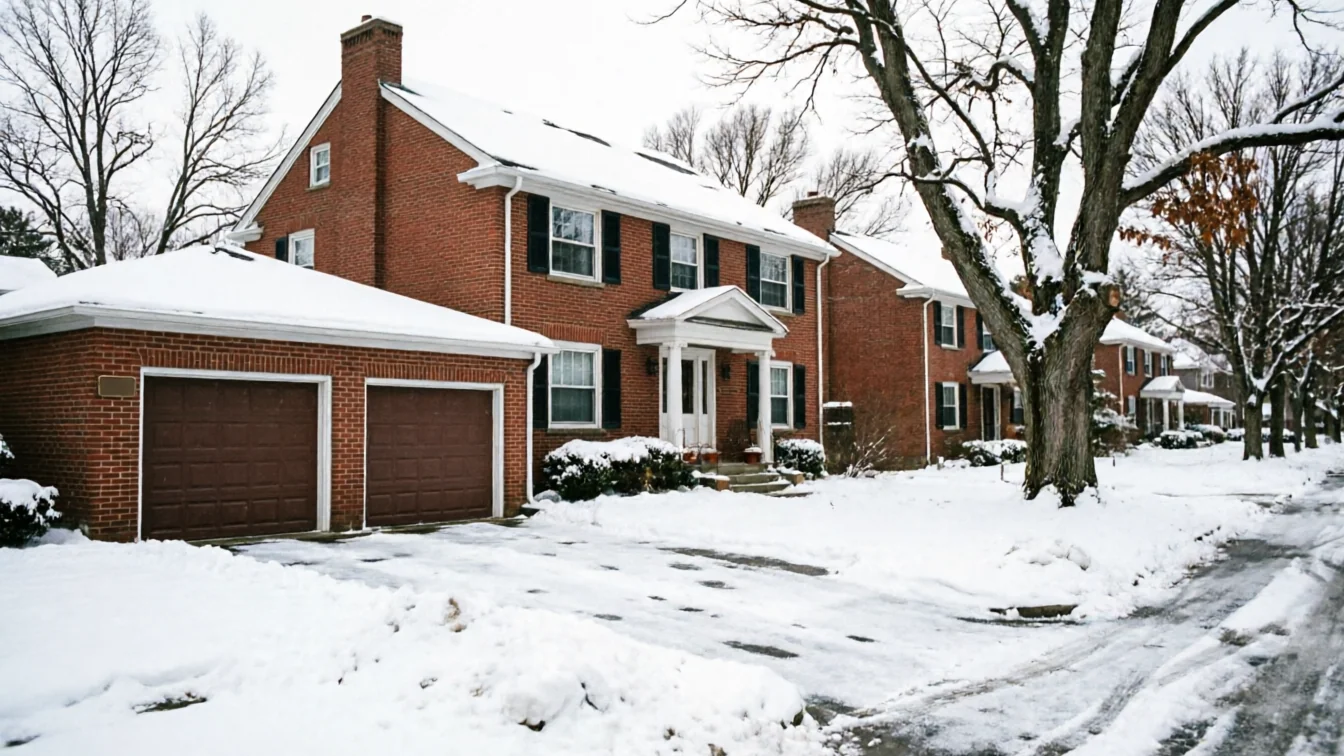
A standard roller replacement, full set, is a same-visit job - there's no special-order part involved unless the track itself is damaged and needs a section replaced, which does sometimes mean a return trip if we don't have that length on the truck. Nylon and steel rollers are both stock items, so the limiting factor is almost never the part. It's more often the inspection: if a roller has been bad long enough to bend the track, we're not going to bolt new rollers into bent track and call it done, because it'll just fail again in a season or two. That's the one honest limitation worth saying up front - sometimes what looks like a roller call turns into a track call, and we'll tell you that before we start, not after.
Questions
A lot of the housing stock in this area dates to the 1960s and 70s, and the original-style steel rollers on that generation of track weren't built to be maintenance-free. Combine that with a climate that hits severe cold for real stretches of winter, and the bearings wear out faster than they would in a milder climate, especially on track that's never been lubricated.
You can, but if one roller has worn out from age and use, the others on the same door are usually close behind. We'll look at wear on all of them and tell you honestly whether a single swap makes sense or whether you're better off doing the full set in one visit instead of two service calls.
Yes, if it's left long enough. A roller that's flat-spotted or cracked rides unevenly and can chew into the track lip over time. Once that happens, replacing the roller alone won't fix the binding - the track section needs attention too, which is why we check both before quoting the job.
Sealed-bearing nylon rollers generally handle cold-weather swings better than older-style steel rollers, since they don't rely on exposed lubrication that thickens in low temperatures. Steel rollers with sealed bearings are a middle option. Either works, but if you're replacing anyway, it's worth asking about the upgrade.
Explore more
Ready when you are
New Haven Garage Door Pros repairs and installs garage doors, springs and openers in New Haven, CT and the surrounding area.