
Blog
Why a Garage Door Goes Off Track
New Haven's 1954-1986 housing stock and severe cold winters put real strain on garage door tracks. Here's what causes it and when to call someone.
How Local Conditions Play In
Most of the houses in New Haven and the surrounding neighborhoods we work in went up between 1954 and 1986, with a lot of that stock centered around 1972. That means a big share of the doors still riding on their original track brackets are pushing fifty years old, and the steel has usually seen one or two replacements of rollers but rarely a full track swap. Add in a climate band on the severe end of cold, and you get a specific failure pattern: steel track contracts in deep cold, fasteners that were already loosening from decades of vibration pull another sixteenth of an inch away from the framing, and the door starts walking sideways on its rollers instead of running straight. This isn't a one-season problem. It's cumulative - the same freeze-thaw cycle that heaves a driveway slab also works on the lag screws holding your vertical track to the jamb, year after year. In a newer build you might not see this for another decade. In a house built when Nixon was in office, the track hardware has already absorbed fifty winters of that cycle, and it shows up as a door that rattles, binds, or pops off the rail on the coldest mornings of the year.
What to Check
Start at the brackets, not the door. Look at where the vertical track meets the wall on both sides - in homes from this area's main building era, those brackets are lag-bolted into wood framing that's shrunk slightly over the decades, so a visual check often shows daylight behind the bracket that wasn't there when the house was newer. Next, check the horizontal track where it curves into the header; this is the spot that takes the most flex every cycle and the first place a track bends out of plane. Run your hand along the rail (door closed, opener unplugged) and feel for a kink rather than a smooth curve. Check the rollers themselves - if they're the original steel rollers rather than nylon, and the house dates to that earlier housing wave, they're overdue regardless of the track's condition. Finally, check the floor track stops; concrete settling over decades can leave the bottom of the track slightly out of level with the opening, which throws the whole alignment off a few degrees at a time until the door finally jumps the rail.
What Is Going On
When a door goes off track, it's almost never one dramatic event - it's the last step in a slow drift. A bracket that's been loosening for years finally lets the track lean a few degrees. A roller that's been wearing unevenly finally slips past the lip of the rail instead of rolling through it. In cold-climate housing stock from the 1950s through 1980s, this drift is accelerated by the metal's response to temperature swings: track steel contracts in the cold just enough to change the tolerance between roller and rail, and a tolerance that was marginal in August becomes a problem in January. Once a door is off track, the cables and springs are still under full tension, which is what makes this dangerous to handle yourself - a door hanging half off its track with a wound torsion spring attached is not a DIY fix, full stop. That's the one hard limitation worth saying plainly: we can straighten minor track misalignment and replace worn rollers, but once a door has jumped the rail with the spring still loaded, that's a service call, not a weekend project.
When to Call Someone
Call before the door comes fully off, if you can. A door that's rubbing one side of the opening, or that sounds like it's grinding rather than rolling, is telling you the track is already out of alignment - catching it at that stage is a bracket tightening and a roller swap, not a full track replacement. If the door has already jumped the rail, stop using the opener, don't try to force it back by hand, and call. With roughly 170,293 owner-occupied houses in the service area and most of that stock dating to the same mid-century building wave, this is one of the most common calls we get once the weather turns, and it's rarely the same cause twice - sometimes it's the bracket, sometimes a roller, sometimes a track bent from age. We'll look at the actual hardware on your actual door before we say which it is.
Questions
Common questions
Why does my garage door only go off track in winter?
Steel track contracts slightly in severe cold, and in older hardware - common in houses built in this area's main 1954-1986 wave - that contraction is enough to change the clearance between roller and rail. A tolerance that was fine in summer becomes tight enough to bind or pop the roller loose once temperatures drop hard.
Is a door off its track dangerous to fix myself?
Yes, if the springs are still under tension, which they usually are. A door that's jumped the rail but still has a wound torsion spring attached can release suddenly if handled wrong. We can straighten minor misalignment and swap rollers, but a loaded spring with a door off-track is a call, not a weekend project.
How do I know if it's the track or the rollers?
Run your hand along the closed track and feel for a kink rather than a smooth curve - that's the track. If the rail feels straight but the door still grinds or hesitates, worn rollers are more likely, especially original steel rollers in houses from the area's older housing stock.
Does house age actually matter for this?
It does. A lot of the housing in and around New Haven dates to 1954-1986, median around 1972, so the original track brackets and hardware on a lot of these doors have absorbed decades of freeze-thaw cycling. That cumulative loosening is a bigger factor than most homeowners expect.
Recommendation
You Might Also Like
More garage door guides for New Haven homeowners.
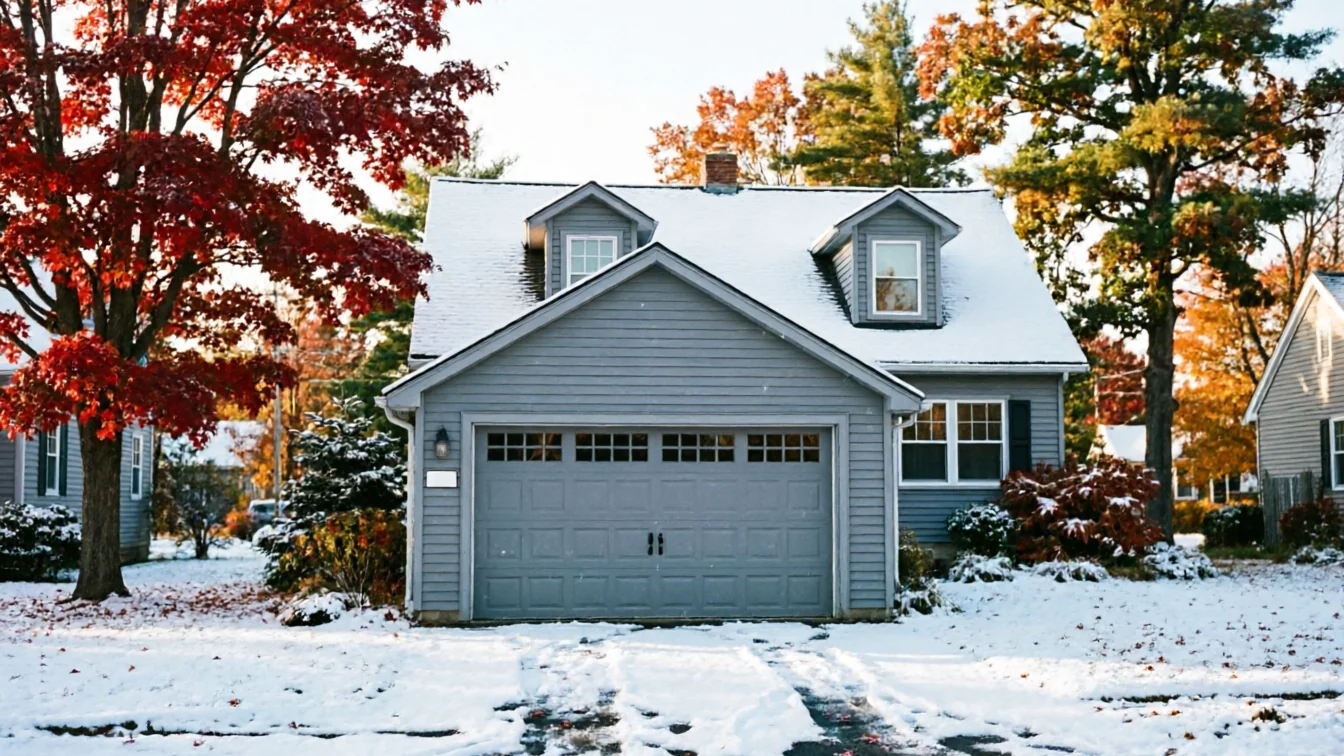
What Winter Power Outages Do to Your New Haven Garage Door Opener
Power cuts hit garage door openers hard in New Haven's older housing stock and cold winters.
Read guide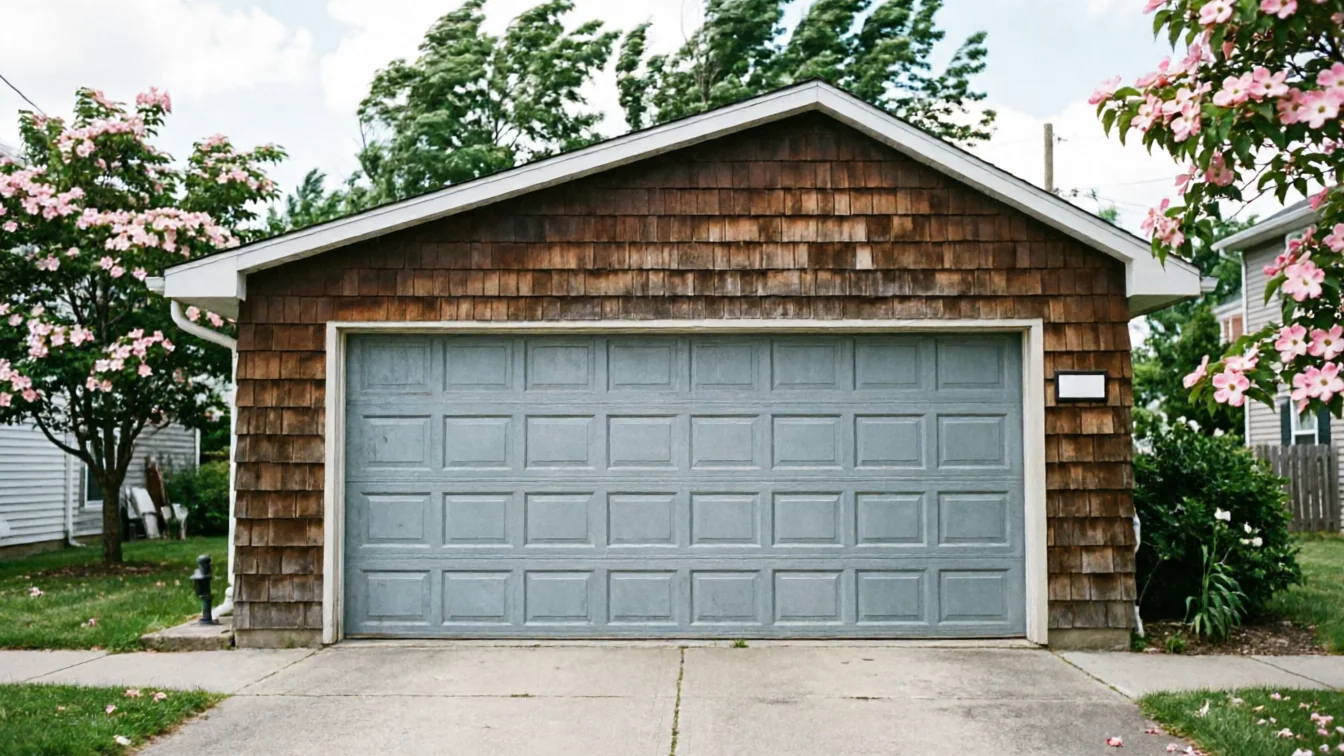
Why Pre-1972 New Haven Homes Give Garage Doors a Hard Time
Most New Haven garage doors date from 1954-1986, built before insulation codes.
Read guide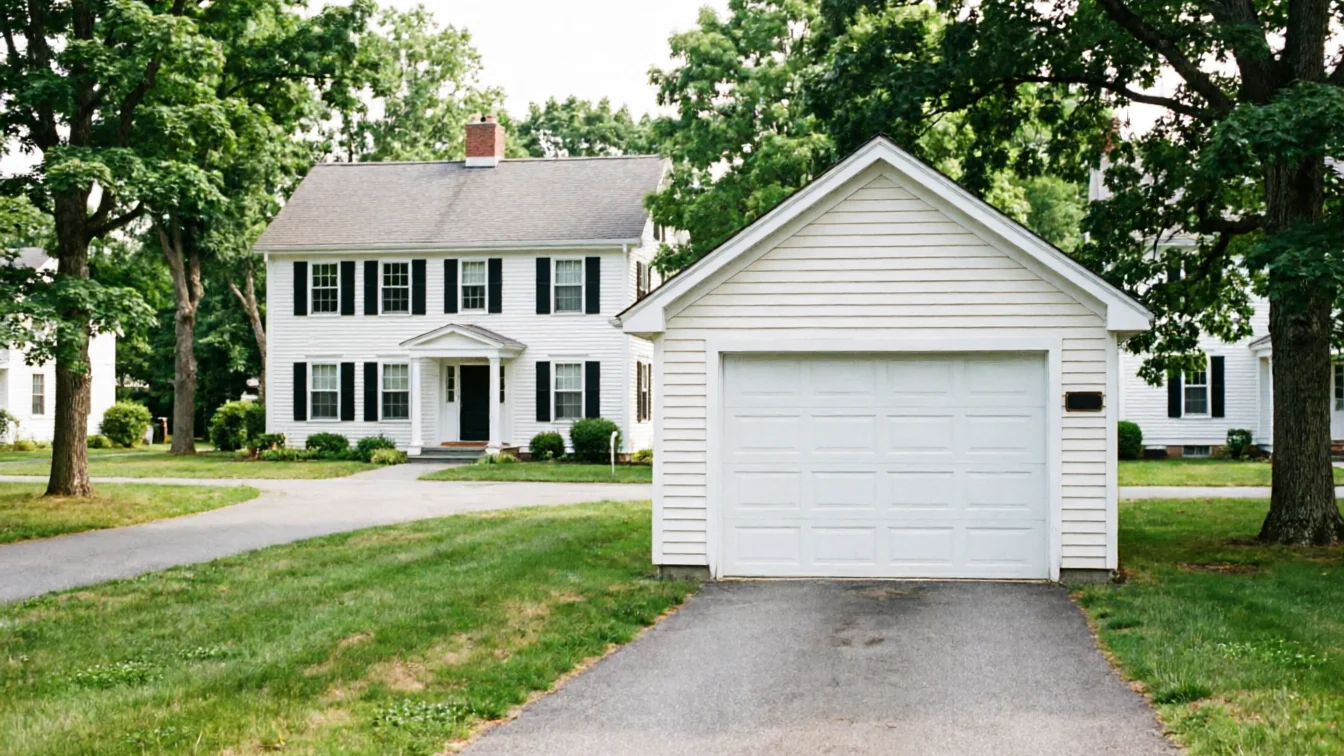
What a Service Call Actually Covers in New Haven
New Haven's housing runs 1954-1986 with cold-climate wear on original hardware.
Read guideReady when you are
Need a garage door sorted in New Haven?
New Haven Garage Door Pros repairs and installs garage doors, springs and openers in New Haven, CT and the surrounding area.