New Haven, CTSame-day service/Free estimates/Licensed & insured(475) 203-3810

New Haven, CT

Garage Door Maintenance Built for New Haven's Housing Stock

Garage door maintenance for New Haven homes built 1954-1986, where original hardware meets Connecticut winters. Service across New Haven and 7 nearby towns.

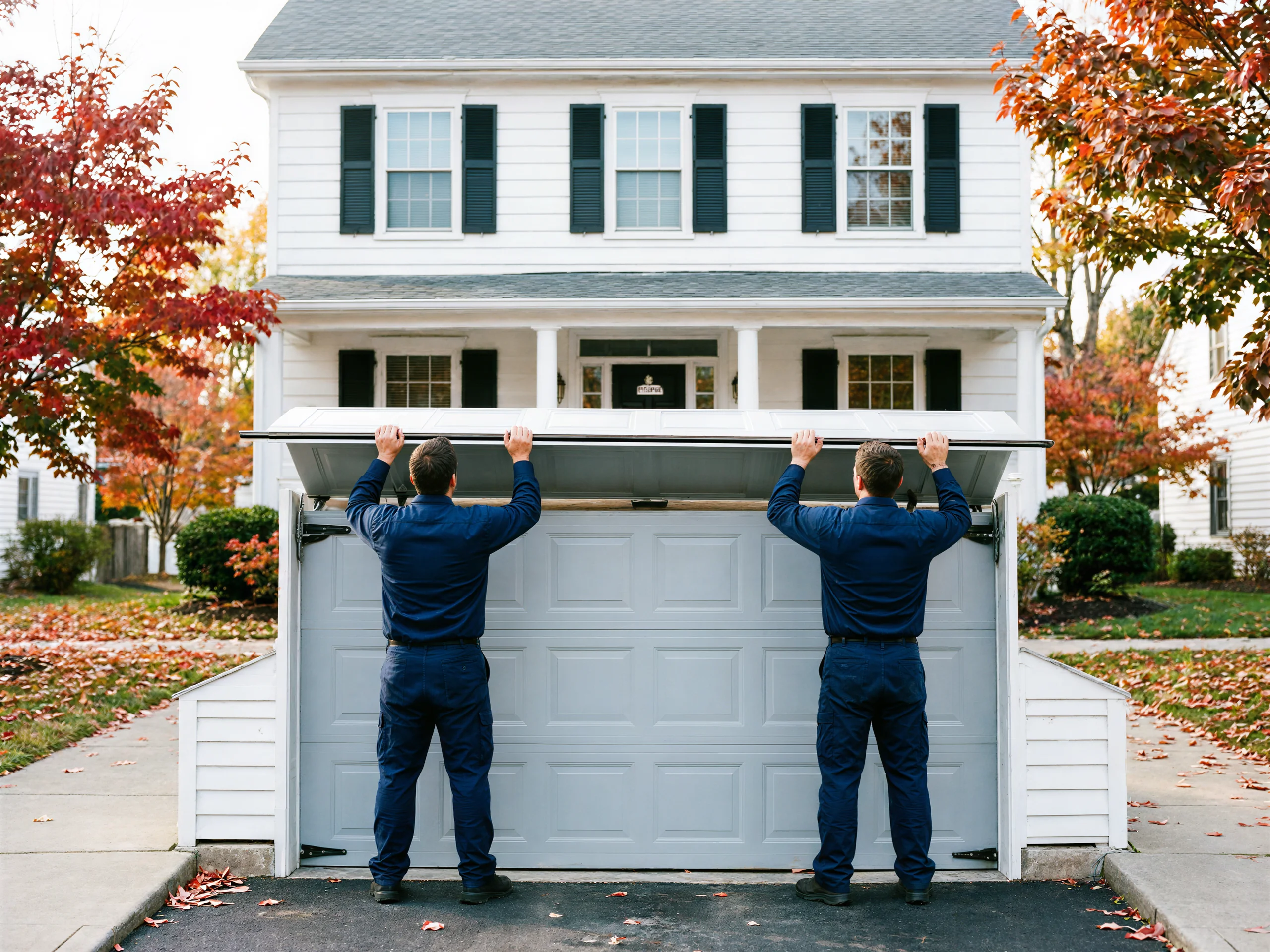
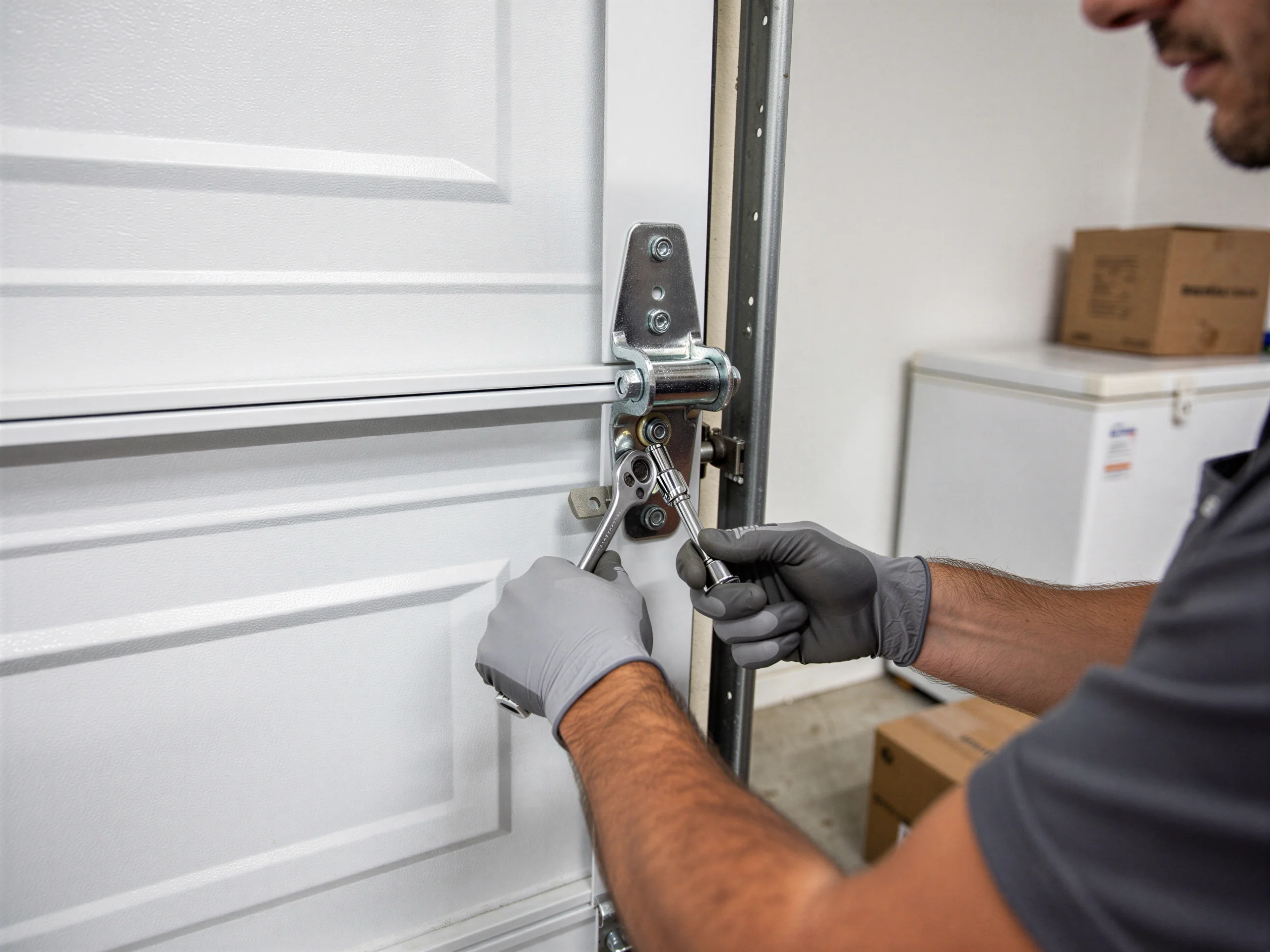
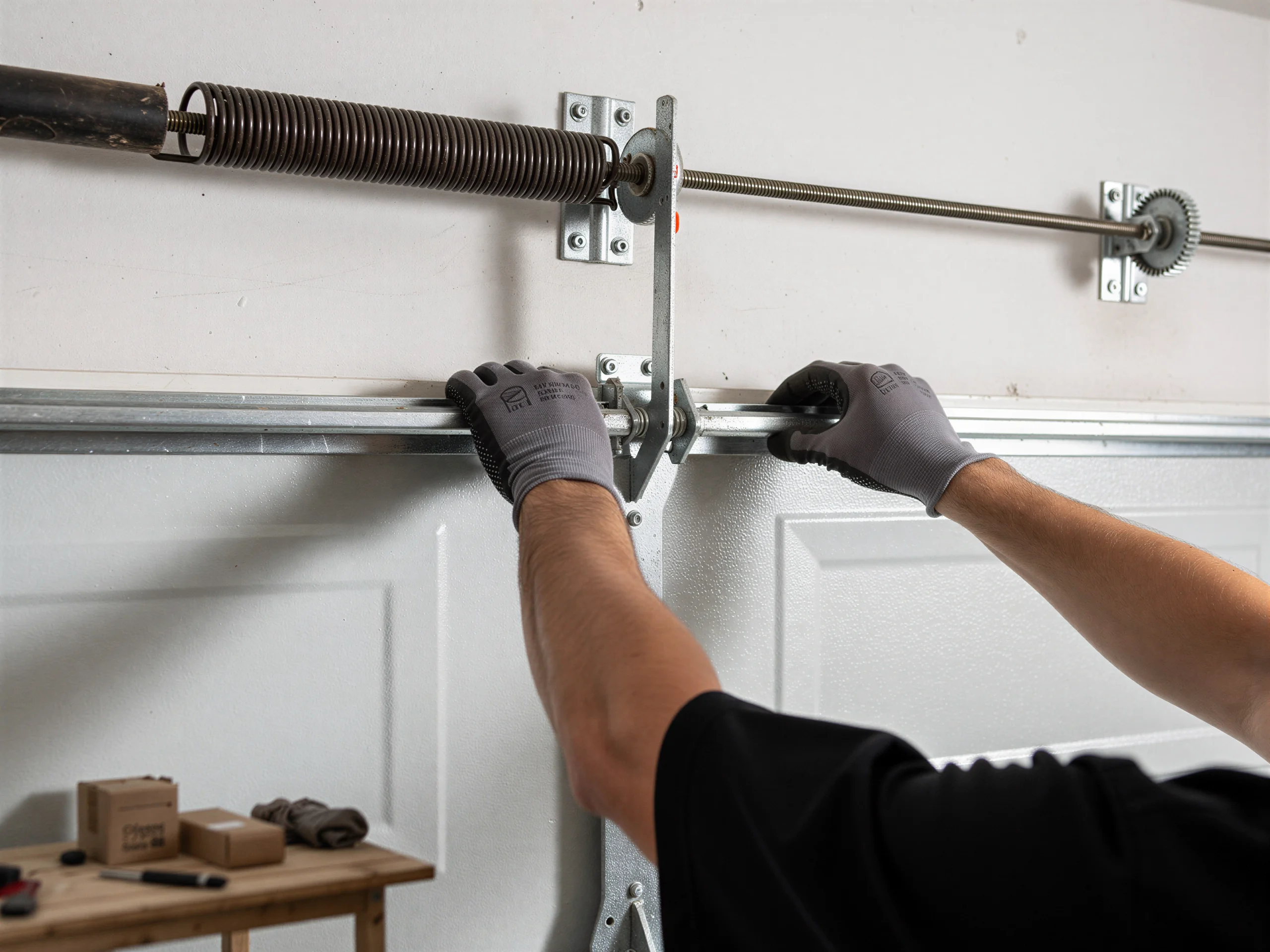
A technician wearing gloves adjusts the top panel of a white garage door.
Same-day serviceTrusted local pros
Serving New Haven, CTBackground-checked techsHonest, upfront pricingFast local response
Local
Crews that work this area daily
Same-day
Response for most repair calls
Upfront
Pricing agreed before we start
Insured
Background-checked technicians

Pricing

What It Costs

We can't post a flat number here, because what a maintenance visit runs depends on what we find once the door is open. A torsion spring on a door from the 1960s build era isn't priced the same as a newer extension-spring setup, and a tune-up on a door that's never been serviced takes longer than one that gets checked every year or two.

Lube visit versus repairs

What we can tell you is the honest version of how pricing works in this market: a straightforward lube-and-adjust visit costs less than a visit where we're also replacing rollers, cables, or weatherstripping that's cracked from age.

Original opener hardware

If your opener was installed anytime close to when a lot of New Haven-area houses were built - the 1954 to 1986 window that covers most of the stock out here - expect some of the original hardware to need attention, not just oil.

Quotes after inspection

We'll quote the job after we look at the door, not before. If a shop gives you a number over the phone with no inspection, that number is a guess, and guesses on garage doors are usually low.

Local causes

What Causes It Around Here

Most of the houses in this service area went up between 1954 and 1986, median right around 1972, across dozens of neighborhoods from the Hill to Westville to the towns further out like Hamden and North Haven. That means a lot of doors and openers are original or close to it, running on torsion or extension springs that were never rated for fifty-plus years of cycling. Add a cold, severe winter climate on top of that and you get a specific failure pattern: steel contracts in the cold, lubricant that was fine in July turns gummy in January, and a spring that's already near the end of its cycle count snaps on the first single-digit morning instead of easing out gradually. Track alignment drifts too - freeze-thaw cycles shift foundations and slabs over decades, and a door built square to a 1960s foundation doesn't stay square forever. None of this is a defect specific to one house. It's what happens when 1960s-70s hardware meets Connecticut winters for fifty years without regular attention. Maintenance doesn't stop that aging process, but it catches the slack cable, the dry hinge, and the spring that's starting to sag before any of them turn into a 6 a.m. call.

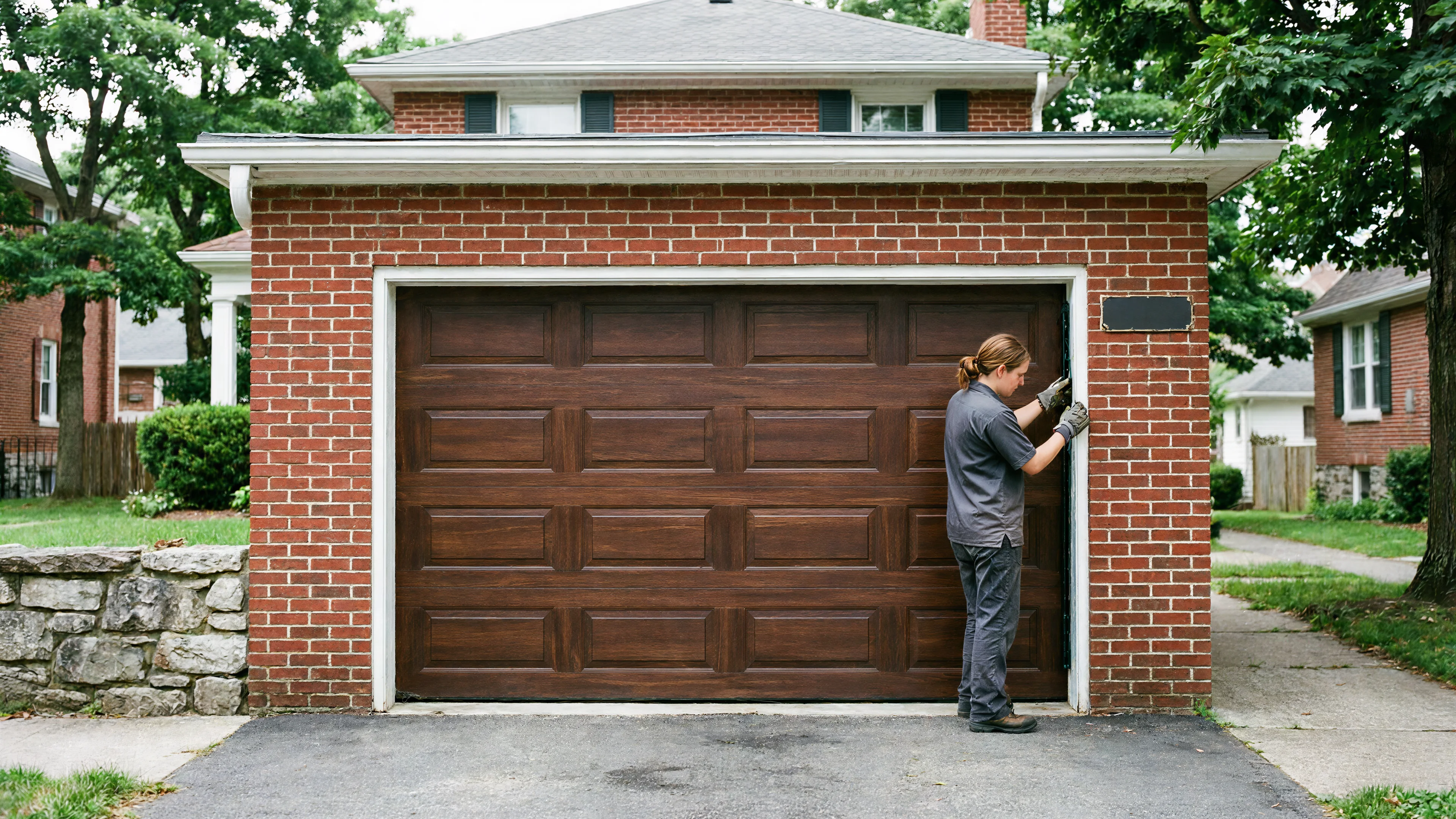
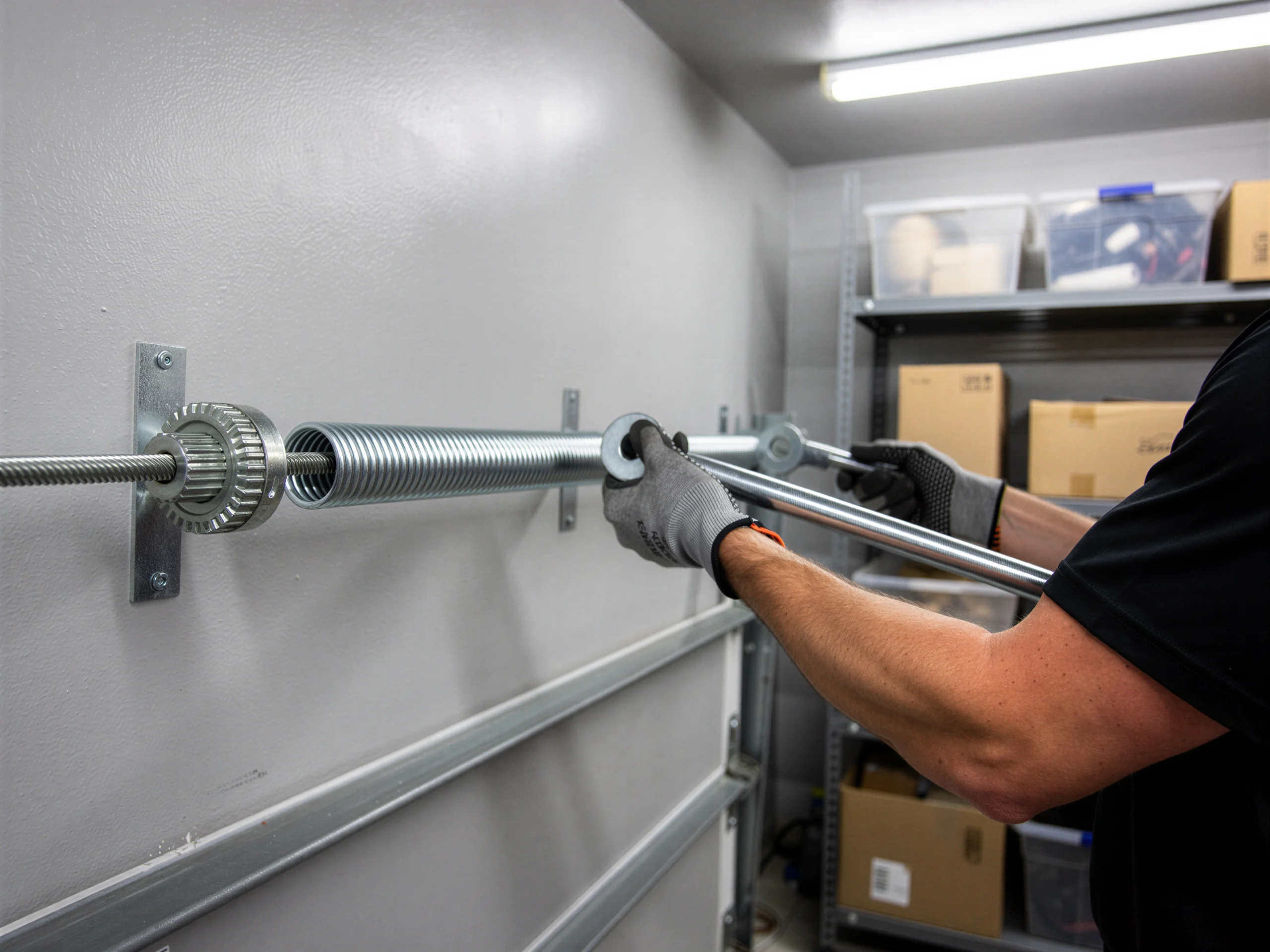
A technician adjusts a brown garage door on a brick house.

Warning signs

How It Shows Up

The first sign is almost never total failure - it's the door getting louder or slower. A grinding noise on the way up usually means rollers that were fine for a decade and are now worn flat on one side, common on doors that have been running since the original build era.

Uneven spring wear

A door that reverses halfway, or that one side lifts a beat before the other, points to spring or cable wear that's uneven, which is typical once a torsion spring has been through a few thousand cold-weather cycles.

Morning stiffness from cold

In winter specifically, watch for a door that strains and groans on the first open of the morning and runs smoother by afternoon - that's lubricant stiffening overnight in a cold, severe climate, and it's an easy fix if caught early.

Brittle weatherstripping signs

Weatherstripping that's gone brittle and lets light show under the door is common on homes with original trim dating to the 1960s and 70s. None of these are emergencies the day you notice them. They're the warning signs that, left alone through another winter, turn into the spring that snaps or the cable that frays through.

Timing

How Long It Takes

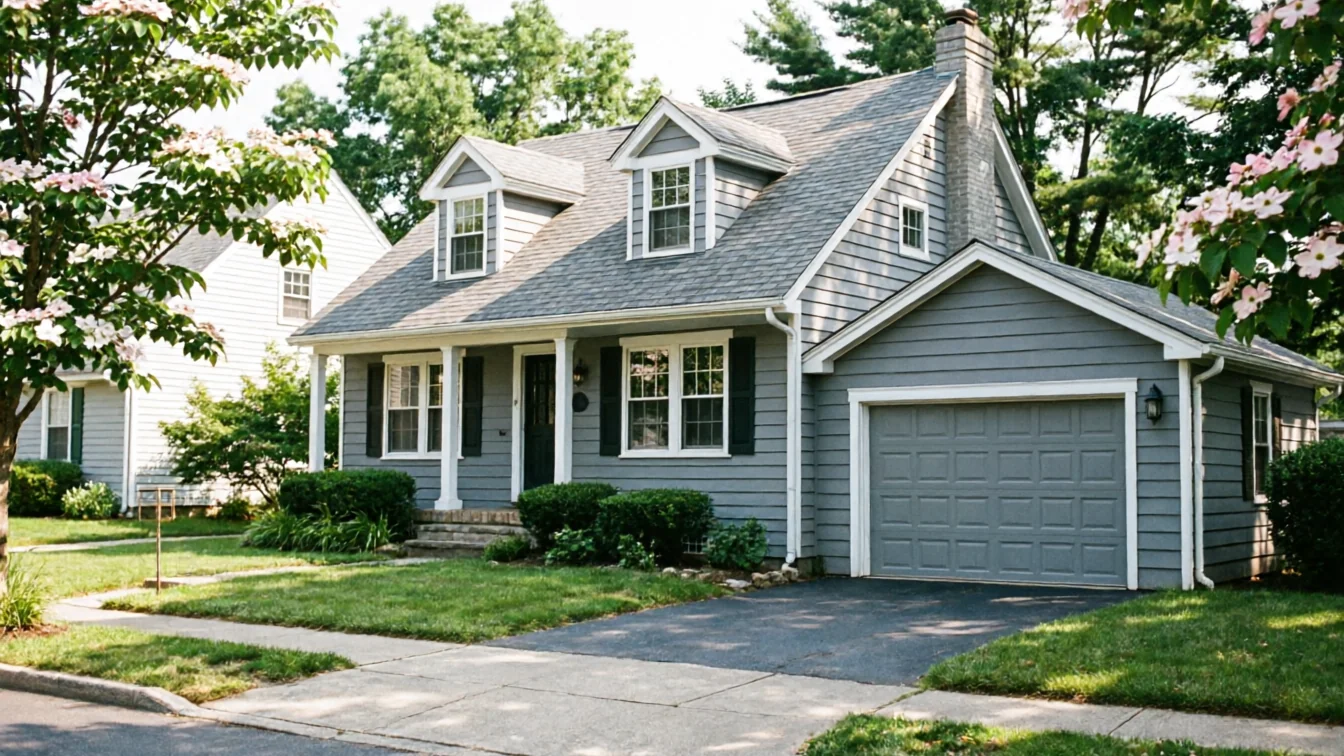
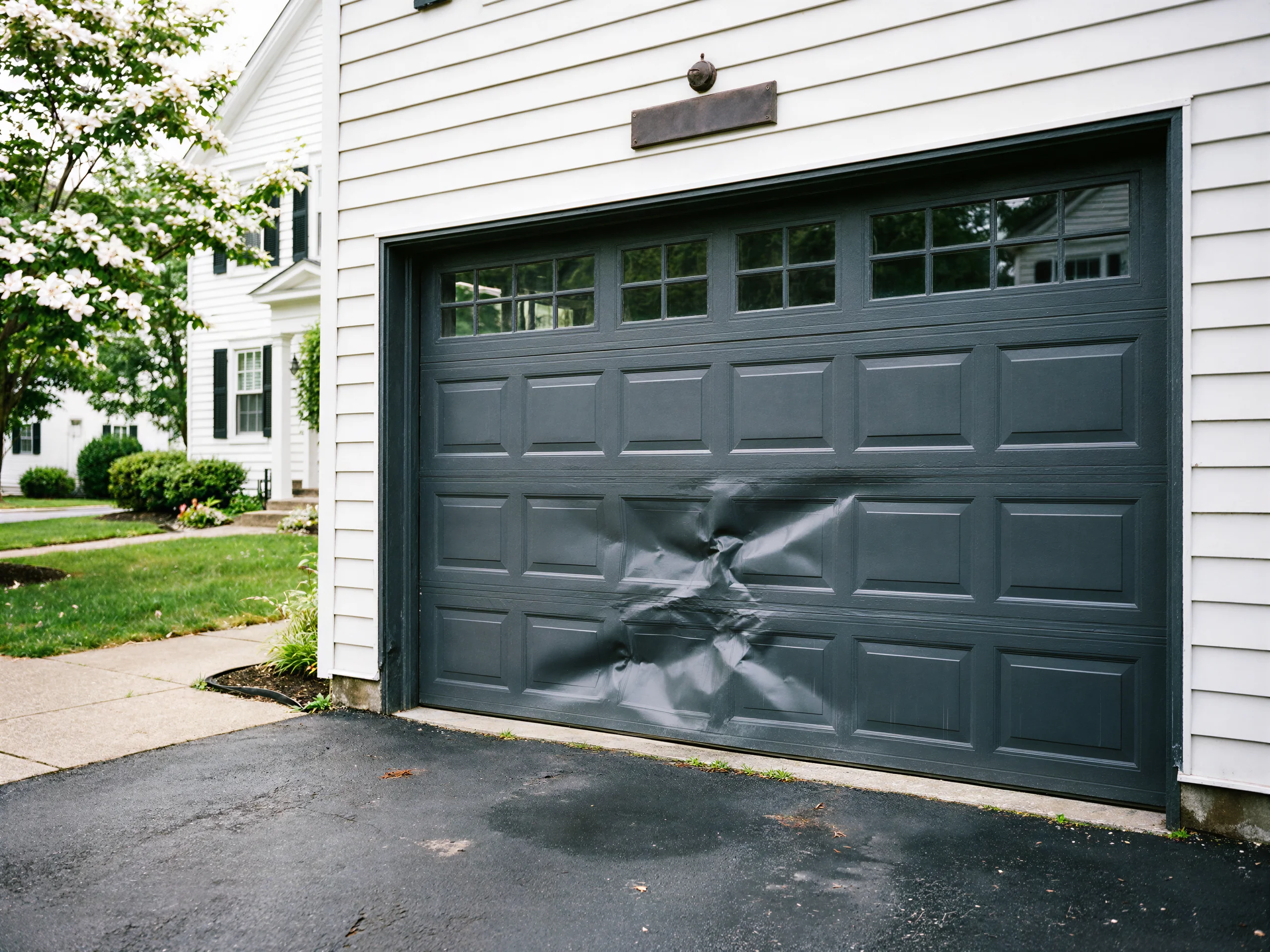
A gray house with a gray garage door and green landscaping.

A standard maintenance visit - inspecting springs, cables, rollers, track alignment, hardware, and lubrication - usually fits into a single appointment. If the door is original to a build from the 1954-1986 range and hasn't been serviced before, plan for a longer visit, since there's more to check and often more worn parts to flag. We won't stretch a fifteen-minute job into an hour, and we also won't rush past a spring that's visibly stressed just to hit a shorter time slot. One honest limitation: if we find a part that needs replacing and it's not something we stock on the truck, that piece may need to be ordered, which pushes the full fix past the first visit. We'd rather tell you that up front than pretend every job wraps the same day.

Questions

Common questions

How often should I get my garage door serviced in New Haven?

Given the cold, severe winters here and how much of the local housing stock dates to the 1954-1986 era, once a year is a reasonable baseline, ideally before the first hard freeze. Doors with original hardware from that build window benefit from more frequent checks since the parts are older and have more cycles on them.

Why does my garage door get louder in winter?

Cold temperatures stiffen lubricant and contract metal parts slightly, which is common across this climate band. A roller or hinge that runs quiet in summer can grind in January simply because the grease has thickened. It's usually a quick fix during a maintenance visit, not a sign of a bigger problem on its own.

Do you serve areas outside New Haven itself?

Yes, we cover the wider service area including towns like West Haven, East Haven, Hamden, North Haven, and others within roughly a 15-mile radius of New Haven, each with their own local page for area-specific detail.

Can maintenance actually prevent a spring from breaking?

It won't stop a spring from eventually reaching the end of its rated cycle life, but it can catch a spring that's sagging or unevenly loaded before it snaps. Given how much of the local housing stock is running original springs from decades past, that early catch matters more here than in newer construction.

Ready when you are

Need a garage door sorted in New Haven?

New Haven Garage Door Pros repairs and installs garage doors, springs and openers in New Haven, CT and the surrounding area.

Call Now(475) 203-3810