
Bearing plates and winding cones
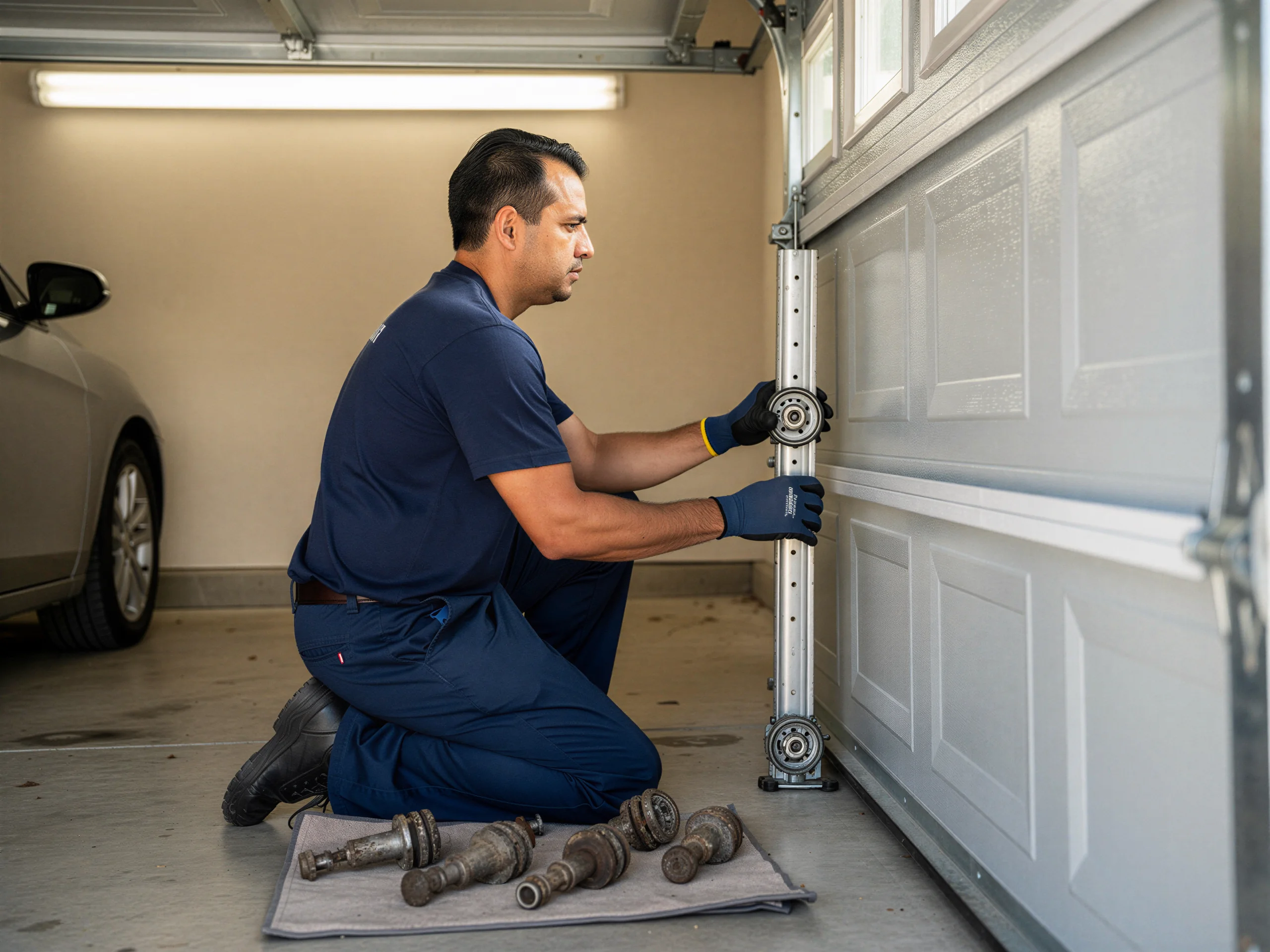
We also stock the matching bearing plates and winding cones, since the ones on a 60-year-old door are often rusted to the shaft and not worth reusing. In a cold climate like this one, winter grease matters.
West Haven, New Haven
West Haven homes went up around 1961, mostly on original torsion hardware. We drive the 4 miles from New Haven to fix broken springs fast and right.
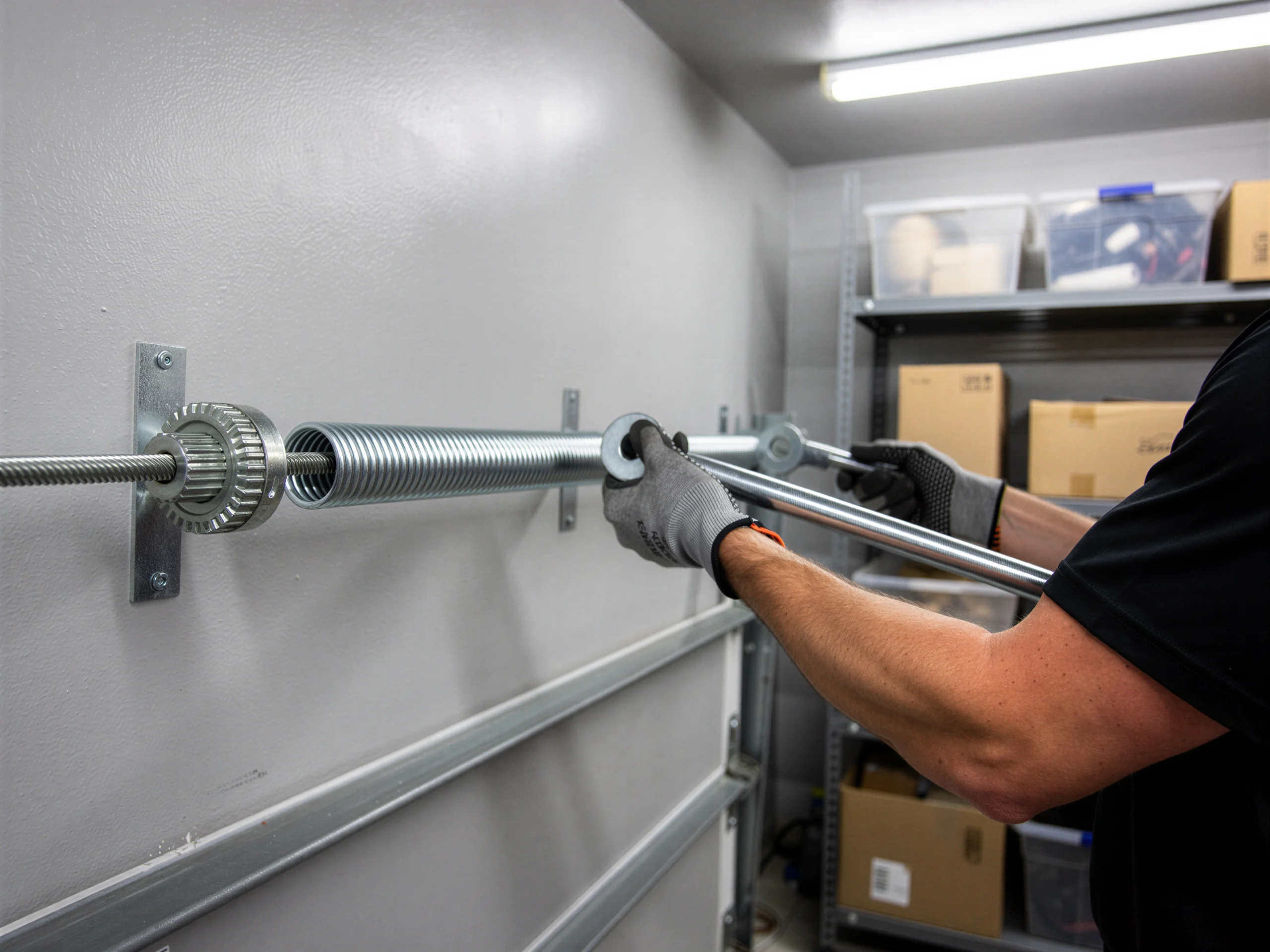
Timing
Most of West Haven went up around 1961, and a lot of those garages still have the torsion spring that came with the house. That's over sixty years on steel that was only ever rated for roughly 10,000 cycles. A spring that old doesn't usually fail with warning - it snaps, and the door won't move, or it slams down if someone's mid-way through opening it.
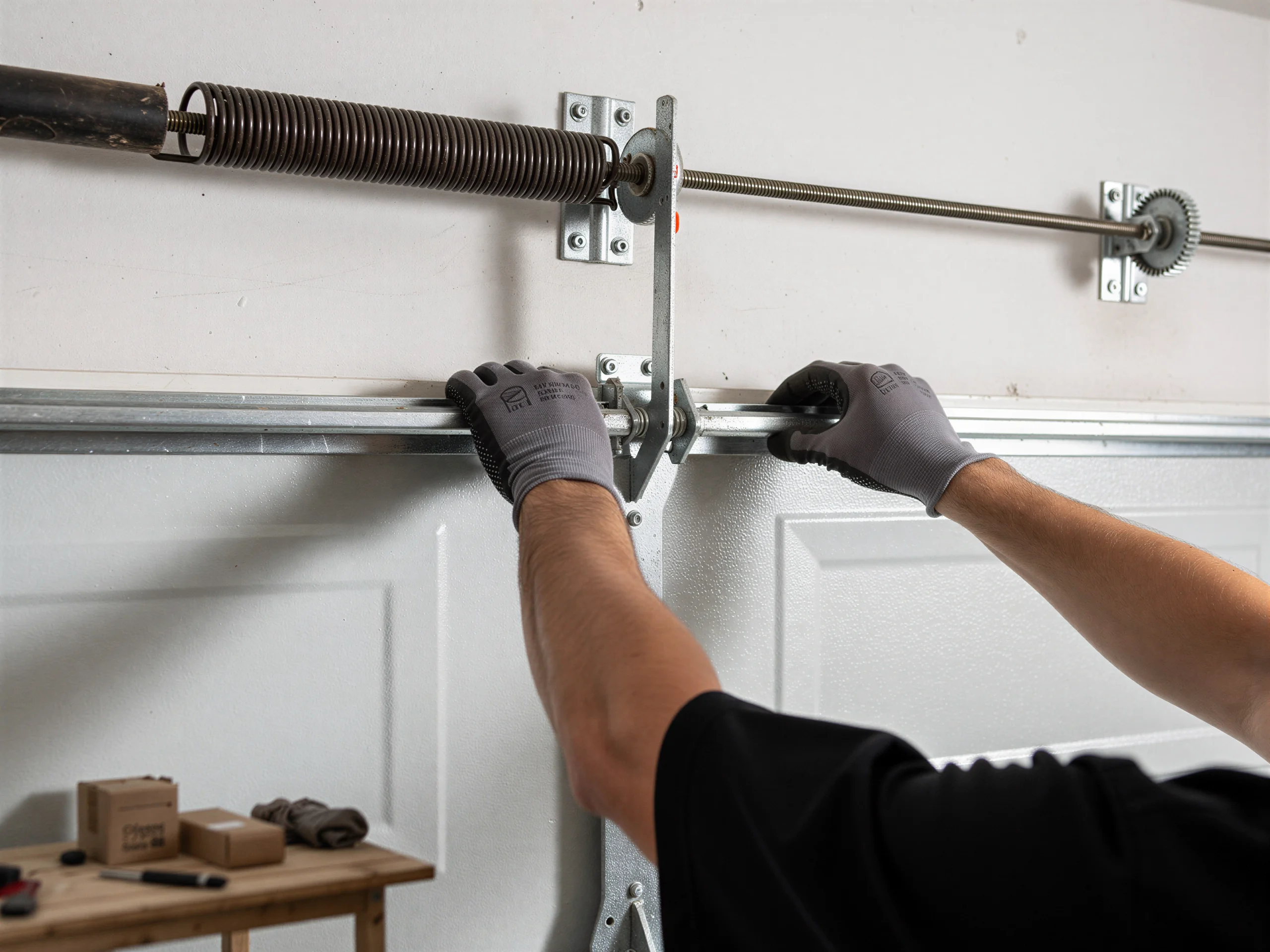
A standard torsion spring swap on a single door, once we're on-site, runs about the same as anywhere in a cold climate like this one: the spring comes off the shaft, the new one goes on winding cone and bearing plate included, and we cycle the door a dozen times to check balance. Two springs on a double door takes longer because we balance each side independently.
We come from New Haven, about 4 miles out, so travel time is short - but we don't quote a fixed arrival window here, because that depends on what's ahead of the job on the truck that day. What we can tell you is that once a tech is at your door, the repair itself is usually done well inside an hour.
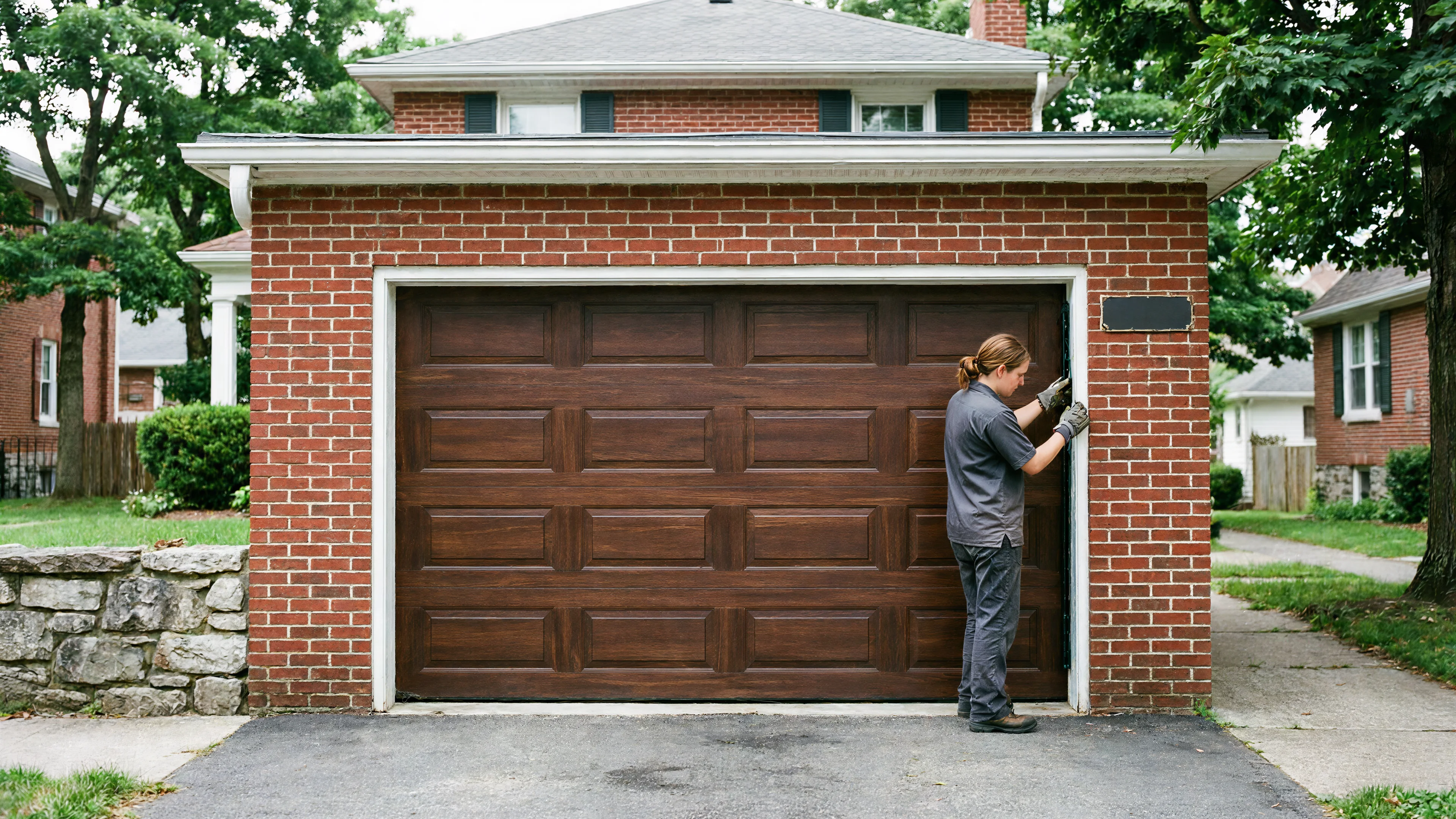
On the truck
Because so much of West Haven's housing stock dates to the early 1960s, we carry the sizes that fit that era's door openings and headroom - standard 7-foot torsion springs in the wind and wire gauges that match original single and double-door track setups, not just whatever's common in newer construction.
We also stock the matching bearing plates and winding cones, since the ones on a 60-year-old door are often rusted to the shaft and not worth reusing. In a cold climate like this one, winter grease matters.
We use a lubricant rated to hold up in sustained cold rather than stiffening and loading extra strain on an old spring that's already tired. That's a small thing, but on a house built in 1961 it's often the difference between a spring that's merely old and one that's about to go.
What's not on the truck: exotic or oversized commercial springs. If your opening is unusual, we may need to order a part, and we'll tell you that on-site rather than pretend we're carrying it.
Watch-outs
The complication in a town built mostly around 1961 is almost always the hardware around the spring, not the spring itself. Original end bearing plates corrode in place.
Shafts seize. Stop plates loosen from decades of vibration. When we pull a spring that old, we routinely find one or two other original parts that need to come off at the same time, because putting a new spring on worn bearings just means a second call in a year.
Cold is the other factor. This is a severe cold-climate area, and steel contracts in winter - a spring that's already fatigued is more likely to let go on a hard freeze morning than in July. We see more snapped springs here in the cold months, and it's rarely a coincidence.
One honest limitation: if the torsion tube itself is bent or the drum is cracked, that's not a spring job anymore, and we'll say so rather than patch around it. On a door this age, sometimes the right call is replacing more than just the spring, and we'd rather tell you that up front than sell you a repair that won't hold.
Booking
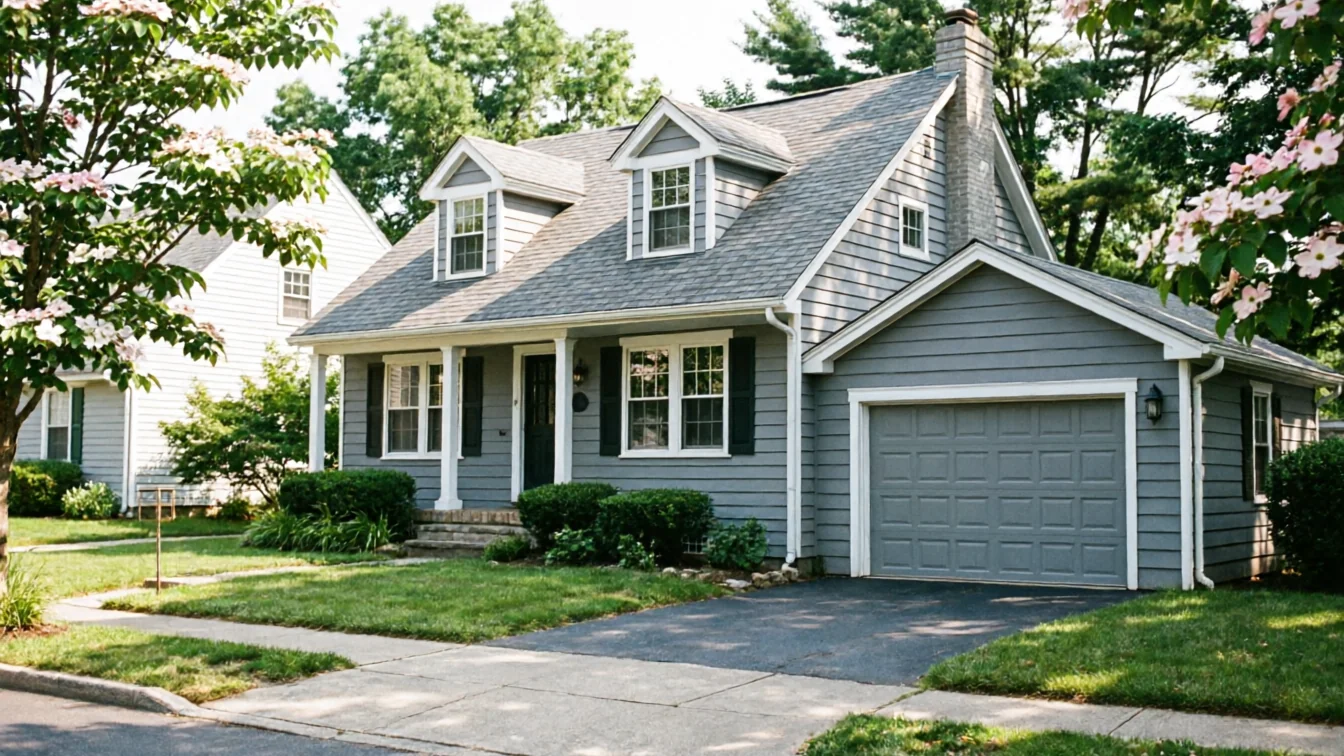
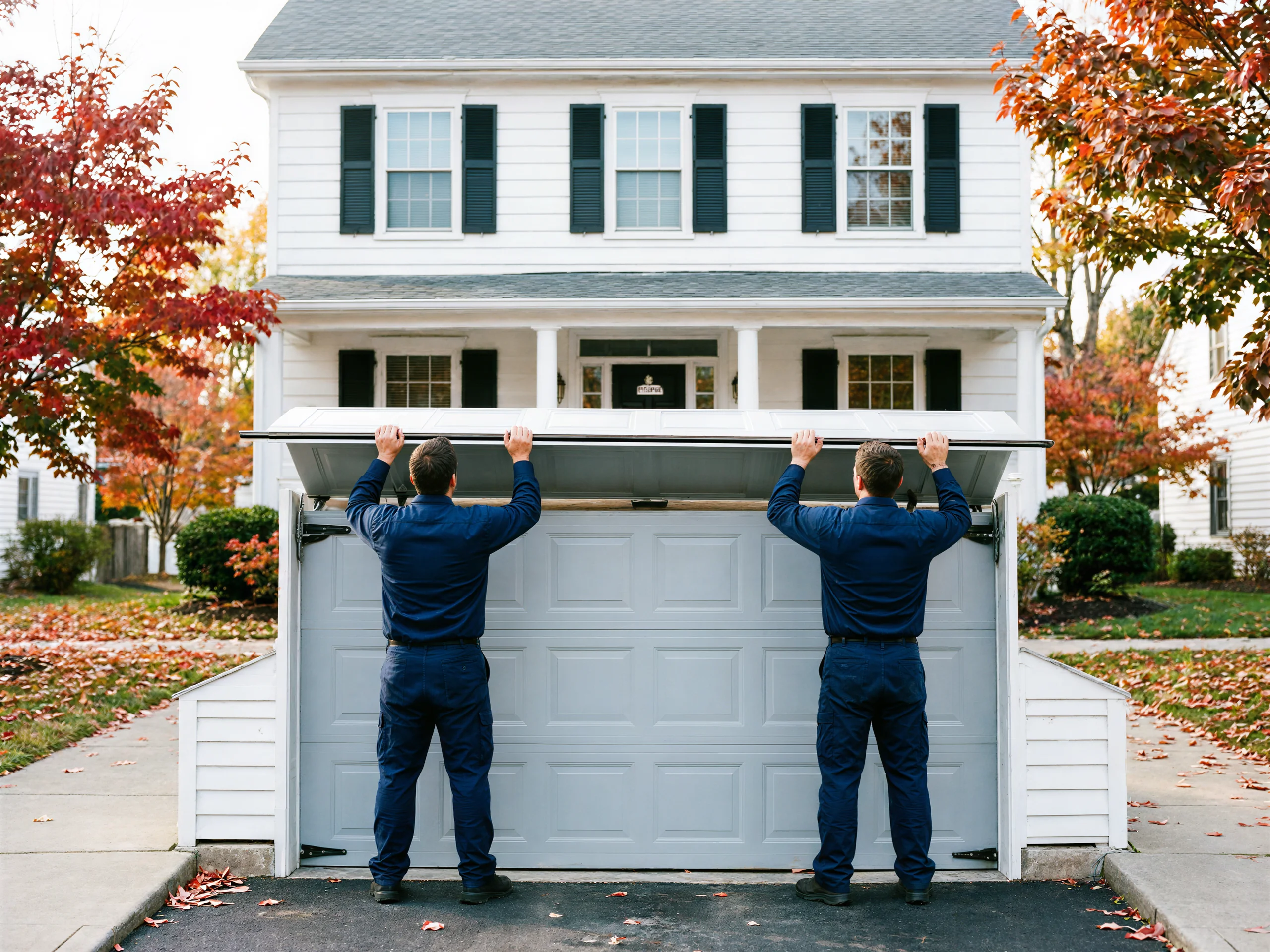
If your door won't budge or came down hard and fast, that's a broken spring, not an opener problem, and it's not safe to force open by hand repeatedly. Call and describe what happened - whether the door dropped suddenly, whether you heard a bang, whether it's a single or double door - and we'll get a tech routed from New Haven.
We ask for the house's rough age if you know it, since on a street built around 1961 that tells us a lot about what we'll likely find before we even arrive. If you're not sure, that's fine - we check the hardware on-site either way.
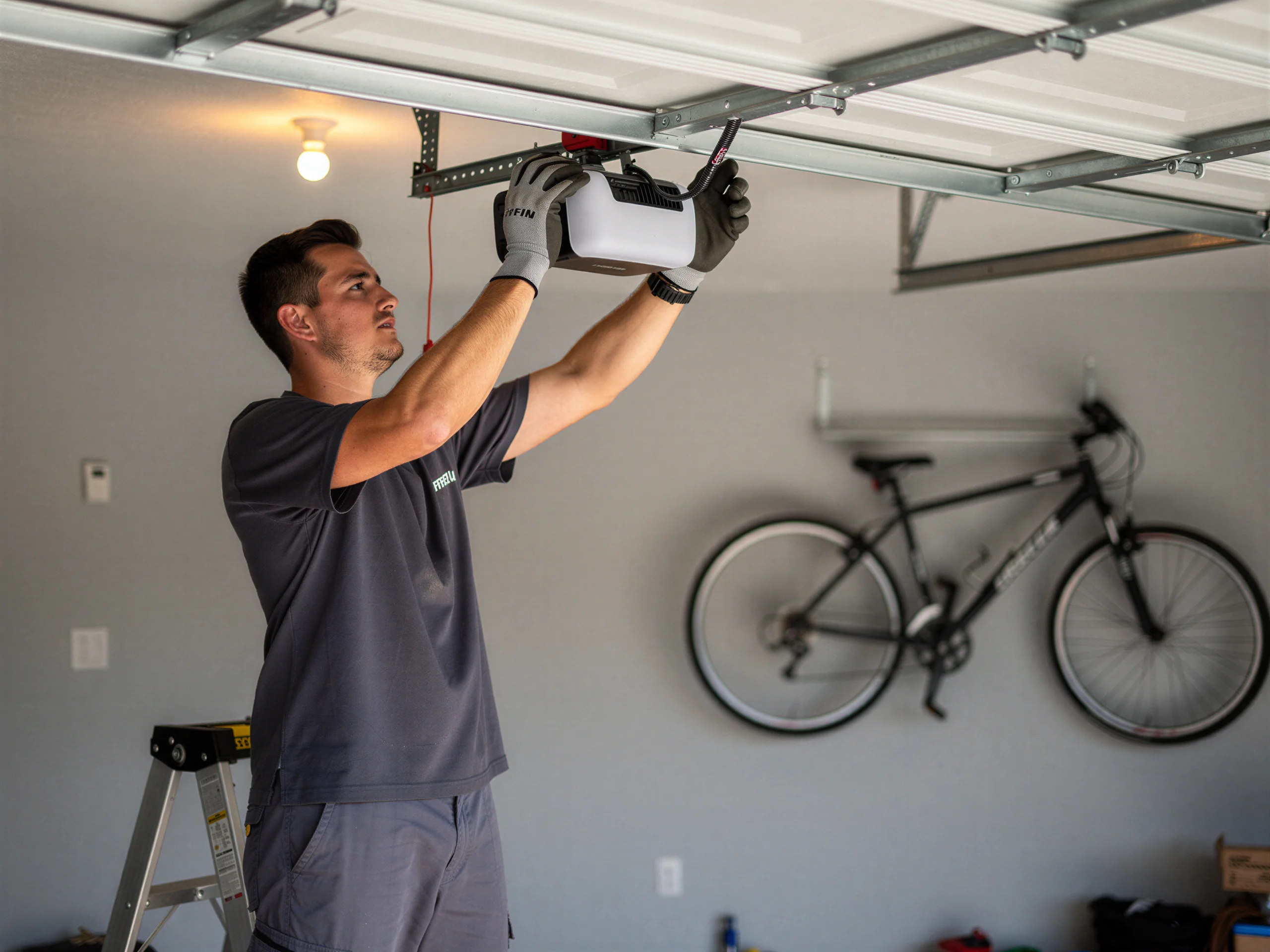
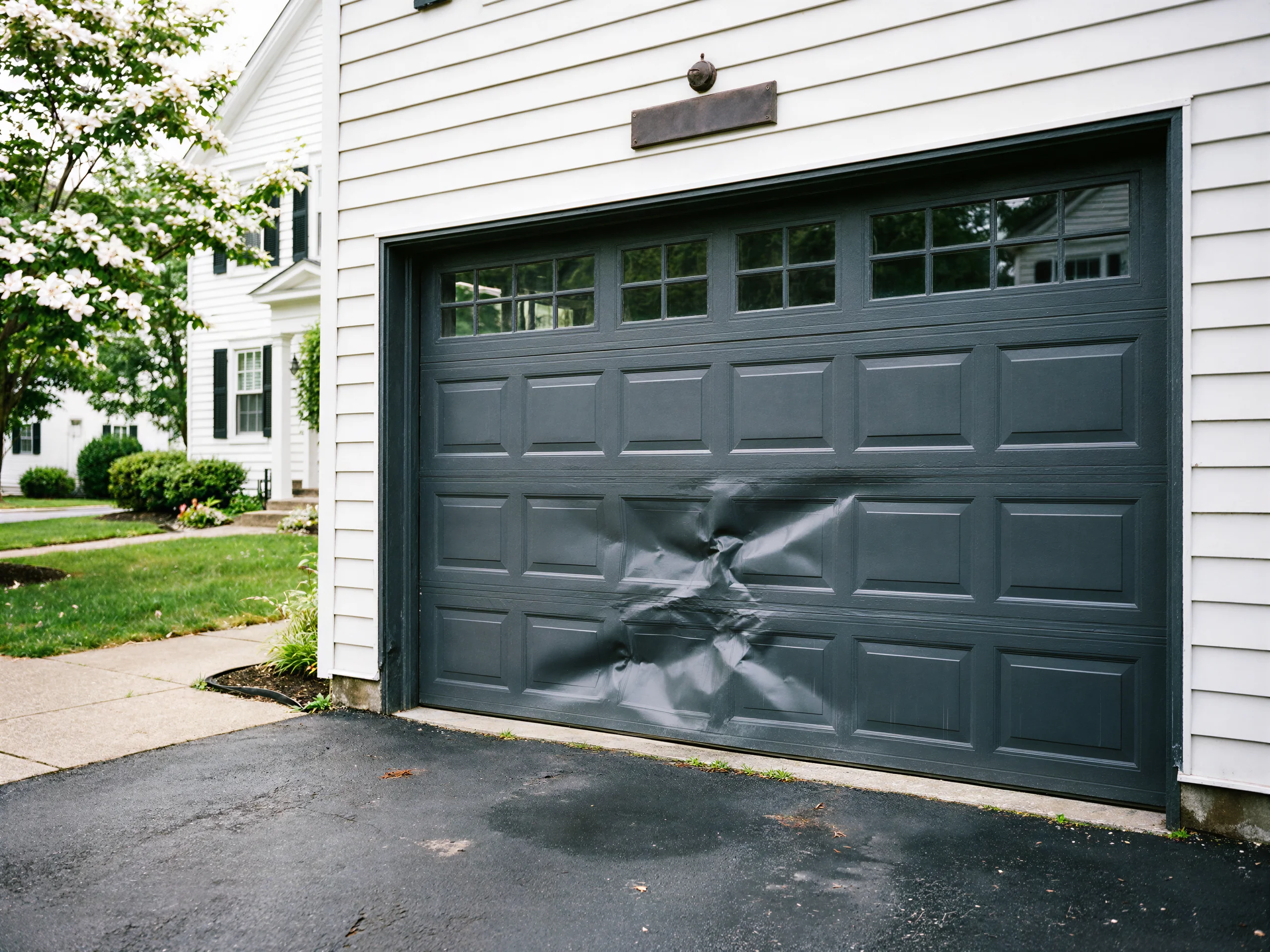
For anything beyond the spring itself - a full door swap, opener work, panel damage - that's covered on our West Haven service page, not here.
DIY or pro
Don't. A wound torsion spring holds enough stored force to break fingers or worse, and that's true whether the spring is five years old or sixty.
You can safely check a few things yourself: look at the spring for a visible gap or separation in the coil, and check whether the cable on either side has gone slack - both are signs it's broken.
What you shouldn't do is try to loosen the winding cone or remove the spring yourself, even with the door manually propped. On a house from the early 1960s, the shaft and bearing hardware holding that spring are often as old as the spring, and they can let go unpredictably once you start working on them.
If the door is stuck down and you need the car out, most openers have a manual release cord - pulling that disconnects the opener, but the door still won't lift safely past a broken spring. Leave it closed and call.
Questions
This area sits in a severe cold climate band, and steel springs contract and stiffen in sustained cold. A spring that's already near the end of its cycle life is more likely to snap on a hard freeze than in warmer months, which is why we see more calls here between late fall and early spring.
If your house dates to around 1961, like much of West Haven's stock, and no one's mentioned a garage door repair before, it's a reasonable bet. A torsion spring rated for roughly 10,000 cycles doesn't usually last sixty years without failing at least once.
No. We run out of New Haven, about 4 miles away, and drive out for every job. There's no separate depot or counter here - just a truck that comes to you.
We don't recommend it. Springs on a double door are usually matched and age together; replacing only one leaves the door unbalanced and puts more strain on the old one, which often fails again within months.
Explore more
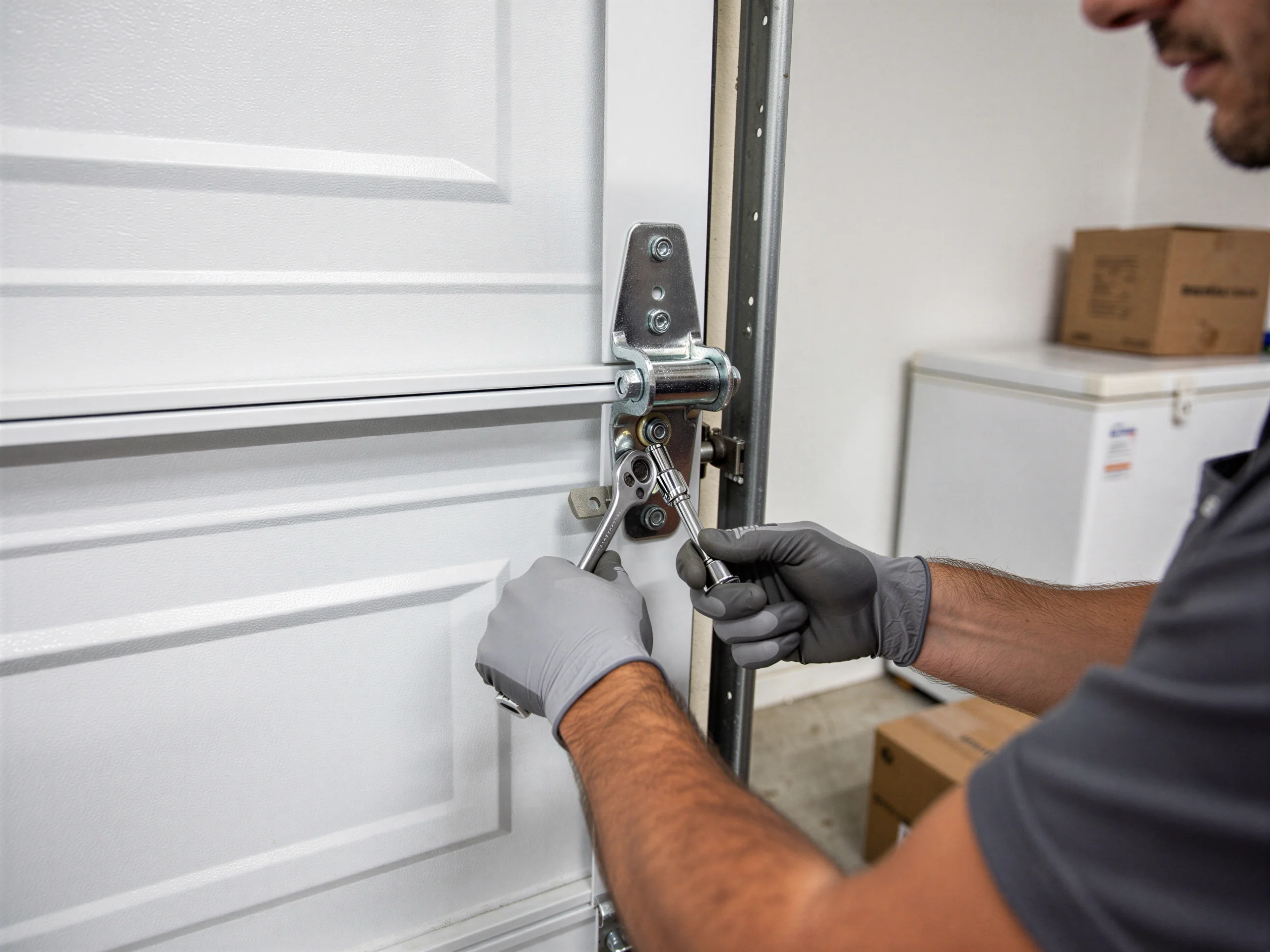
Ready when you are
New Haven Garage Door Pros repairs and installs garage doors, springs and openers in New Haven, CT and the surrounding area.