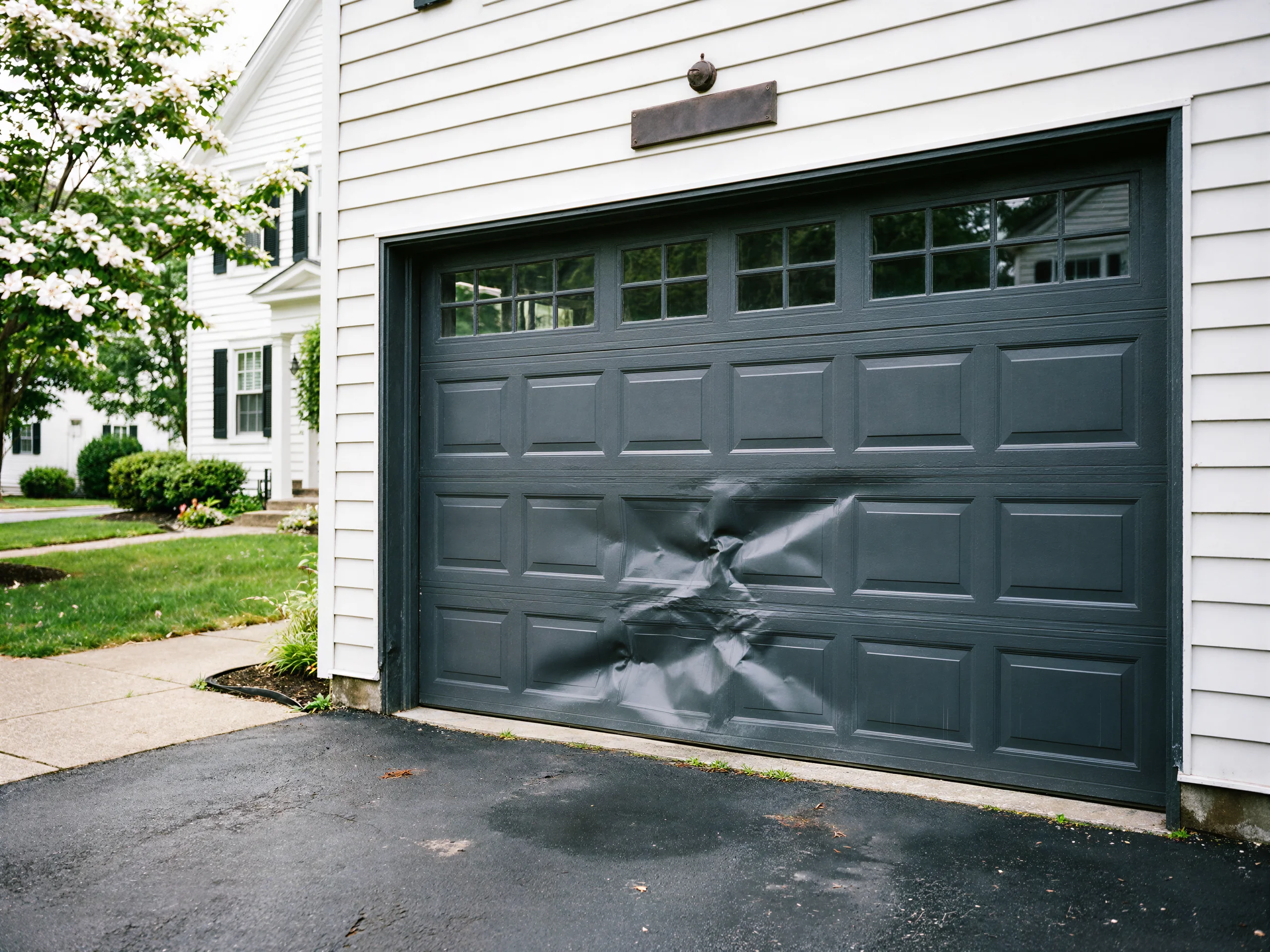
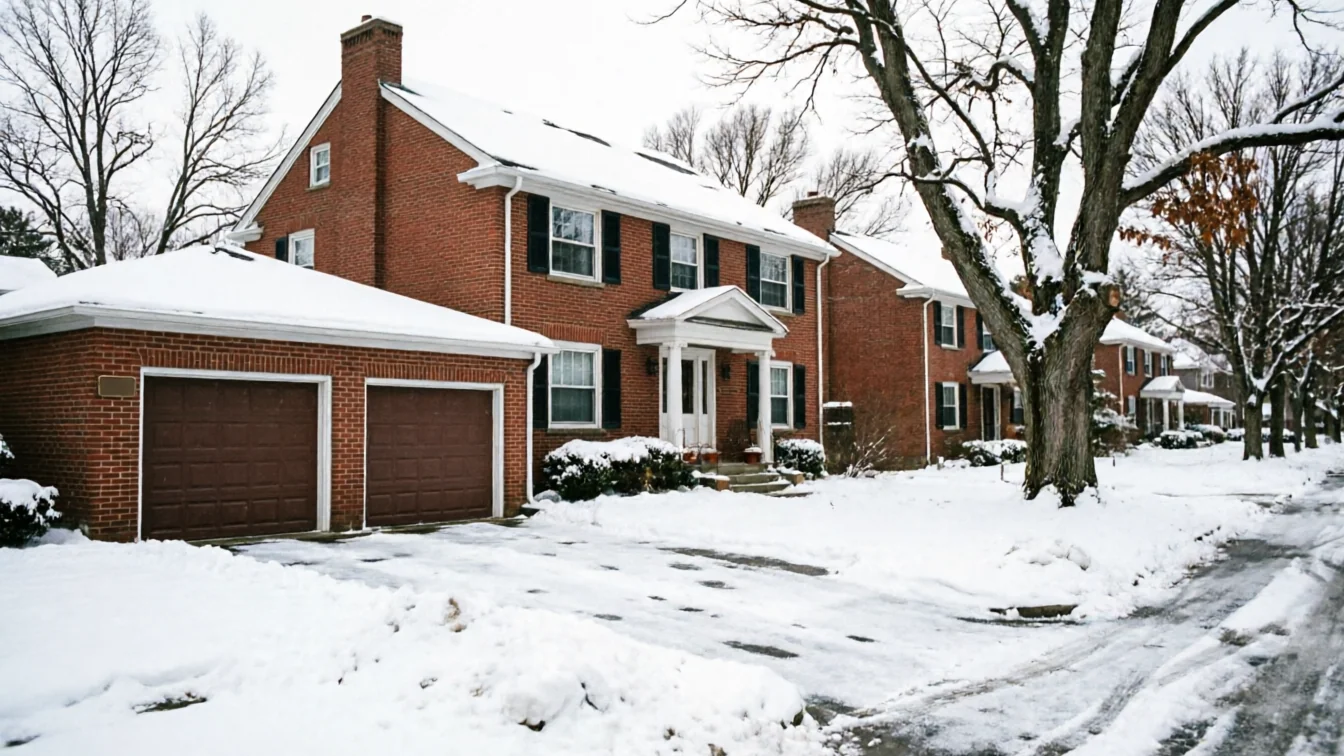
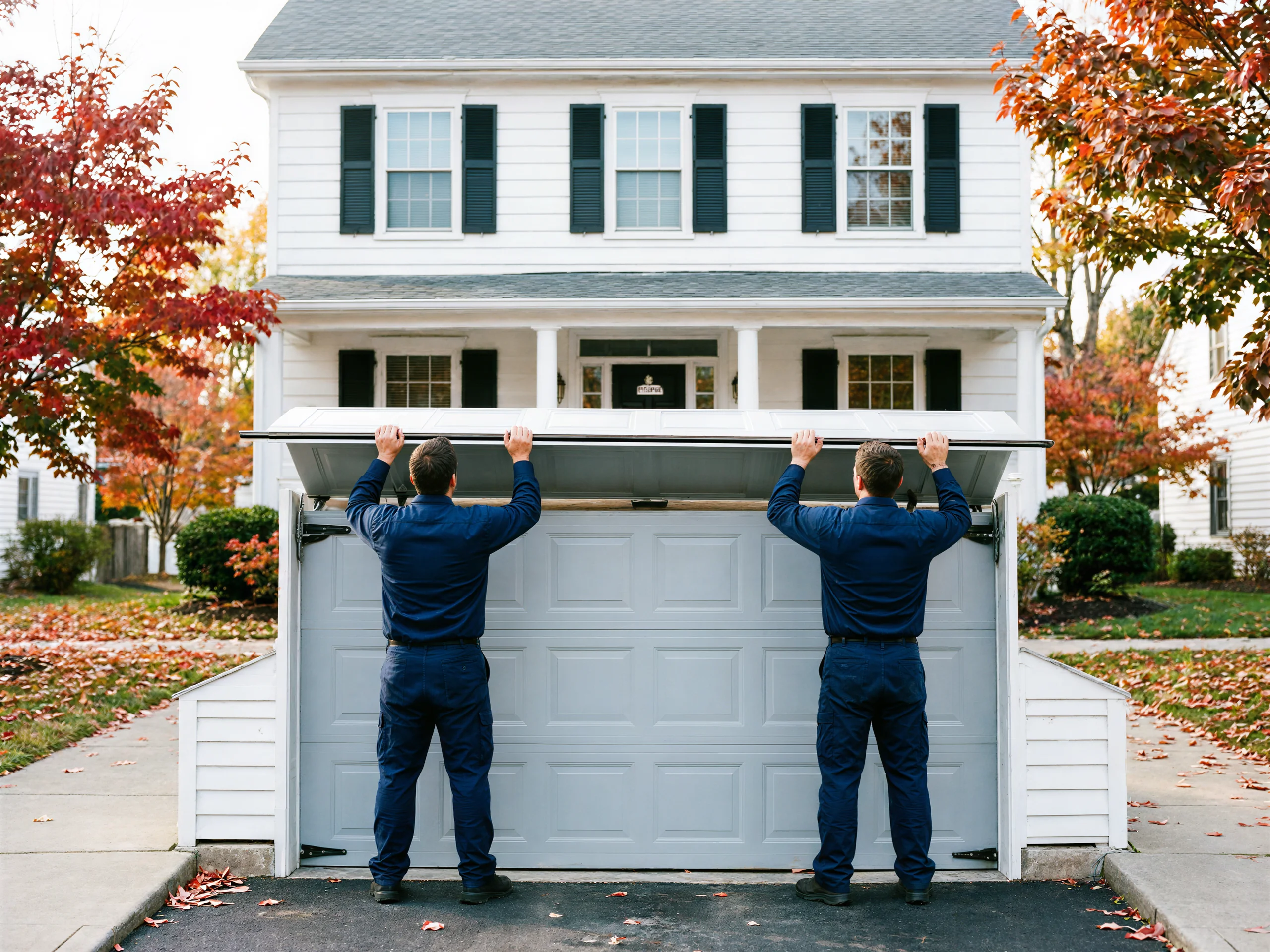
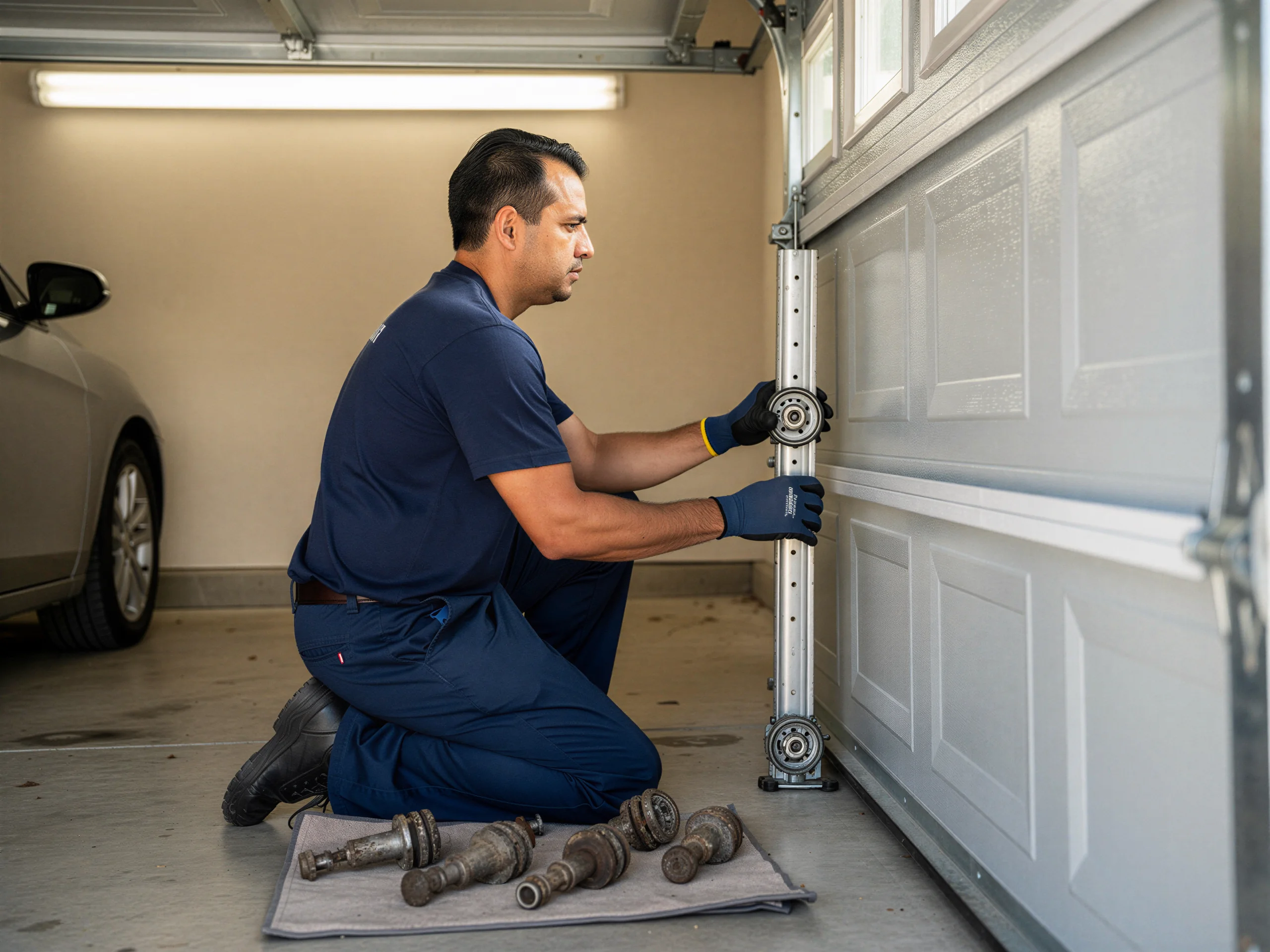
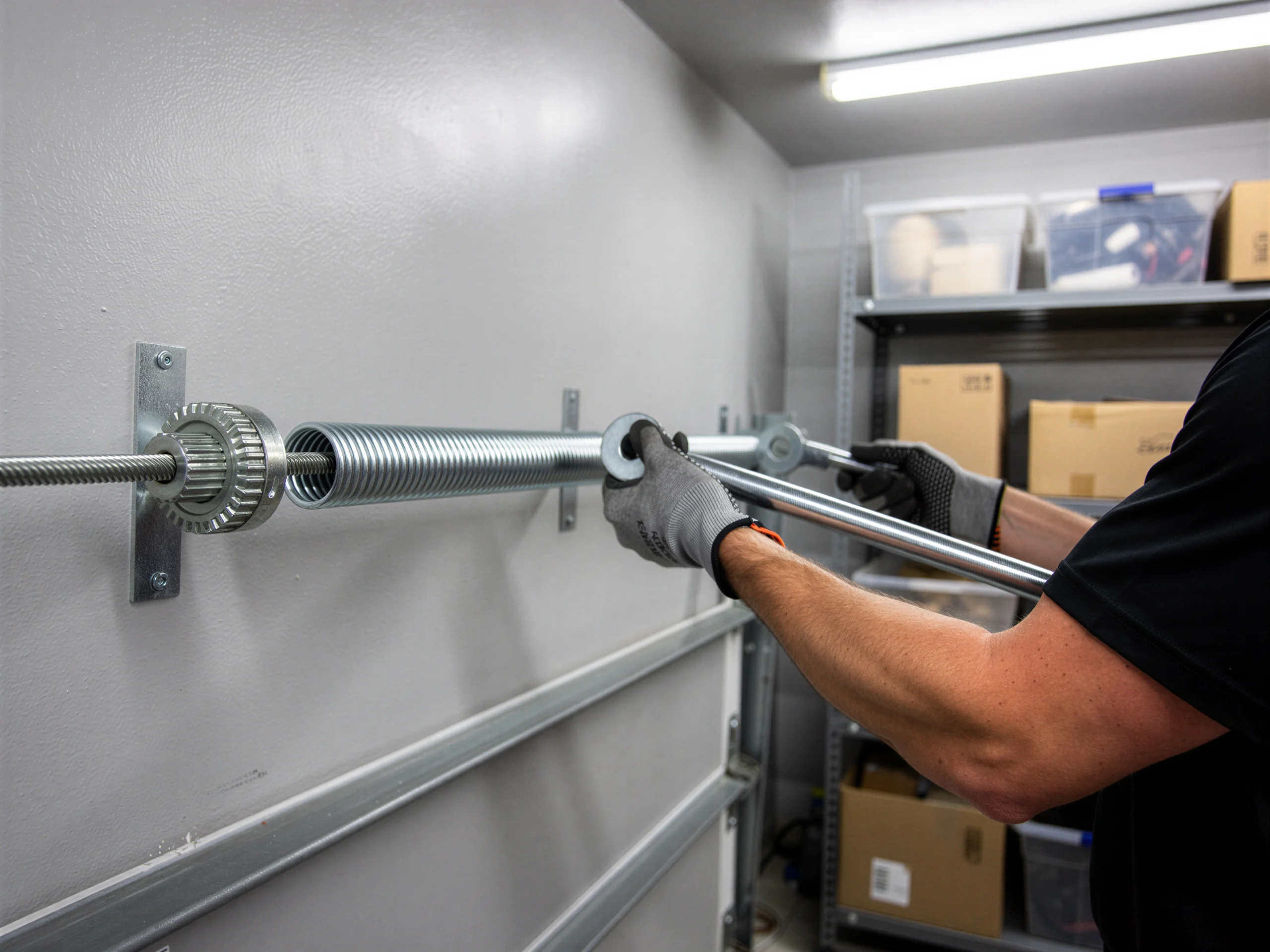
Branford's winters hit the same cold-severe band as the rest of this part of Connecticut, and that matters more on a 1972 door than a newer one. Steel panels from that era are thinner-gauge than what's made now, and decades of freeze-thaw cycling on original hardware leaves the seams more brittle. A car bumper tap that would dent a modern door often cracks or buckles an original panel clean through.
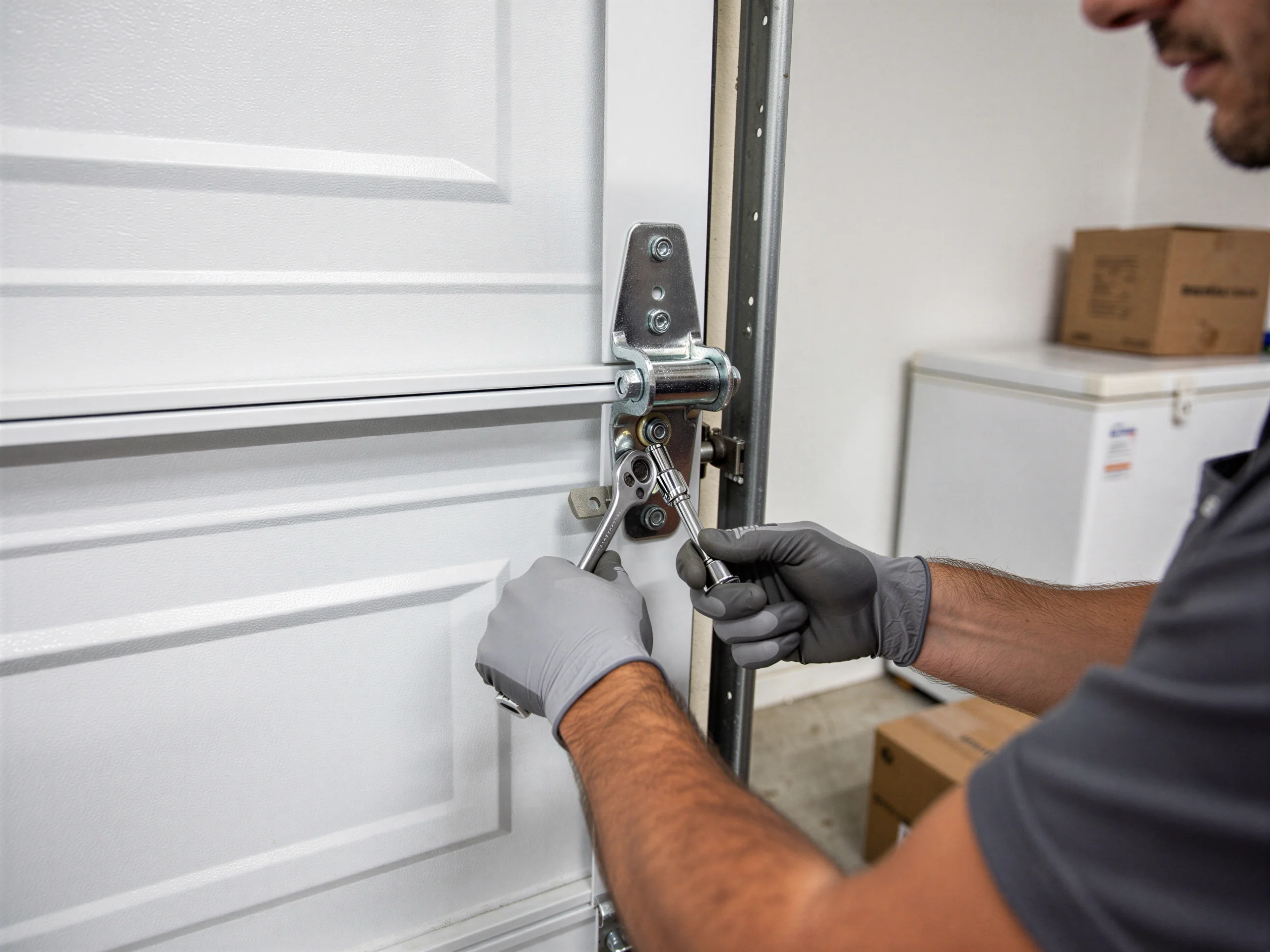
The other common cause is simple fatigue at the hinge points. On a door untouched since 1972, the panel steel around the hinge screws has been flexing for fifty years. Eventually the metal fatigues right at that stress point, independent of any impact at all - you'll see a stress crack running from the hinge hole outward.
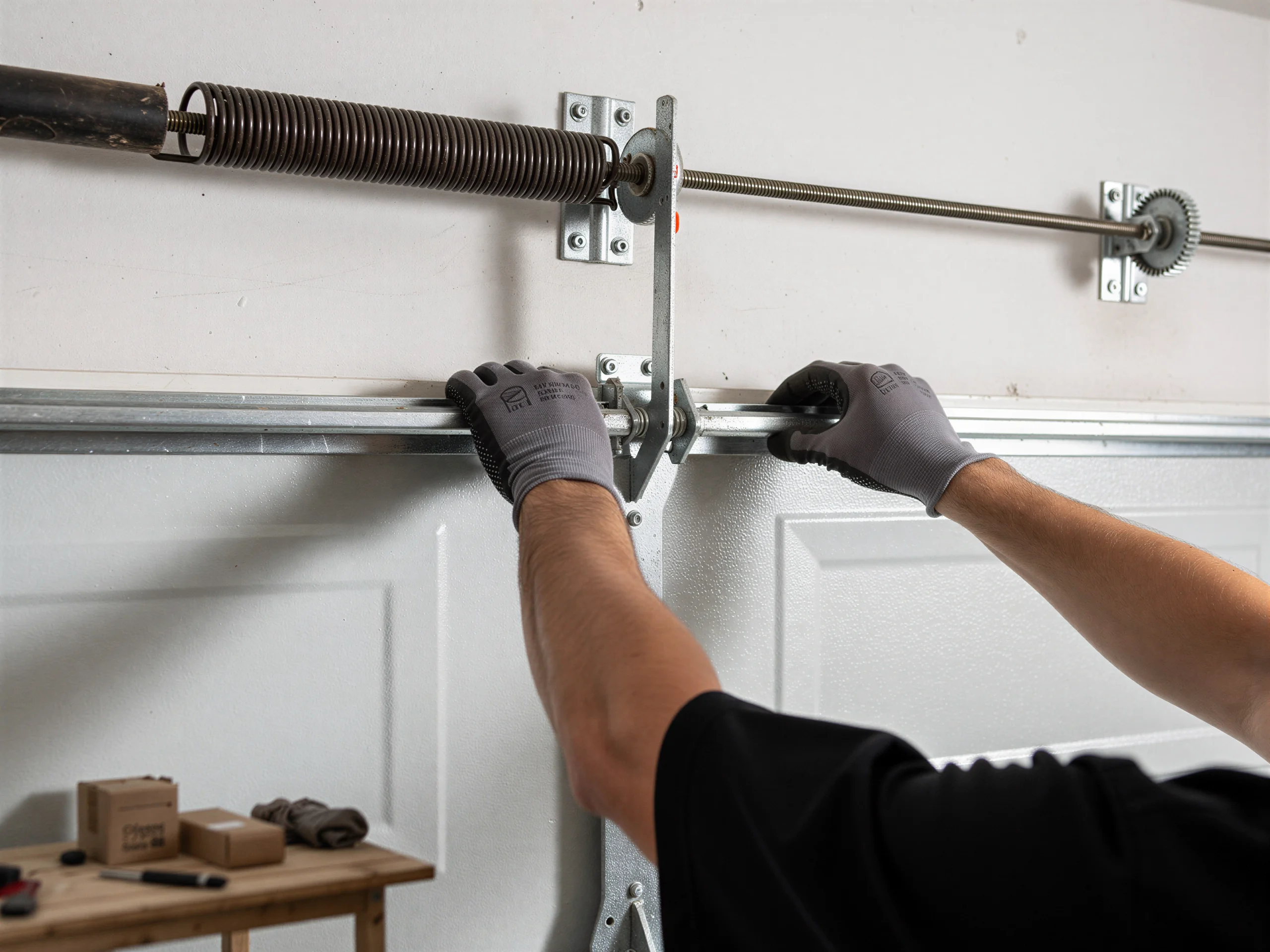
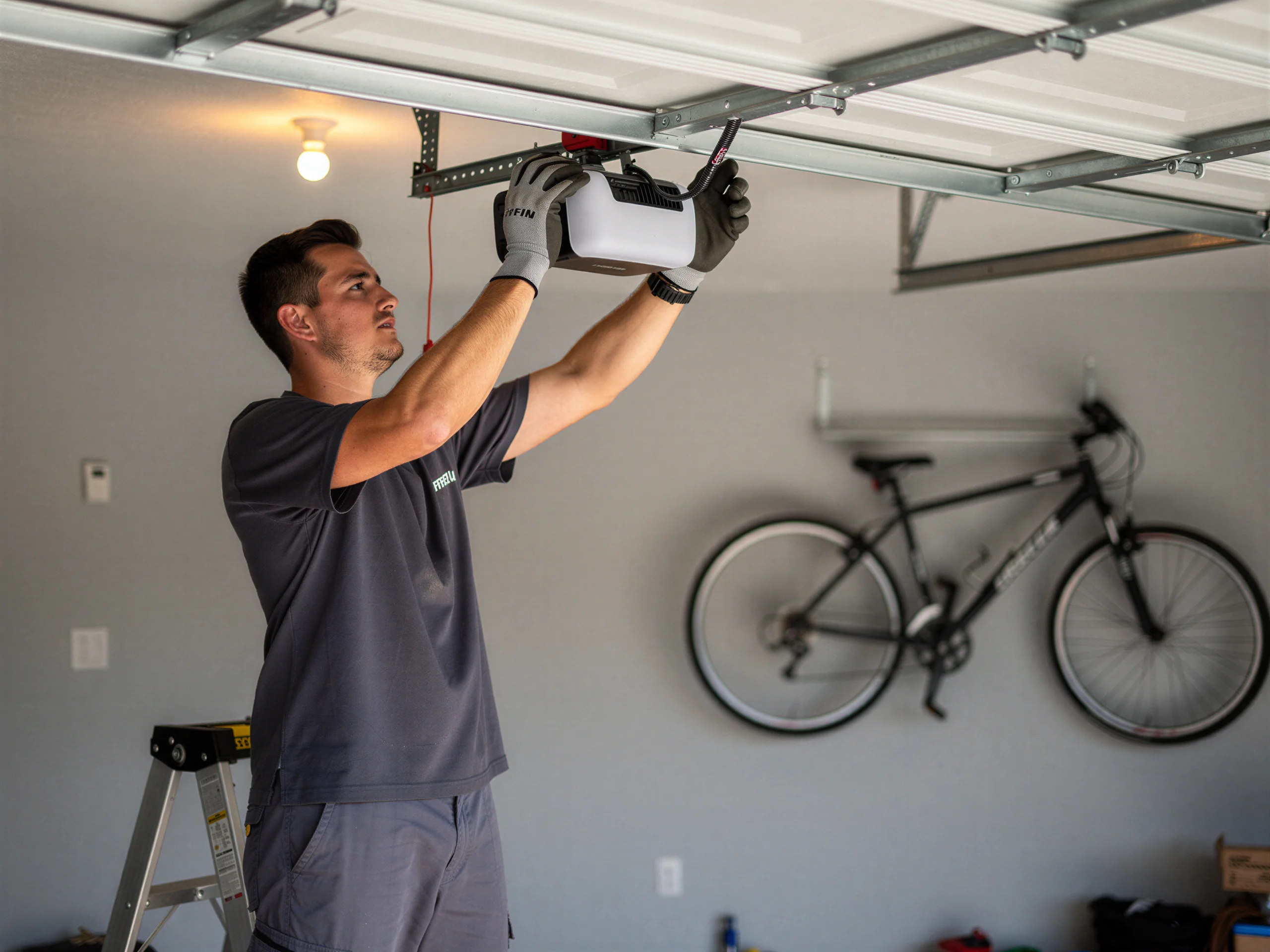
We also see damage from opener force on panels that were never designed for today's stronger opener motors. If someone upgraded the opener on an original door without checking the panel could take the added pull, the weakest section goes first.