New Haven, CTSame-day service/Free estimates/Licensed & insured(475) 203-3810

East Haven, New Haven

Garage Door Maintenance for East Haven's 1966-Era Housing Stock

East Haven homes run older than the service area median - 1966 versus 1972. That six-year gap changes which parts wear out first. Here's the maintenance call for this town specifically.

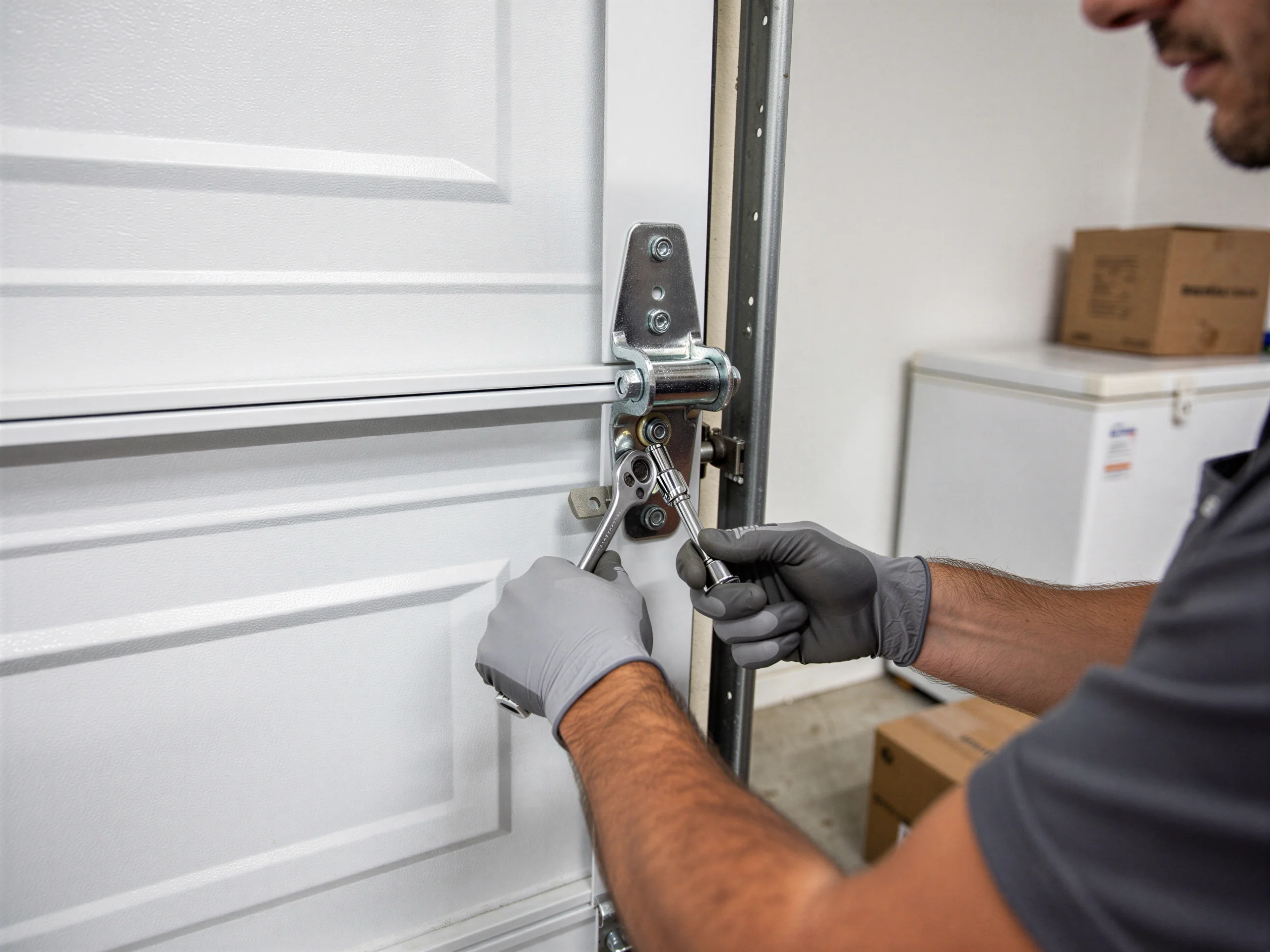
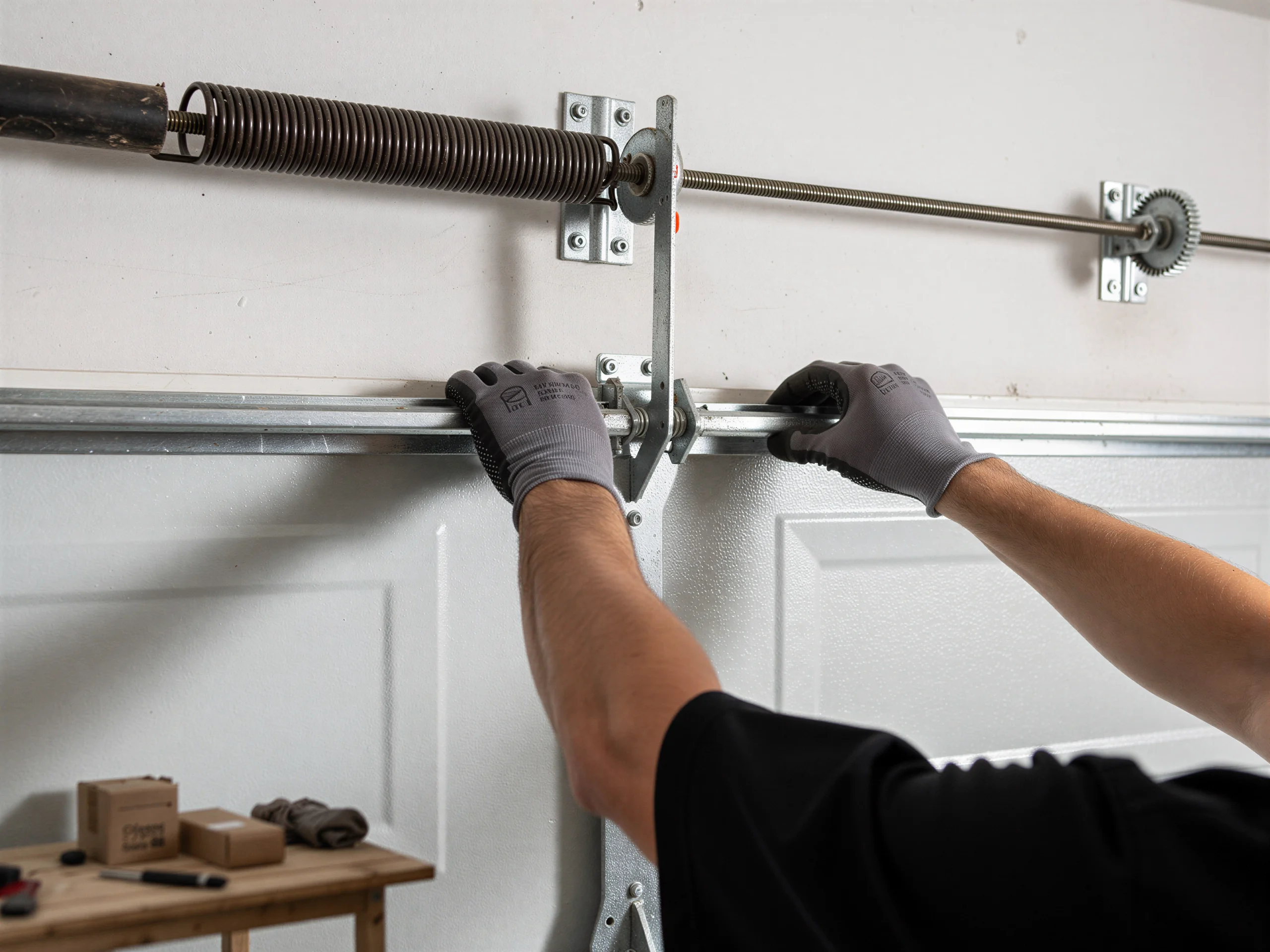
A technician wearing gloves adjusts the top panel of a white garage door.
Same-day serviceTrusted local pros
Serving New Haven, CTBackground-checked techsHonest, upfront pricingFast local response

Warning signs

How It Shows Up

East Haven's housing stock centers on 1966, which puts it a few years ahead of the broader service area's median build year of 1972. That gap matters more than it sounds.

Grease gone to paste

Doors and openers installed in the mid-60s have had an extra half-decade of cold-season cycling, and in a climate band that runs cold and severe, that extra time shows up as brittle weatherseal, grease that's gone to paste inside the torsion spring coils, and hinges that have worked loose from repeated freeze-thaw racking.

Original springs still running

With 11,282 households in East Haven, a good share of them are still running the original spring and cable setup from that era, not because owners are careless but because a torsion spring that hasn't failed yet doesn't get looked at. The failure mode here tends to be sudden: a spring that's been losing tension for years snaps on a cold morning, not a slow degrade you'd notice coming.

Sagging bottom corner panels

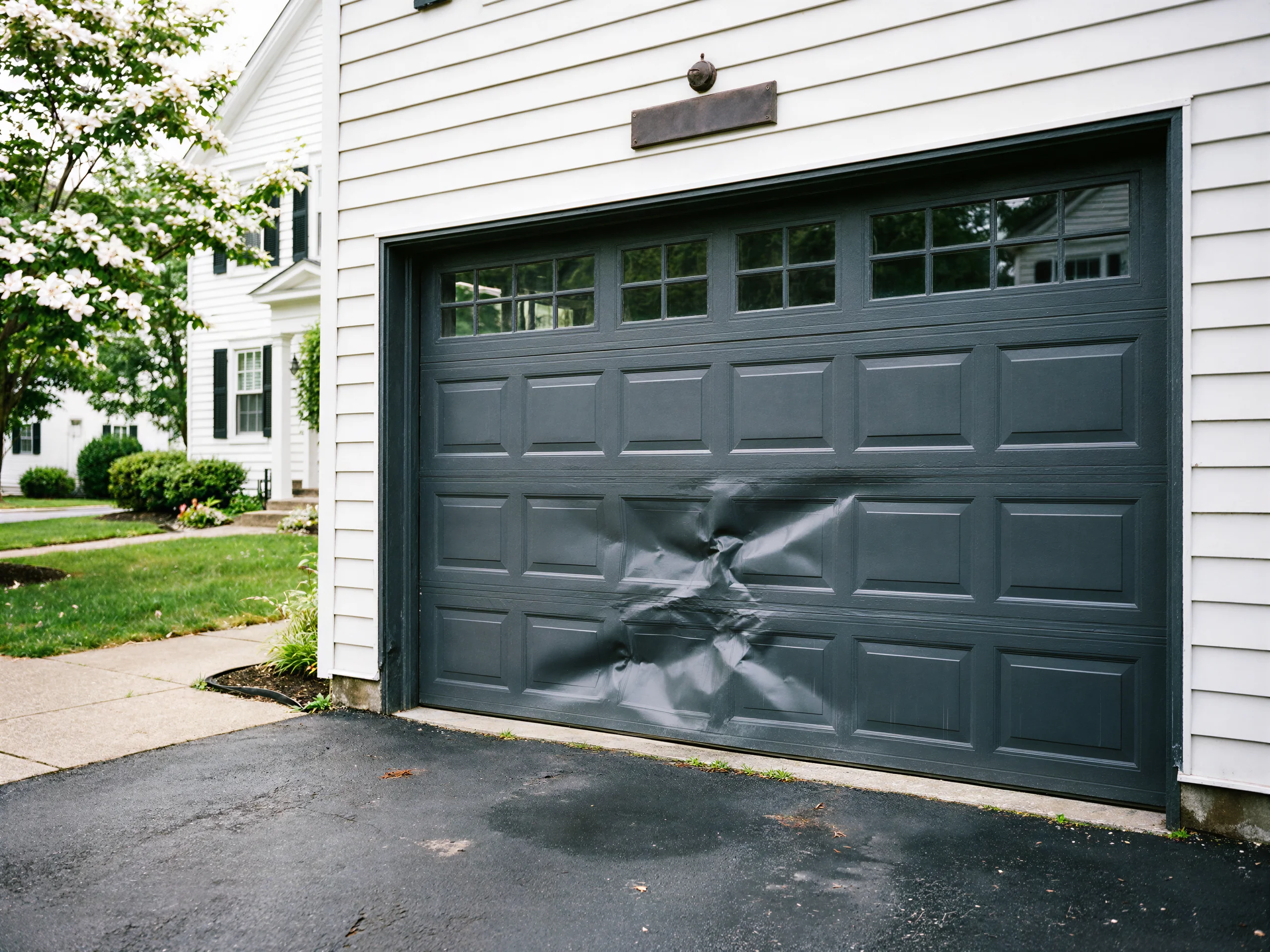
Panels sag at the bottom corner before anything breaks outright, and openers from this vintage start slipping gears long before they die completely. At a median household income of $86,498, well under the wider service area figure of $113,750, we also see more owners waiting on a repair until the door won't open at all, rather than catching the warning signs during a routine check.

Our process

How We Fix It

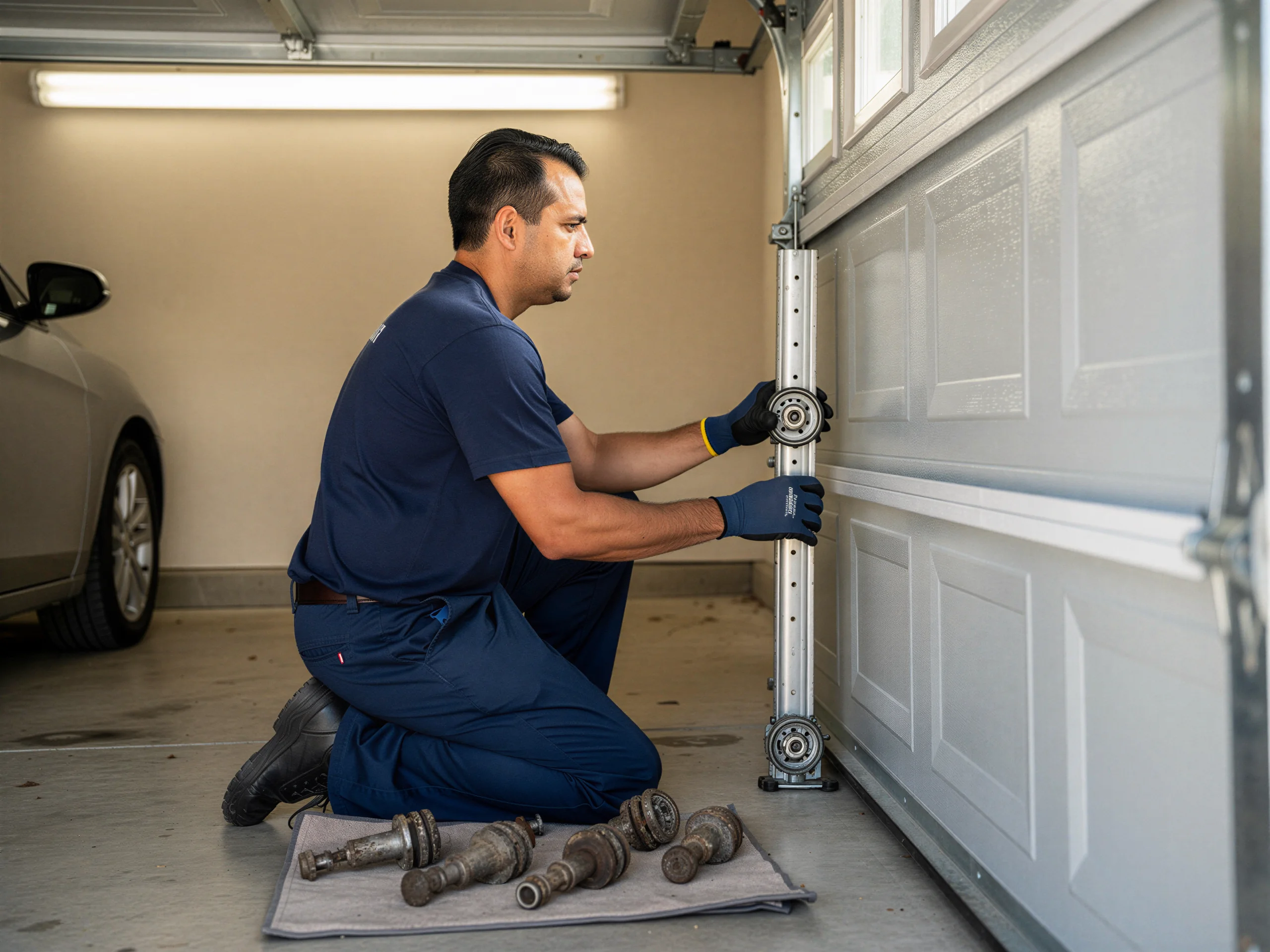
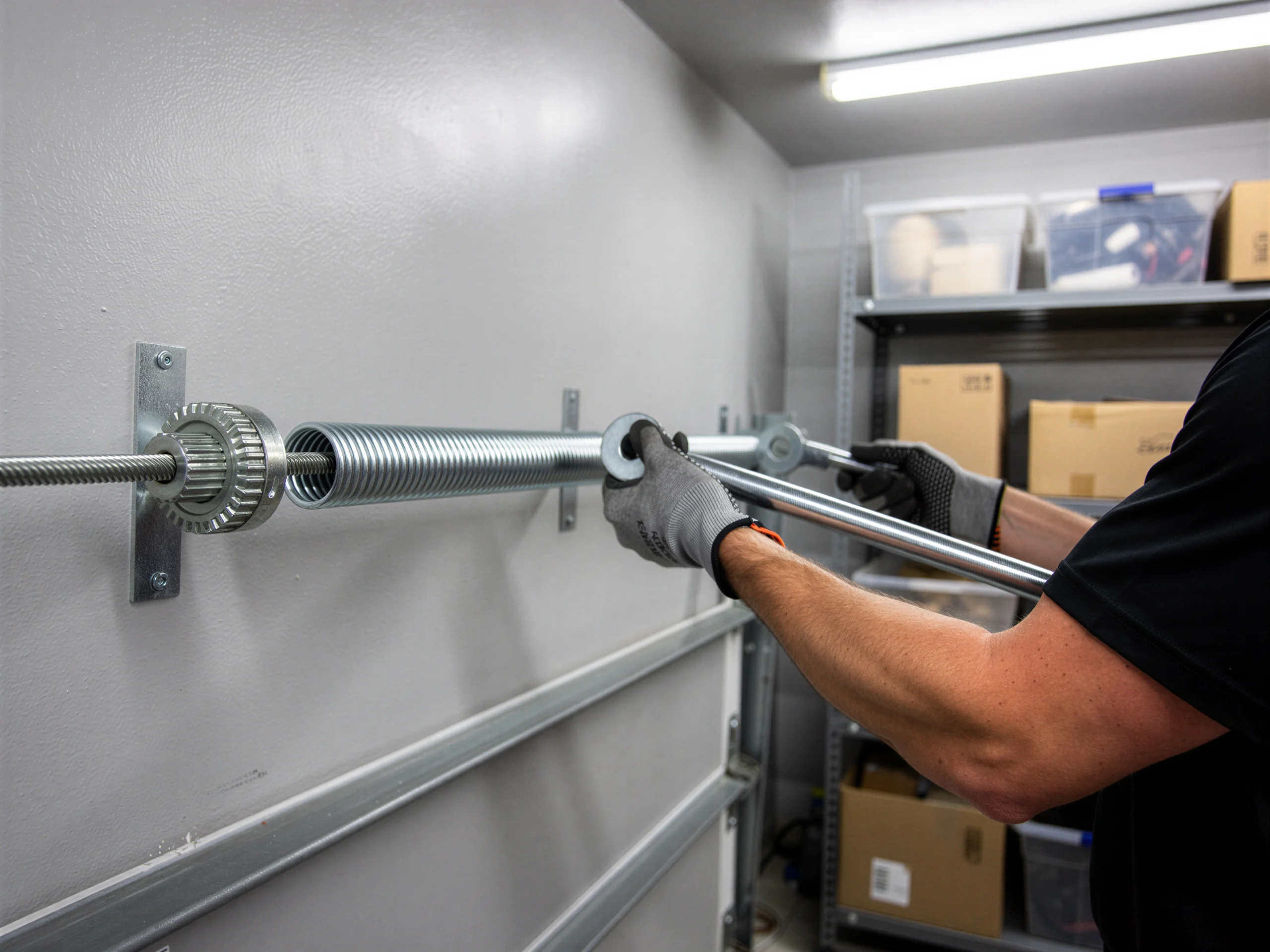
A maintenance visit on a 1966-era door starts with the torsion spring - checking wind count and coil spacing against what the door weighs now, since panels get heavier over decades as insulation gets added or hardware gets swapped piecemeal.

  1. Drum groove cable fraying

    We check the drum setup and cable condition next, since cold-climate cycling is what frays a cable at the drum groove, not age alone. Track alignment gets checked against the original jamb, since houses built around 1966 commonly have settled a bit, and a track that was plumb at installation may not be plumb now.

  2. Bracket and roller stems

    We also check the bottom bracket and roller stems, the parts that take the brunt of a cold start when the lift pulls grease that hasn't moved in months. We lubricate hinges, rollers, and the spring itself with a product built for the swing between a hard freeze and spring thaw, not an all-purpose spray that gums up by February.

  3. Force and travel limits

    Openers get a force and limit check, since COLD-severe cycling is what throws those settings off most - not the age of the opener itself but how many times it's fought a door that's iced shut at the bottom seal. We don't replace parts that aren't failing. If the spring still has useful life, we service it rather than swap it.

Timing

How Long It Takes

A standard maintenance visit on a single door runs under an hour once the tech is on site - checking spring tension, cables, rollers, track alignment, and opener force settings doesn't require pulling the door apart unless something's already failing.

Double-door service time

A double door with heavier torsion springs and two cable drums takes longer to go through properly, closer to ninety minutes. Where it stretches out is when a 1966-era bracket or hinge has corroded past reuse.

Corroded brackets needing parts

Original hardware from that build year isn't always a stock item, and if a bracket needs replacing rather than re-torquing, that can mean a return trip once the part's in hand. We'll tell you on site whether that's likely rather than guess.

Dispatch from New Haven

Since the crew comes from New Haven, four miles out, there's no separate East Haven dispatch - the visit is scheduled the same way any service-area call is, and travel time isn't something we build into the job length. What takes the time is the door, not the drive.

DIY or pro

Doing It Yourself

Visual checks are worth doing between visits, and they don't require tools. Look at the bottom corners of the door for sagging, check that the seal along the floor hasn't cracked or pulled away, and listen for grinding when the opener runs - that's usually a roller or bearing on its way out, not something that fixes itself.

What you shouldn't touch is the torsion spring. It's under enough tension to cause real injury if it lets go while you're working on it, and on a door built in the 1966 era, you often can't tell by looking whether that spring is at the end of its wind life or has years left. That's not a job to learn on your own door.

Lubricating hinges and rollers yourself between visits is fine and genuinely helps in a cold climate - use a silicone-based spray, not household oil, which thins out and attracts grit. Beyond that, if the door is pulling to one side, slamming, or reversing on its own, that's a call, not a DIY afternoon.

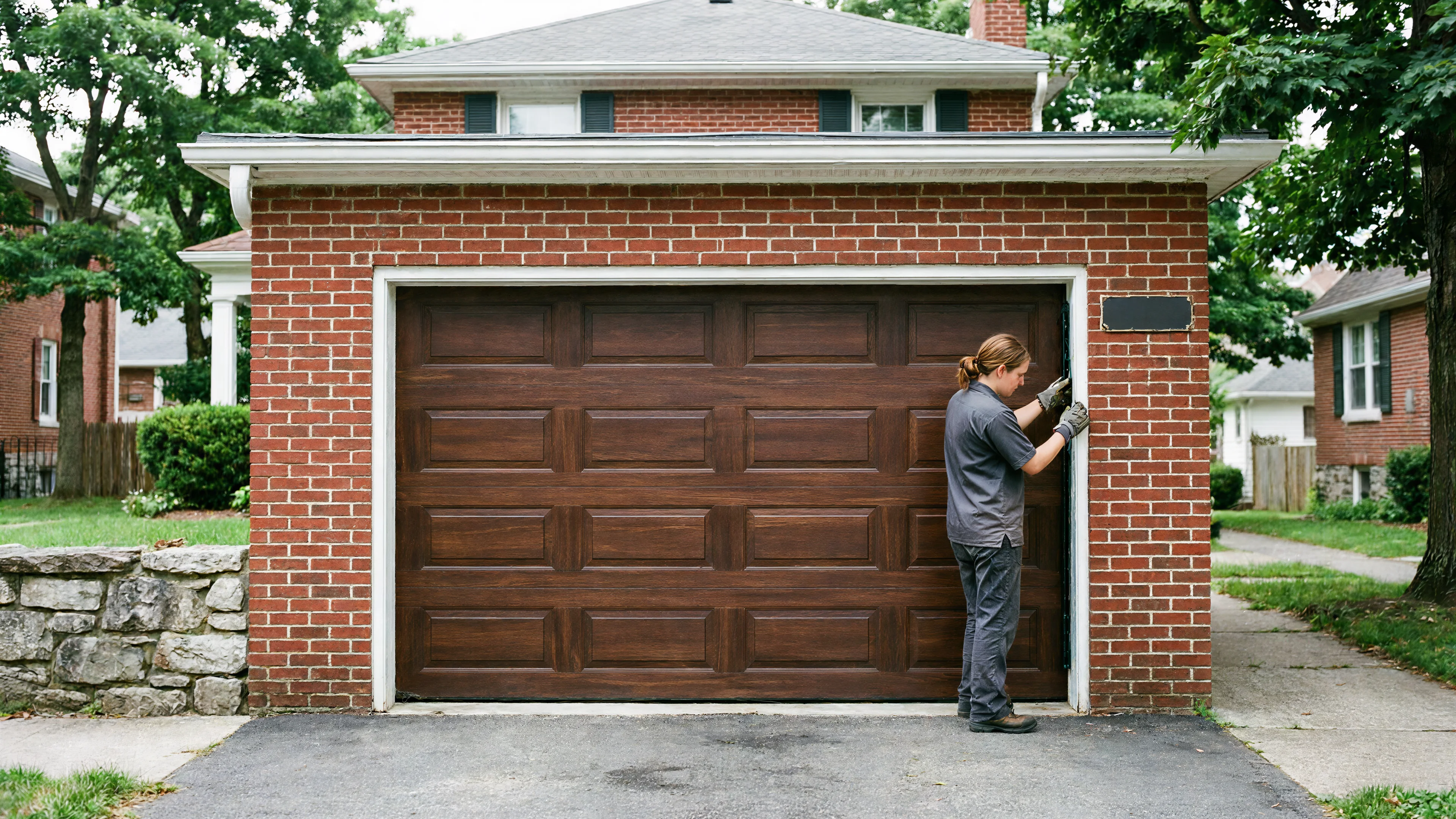
A technician adjusts a brown garage door on a brick house.

Questions

Common questions

Why does East Haven's build year matter for maintenance?

Houses here cluster around 1966, a few years older than the service area's overall median of 1972. That extra age means more original torsion springs, brackets, and cable setups still in service, and those parts have had more freeze-thaw cycles to wear against. It changes what we check first on a visit, not just how old the door looks.

Do you have a crew based in East Haven?

No. The crew works out of New Haven, about four miles away, and covers East Haven as part of the same service area. There's no separate local dispatch or branch here - scheduling and travel work the same as any other town we cover from New Haven.

How often should a door from the 1960s get serviced?

We don't have a fixed interval figure to give you, but doors from this era in a cold climate benefit from a check before winter rather than after something fails. If the door is sagging, slow to open, or the opener is grinding, that's worth a call regardless of when the last visit was.

Will you replace my spring even if it hasn't failed?

Not if it's still within useful life. We check wind count and coil condition and service what's sound rather than swap parts that don't need it. If the spring is close to the end, we'll say so and let you decide whether to replace now or wait.

Ready when you are

Need a garage door sorted in New Haven?

New Haven Garage Door Pros repairs and installs garage doors, springs and openers in New Haven, CT and the surrounding area.

Call Now(475) 203-3810