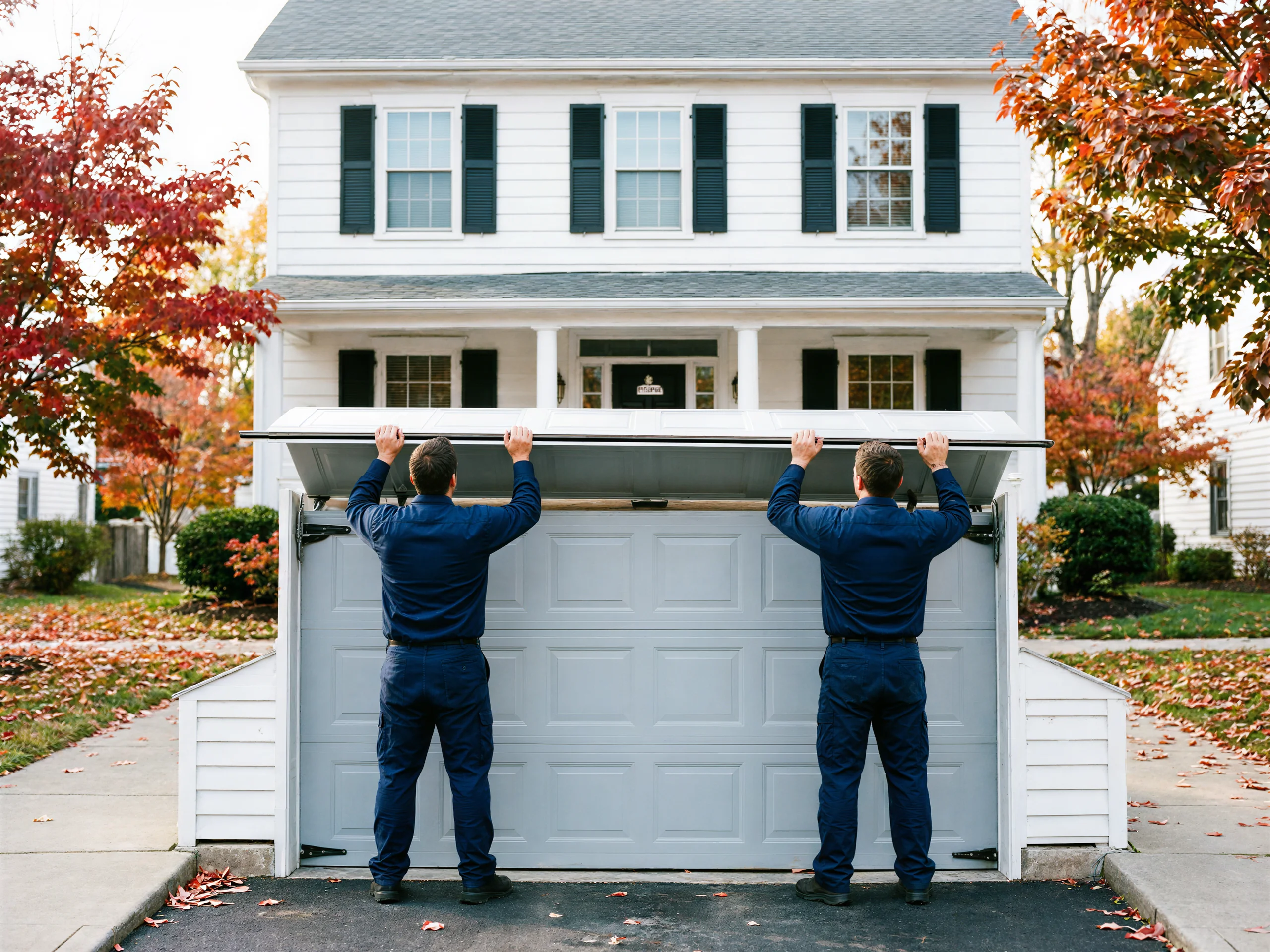
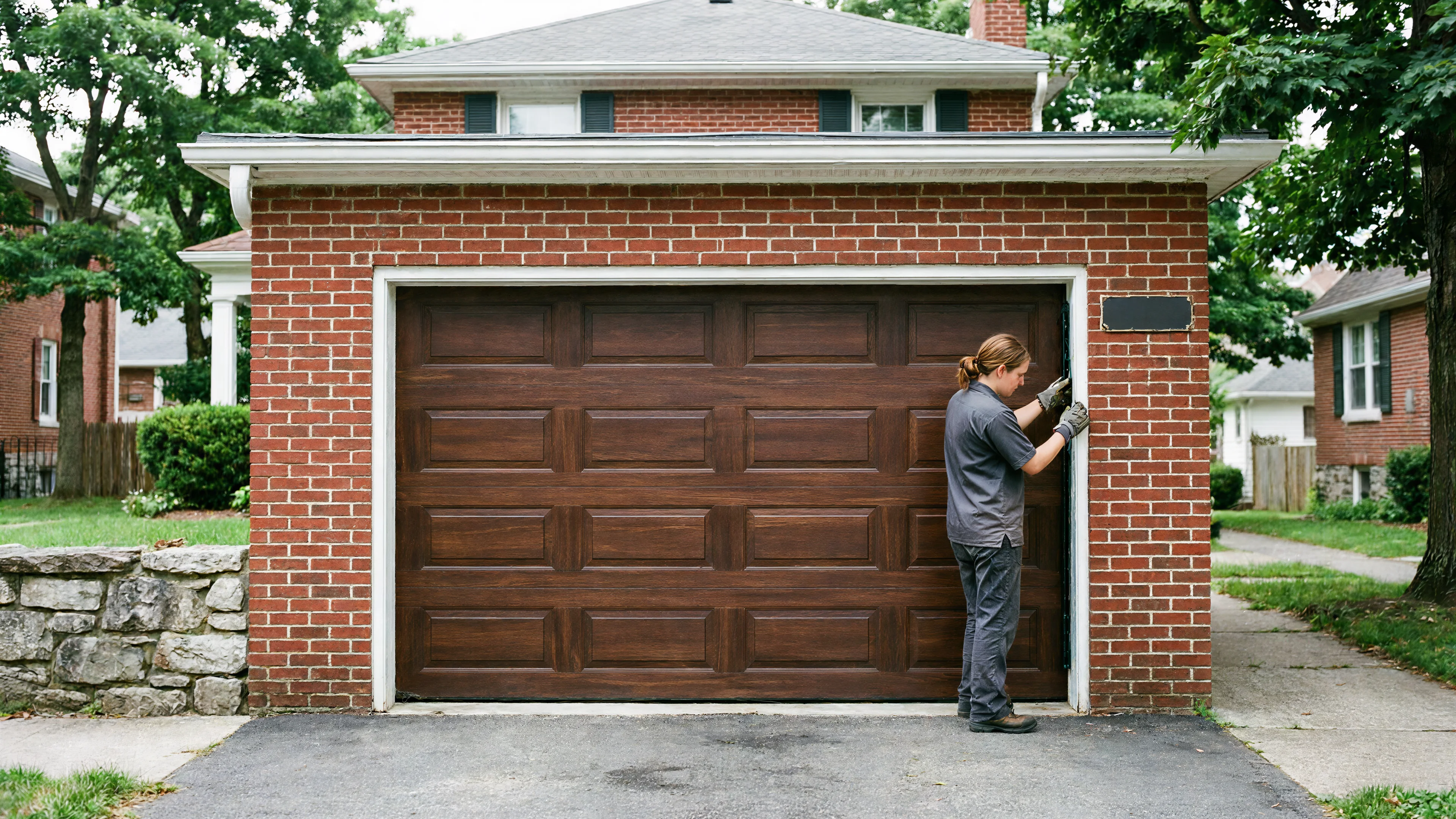
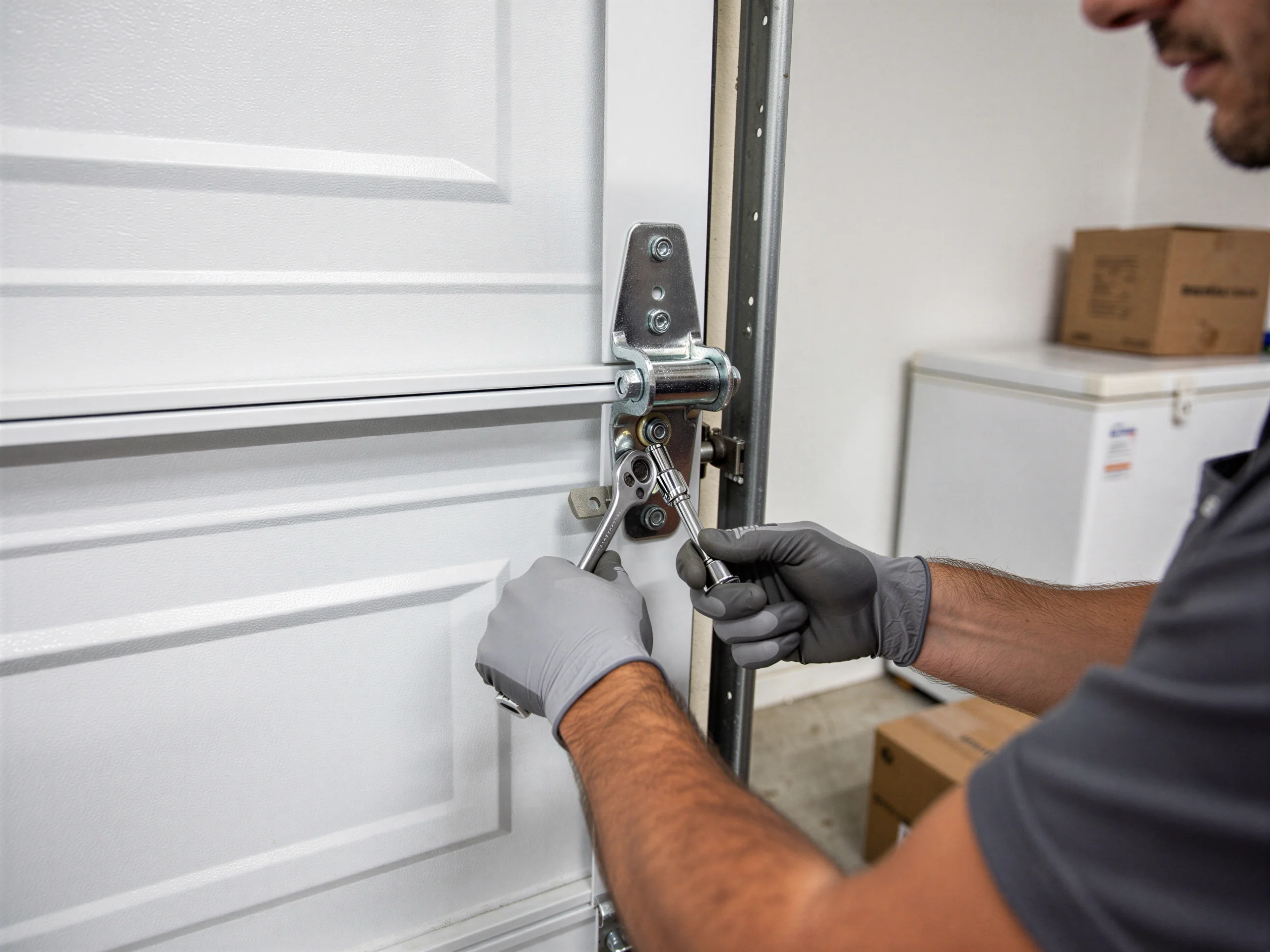
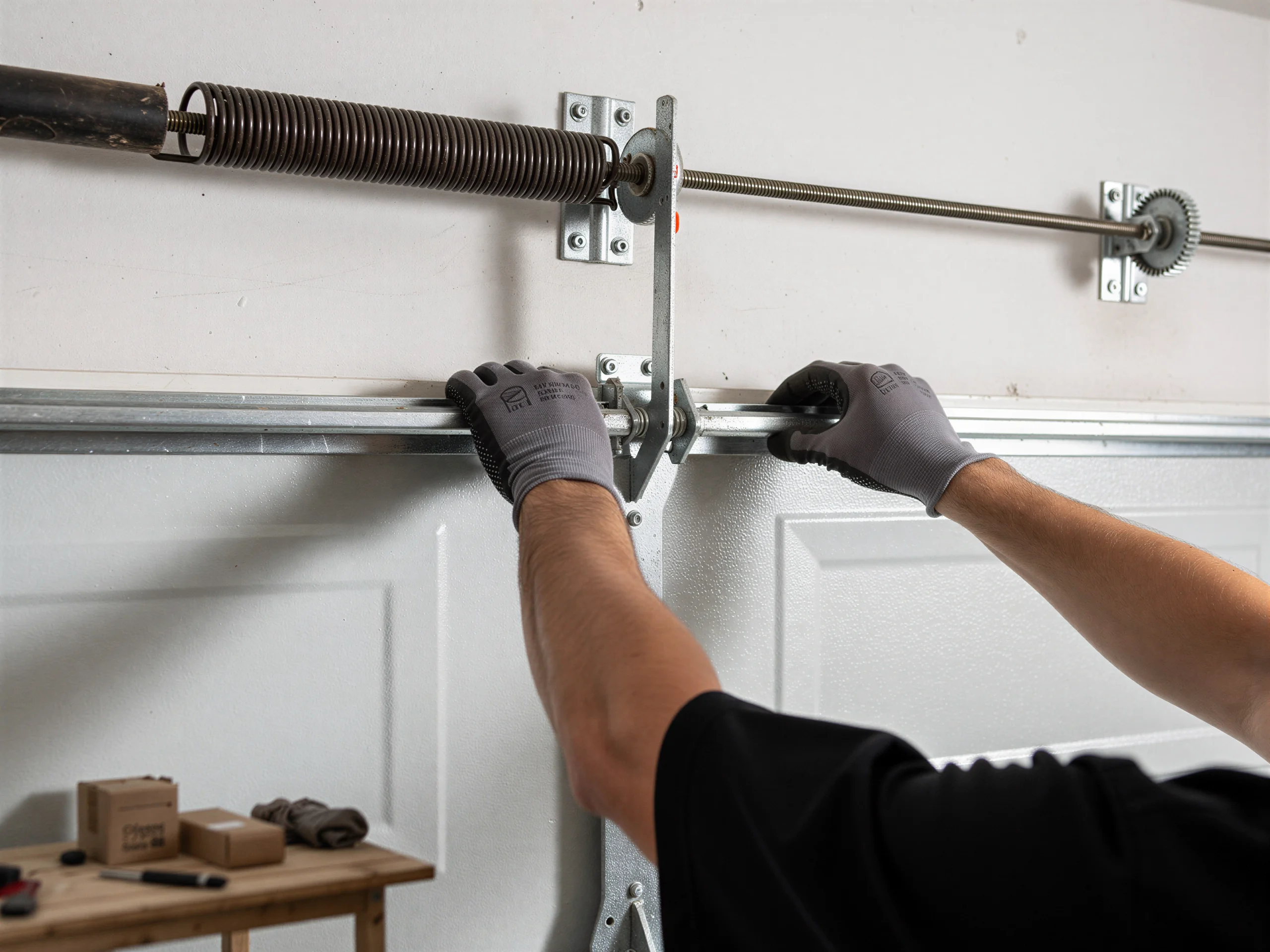
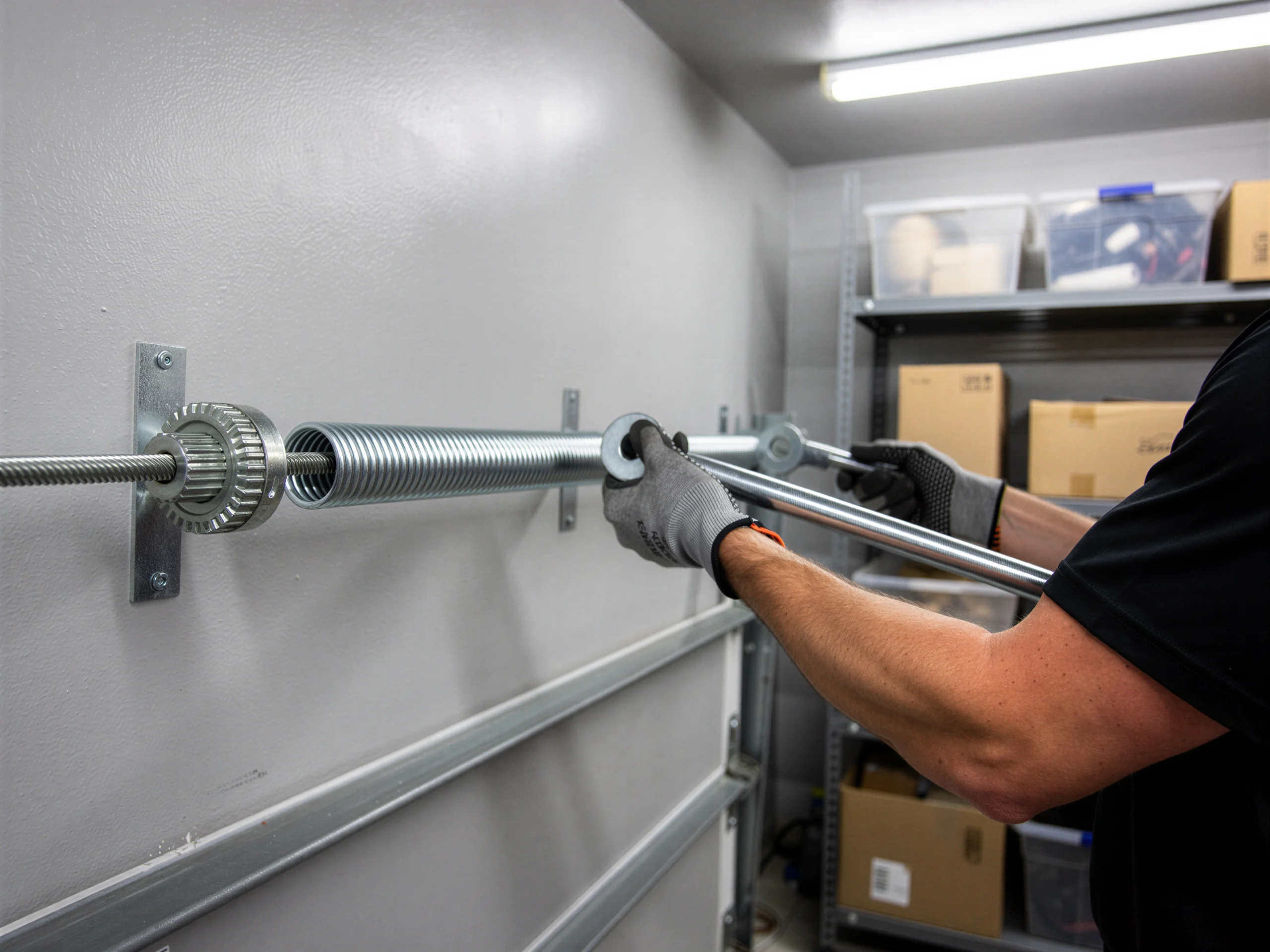
A garage door is one of the heaviest moving objects in most houses, and the torsion spring system that lifts it stores enough force to break a hand or worse if it's released wrong. That's true everywhere, not just here - but it's worth saying plainly before anyone considers doing a full install solo.
What a homeowner can reasonably do: measure the rough opening, note headroom and backroom clearance, and decide on insulation level and color before calling for an estimate. That prep makes the quote conversation faster and more accurate.
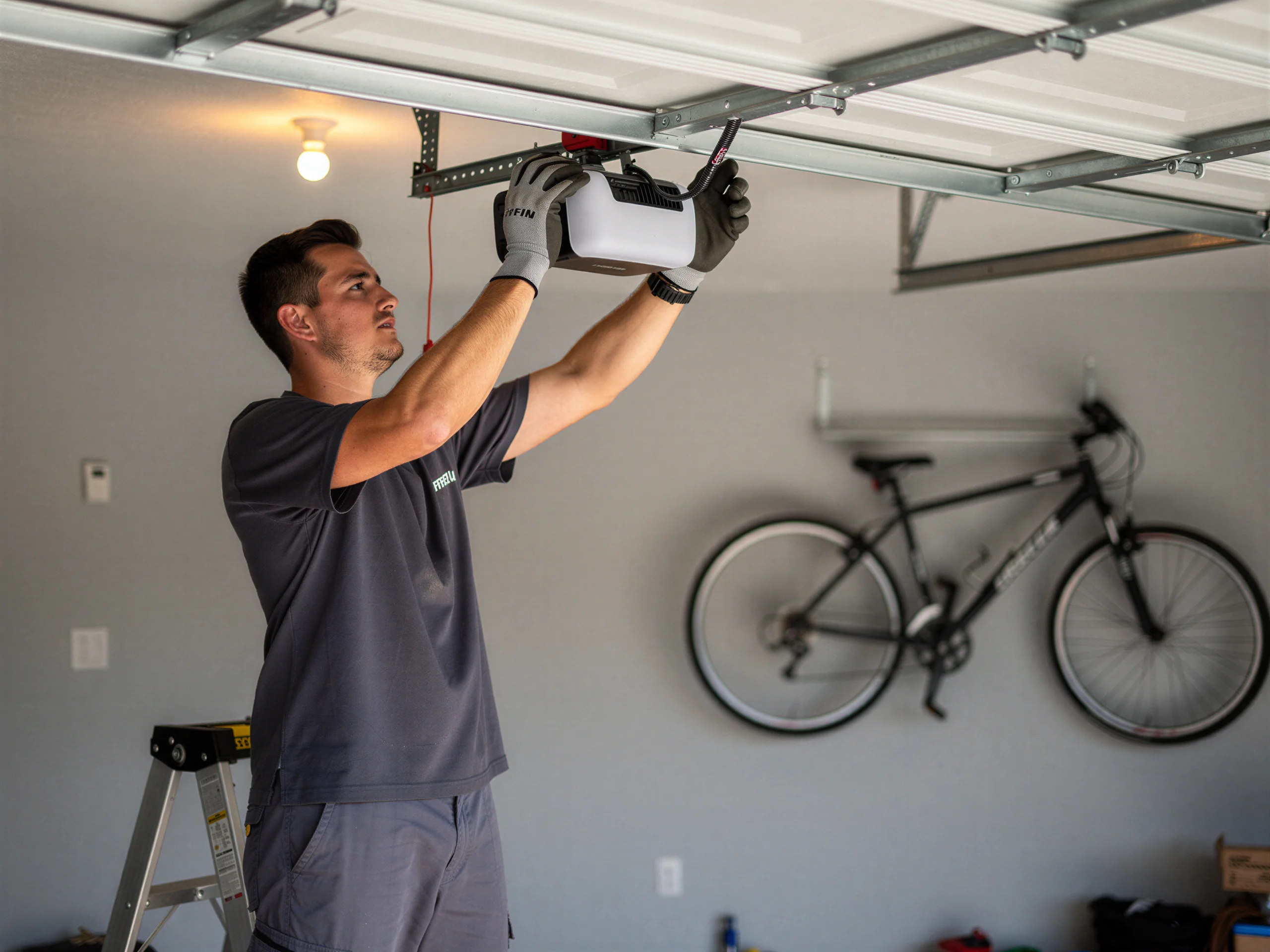
What we'd steer you away from doing yourself: setting the torsion spring tension, squaring the track to the opening, and wiring the opener to work with modern safety sensors. Given the income data for this area, we understand the appeal of a DIY kit to save on labor - but a door installed slightly out of square on a house built in the 1960s, where the framing has had sixty years to settle, is the kind of job that comes back to us anyway, usually as a repair call that costs more than doing it right the first time.