New Haven, CTSame-day service/Free estimates/Licensed & insured(475) 203-3810

East Haven, New Haven

Panel Replacement for East Haven's 1960s Garage Doors

East Haven homes built around 1966 often carry original steel panels on hardware from the same era. We replace sections, matching tracks built for houses 4 miles from New Haven.

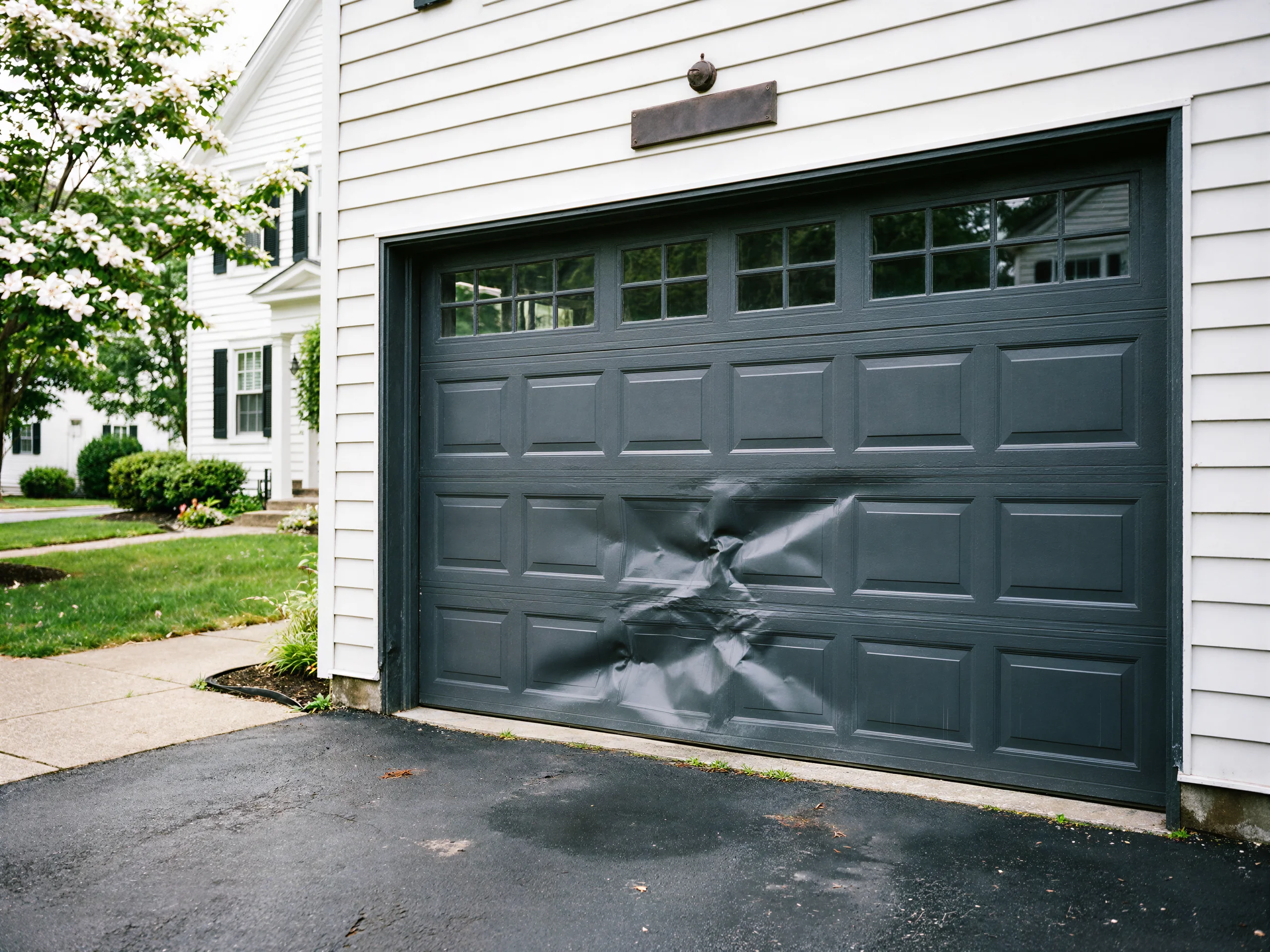
A dark gray garage door with windows has a large dent in the lower left panel.
Same-day serviceTrusted local pros
Serving New Haven, CTBackground-checked techsHonest, upfront pricingFast local response

Warning signs

How It Shows Up

Houses in East Haven cluster around a median build year of 1966, which puts a lot of garage doors here a decade or two past the point where a dented or rusted panel is still worth babying.

Untouched original panel skin

If your door hasn't been touched since the house was built, the panel skin, the hinges, and the track rollers are all original equipment - nobody swapped them out along the way. That matters because a single bent panel on a door this old isn't a simple bolt-off, bolt-on fix.

Obsolete panel spacing

The track width, the hinge spacing, and the roller stems were sized to a panel profile that most manufacturers stopped making years ago. What we see most in this area is damage on the bottom section - a car bumper tap, a plow clip, road salt working into a seam until the steel gives out from the inside.

Rust creeping from scratches

Because East Haven's winters sit in a cold, severe climate band, that rust problem compounds: moisture gets into a scratched panel edge, freezes, and widens the gap by spring. A panel that looked cosmetic in November can be structurally soft by March.

Panel swap versus waiting

With 11,282 households in East Haven and a median income of $86,498 - noticeably below the wider service area's $113,750 - a lot of homeowners here are weighing a panel swap against waiting another season. That's a real trade-off, and we'll tell you honestly which way it leans once we've seen the door.

Our process

How We Fix It

Panel replacement only works if we can match or adapt to what's already on the door. For a door built around 1966 vintage hardware, that usually means ordering a panel section built to the original width and groove pattern, or in some cases retrofitting a modern section onto older track - which takes shimming the hinges and sometimes re-drilling roller brackets to line up.

  1. Flush fit before finishing

    We don't force a mismatched panel onto a door and call it done; a panel that doesn't sit flush will bind the rollers and wear out the opener's gears inside a year. Before we order anything, we check the rest of the door: springs, cables, and the track itself.

  2. Separate spring flags

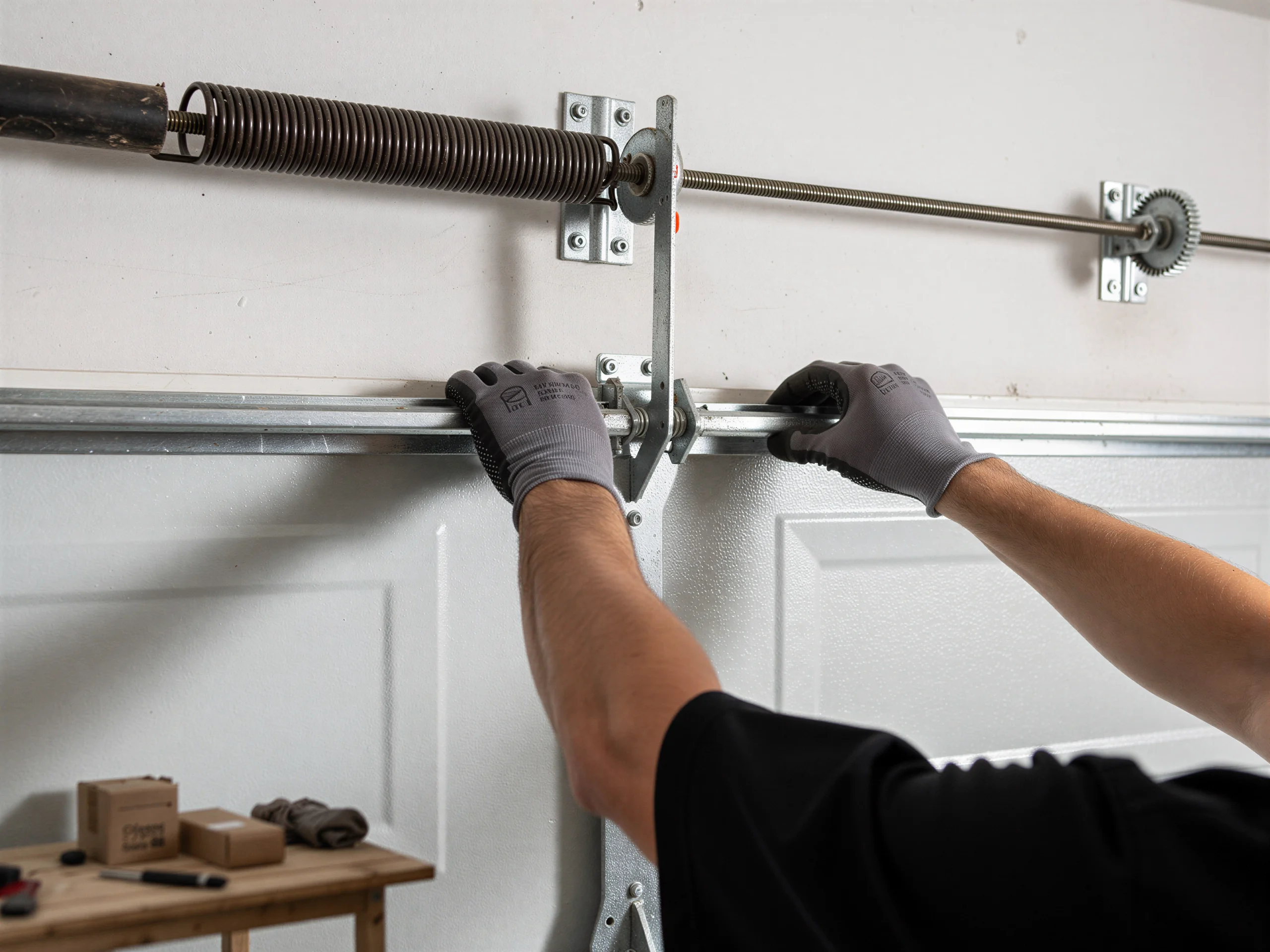
    On a door this old, it's common to find a spring that's a few years from failing on its own, even if the panel is the only visible complaint. We'll flag that separately rather than bundle it in - you decide what gets done and when.

  3. Ordering panels to match

    We travel in from New Haven, about 4 miles away, so there's no local branch stock sitting on a shelf in East Haven. Panels get ordered to match your door's make and section height, and we install once the part is in hand.

Timing

How Long It Takes

A single-panel swap on a standard door, once the part is on-site, is usually a one-visit job - a couple of hours covers removing the damaged section, transferring hardware, and reseating the track. The wait is almost always on the panel itself, not the install. Steel sections for doors from the 1960s-70s building stock that's common across this area aren't always a same-day order; if your door uses a discontinued profile, sourcing the right match can take longer than the repair.

We'll tell you the lead time as soon as we've identified the panel, not after we've already scheduled you. If the wait is long enough that driving on a cracked or bowed panel isn't safe, we'll talk through a temporary option rather than leave you guessing.
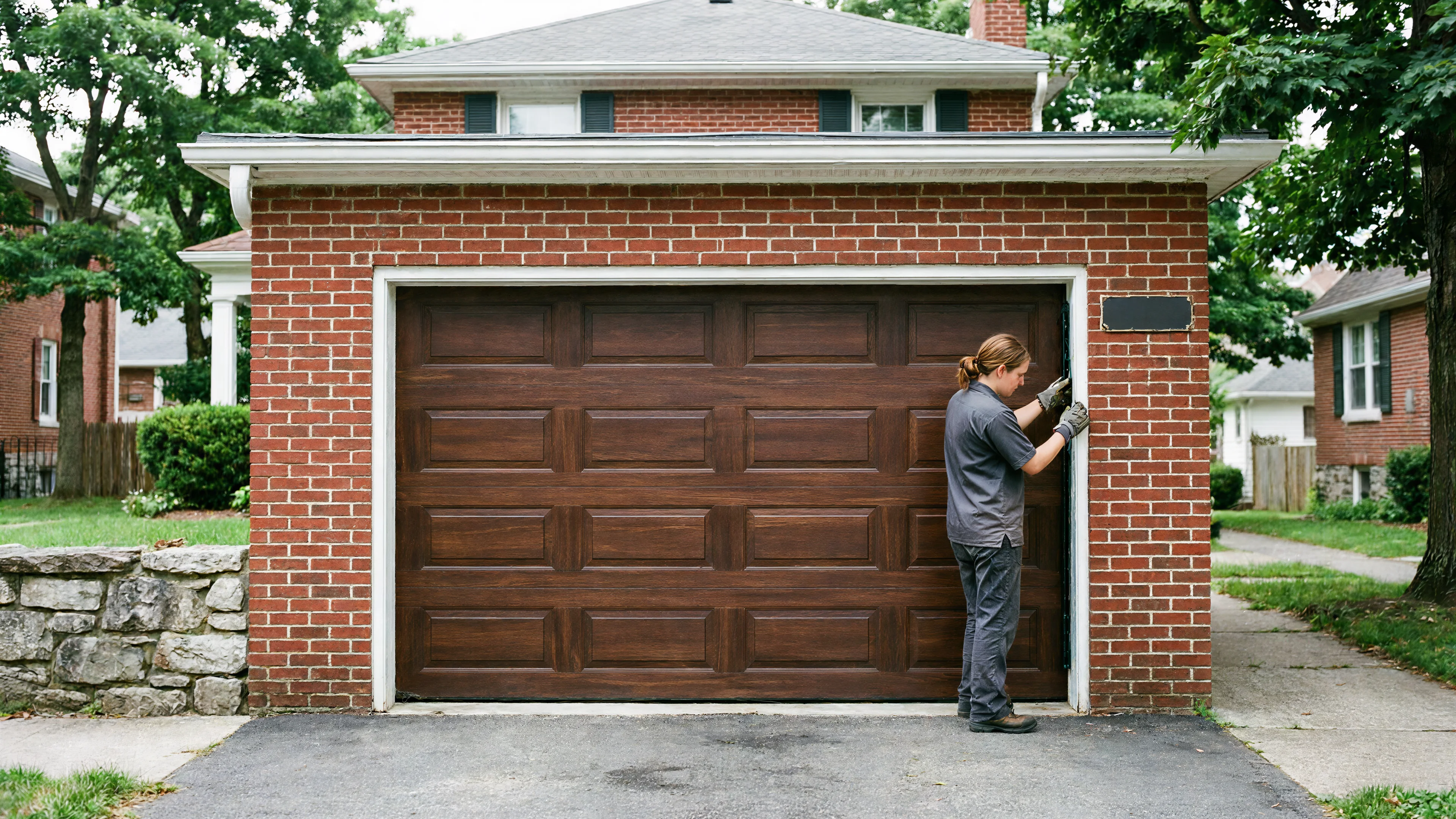
A technician adjusts a brown garage door on a brick house.

DIY or pro

Doing It Yourself

Swapping a single garage door panel is within reach for someone comfortable with a socket set and patient about hardware, but it's not a quick weekend fix on a door this old.

Rusted hinges and brackets

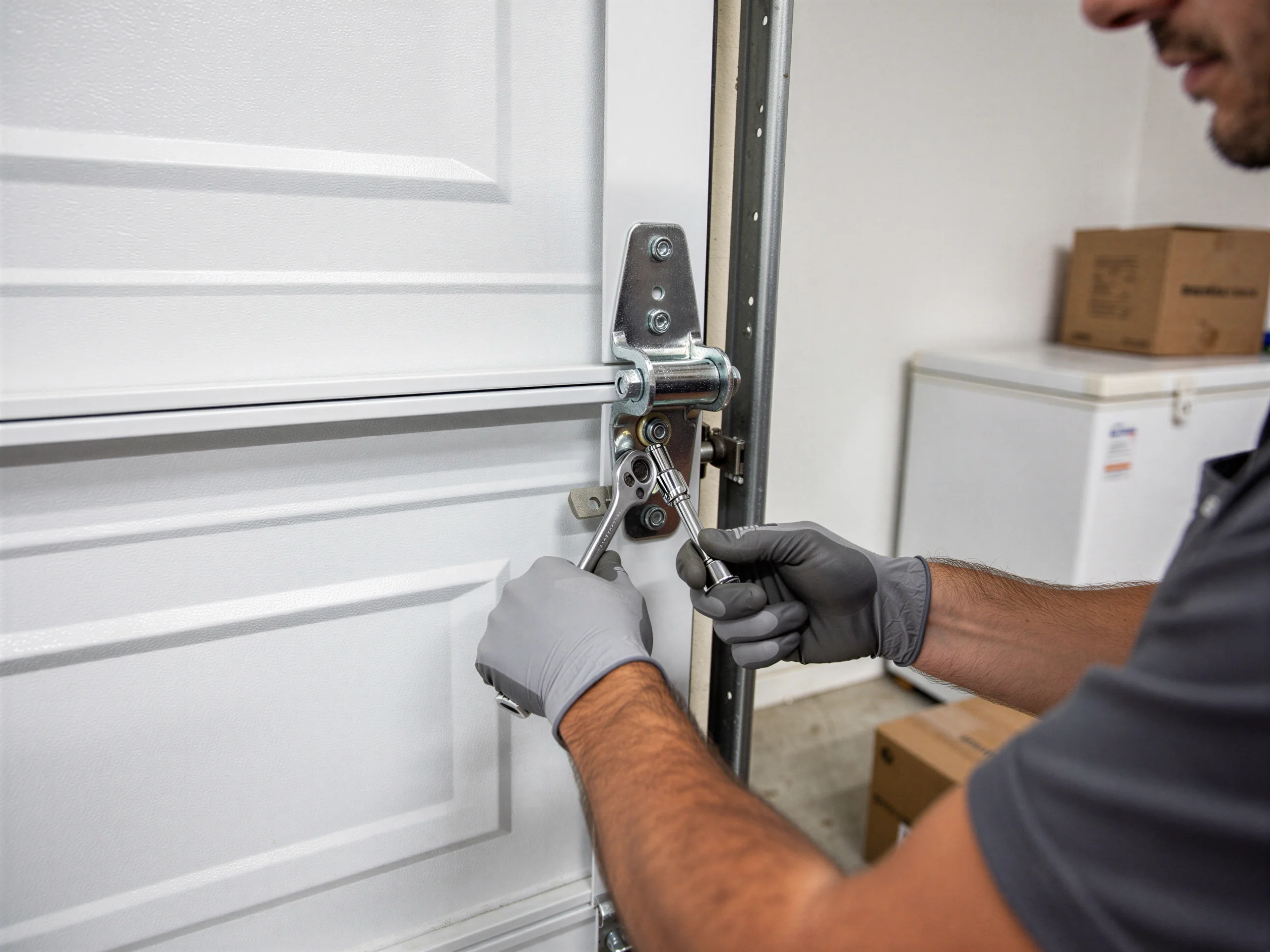
The hinges and roller brackets on 1960s-era sections are often rusted into place, and stripping a bolt head on a torsion-spring door means working near a part under serious tension - that's where we'd tell you to stop and call rather than push through it.

Cosmetic dent DIY swaps

Where a DIY swap genuinely makes sense: cosmetic dents on a panel you can access without disturbing the spring system, using a replacement section ordered to the exact original width.

Bottom panel near springs

Where it doesn't: anything involving the bottom panel near the spring anchor points, or a door where more than one section shows rust-through, since that usually means the whole door is closer to replacement than repair. We'll say so plainly if that's what we find, rather than sell you a panel that buys six more months on a door that's done.

Questions

Common questions

Will a new panel match my old garage door?

Usually yes if we can identify the make and section height, but exact profile matches get harder on doors built in the 1960s-70s era common across this area. We check the model before ordering, and if an exact match isn't available, we'll tell you what the closest option looks like before you commit.

Why does my panel keep rusting out at the bottom?

East Haven sits in a cold, severe winter climate, and road salt plus freeze-thaw cycles work into any scratch or seam in steel. On an original 1960s-era panel, the galvanizing has usually thinned enough that moisture gets under the coating and rusts from the inside out.

Is it cheaper to replace one panel or the whole door?

Depends on how many sections are damaged and how old the rest of the hardware is. If it's one panel on an otherwise sound door, replacing just that section is usually the better value. If rust or dents show up on two or more panels, we'll generally recommend you compare that cost against a full door before spending on parts.

Do you keep East Haven-sized panels in stock?

No - we work out of New Haven, about 4 miles away, and order panels to match your specific door rather than carrying a fixed inventory. That means a short wait on the part itself, but it also means we're not pushing a close-enough panel that won't sit right on your track.

Ready when you are

Need a garage door sorted in New Haven?

New Haven Garage Door Pros repairs and installs garage doors, springs and openers in New Haven, CT and the surrounding area.

Call Now(475) 203-3810