
Old lubricant stiffening
In a cold winter, that strain gets worse, since cold steel and old lubricant both add resistance right when the spring has the least give left in it.
Branford Center, New Haven
Branford Center homes date to the late 1960s, meaning original torsion hardware and doors built before current safety standards. Installed from New Haven.
Booking
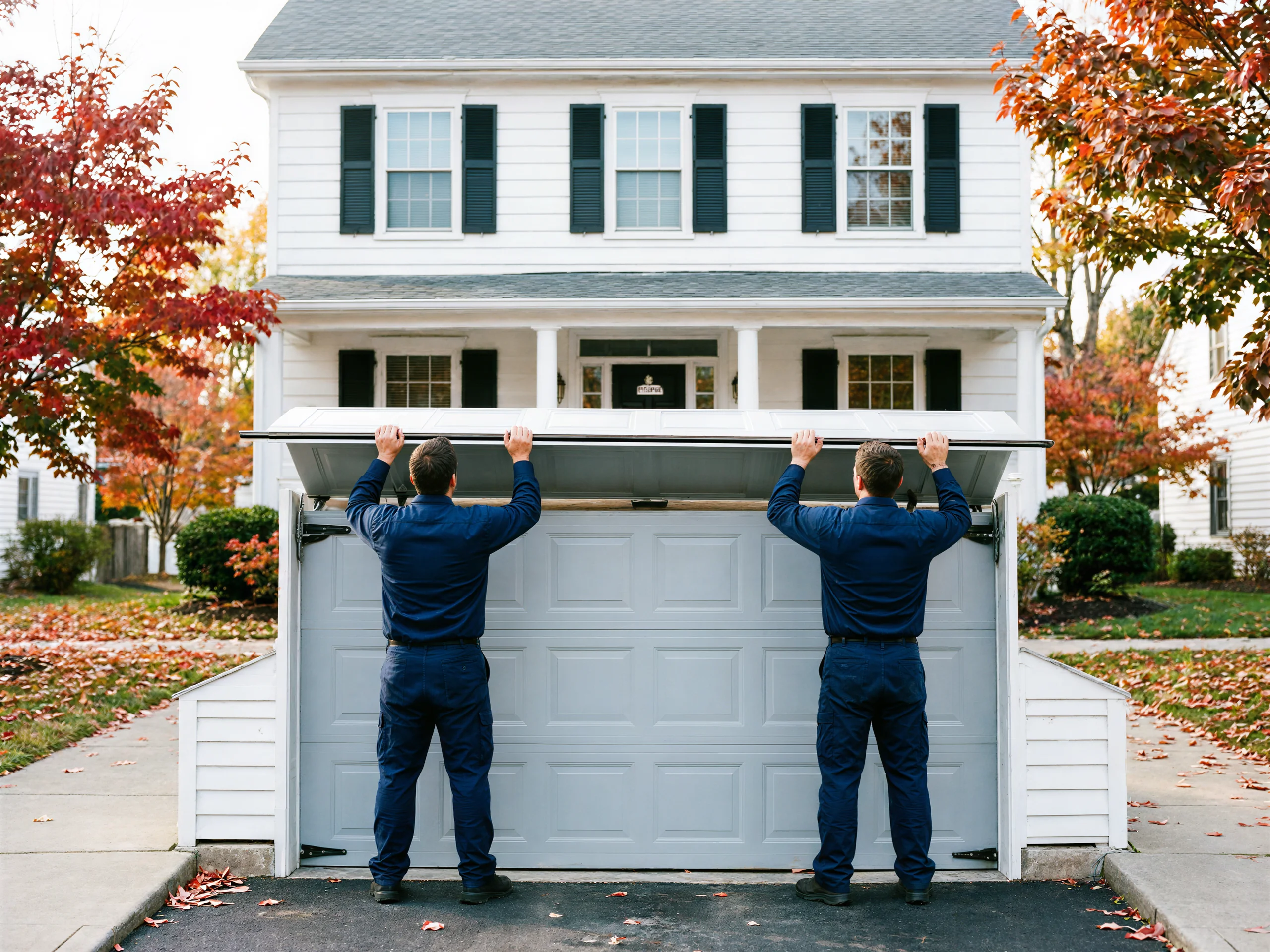
We run this job out of New Haven, about 6 miles from Branford Center, so there's no local branch to swing by - a call or a form submission sets the visit, and the truck comes to you.
Before that visit, it helps to know the width and height of your current opening and whether you're replacing a single door or a pair, since that changes what we bring on the truck. We don't do same-day quotes sight unseen for installation work.
A new door is a measuring job first - rough opening, headroom, backroom for the track, and what the framing around a late-1960s opening can actually support. Guessing on any of that from a phone call leads to a door that doesn't seat right, so we'd rather look before we price it firm.
If you're not sure yet whether you need a new door or a repair on the one you've got, that's a fair question to ask on the call. Not every sagging or sticking door needs full replacement, and we'll say so before we quote one.
Local causes
Branford Center's homes mostly went up around 1969, squarely inside the 1954 to 1986 run that describes most of the housing across this service area. Doors from that era were built to a different standard than anything sold today - single-layer steel or wood panel, no insulation layer, and torsion springs sized for a lighter door than what most people want now.
That matters because this whole region sits in a severe cold climate band. A door built in 1969 wasn't speced for the temperature swings and heating costs homeowners think about today, and the gap between an old uninsulated door and a modern one shows up directly on a winter heating bill in an attached garage.
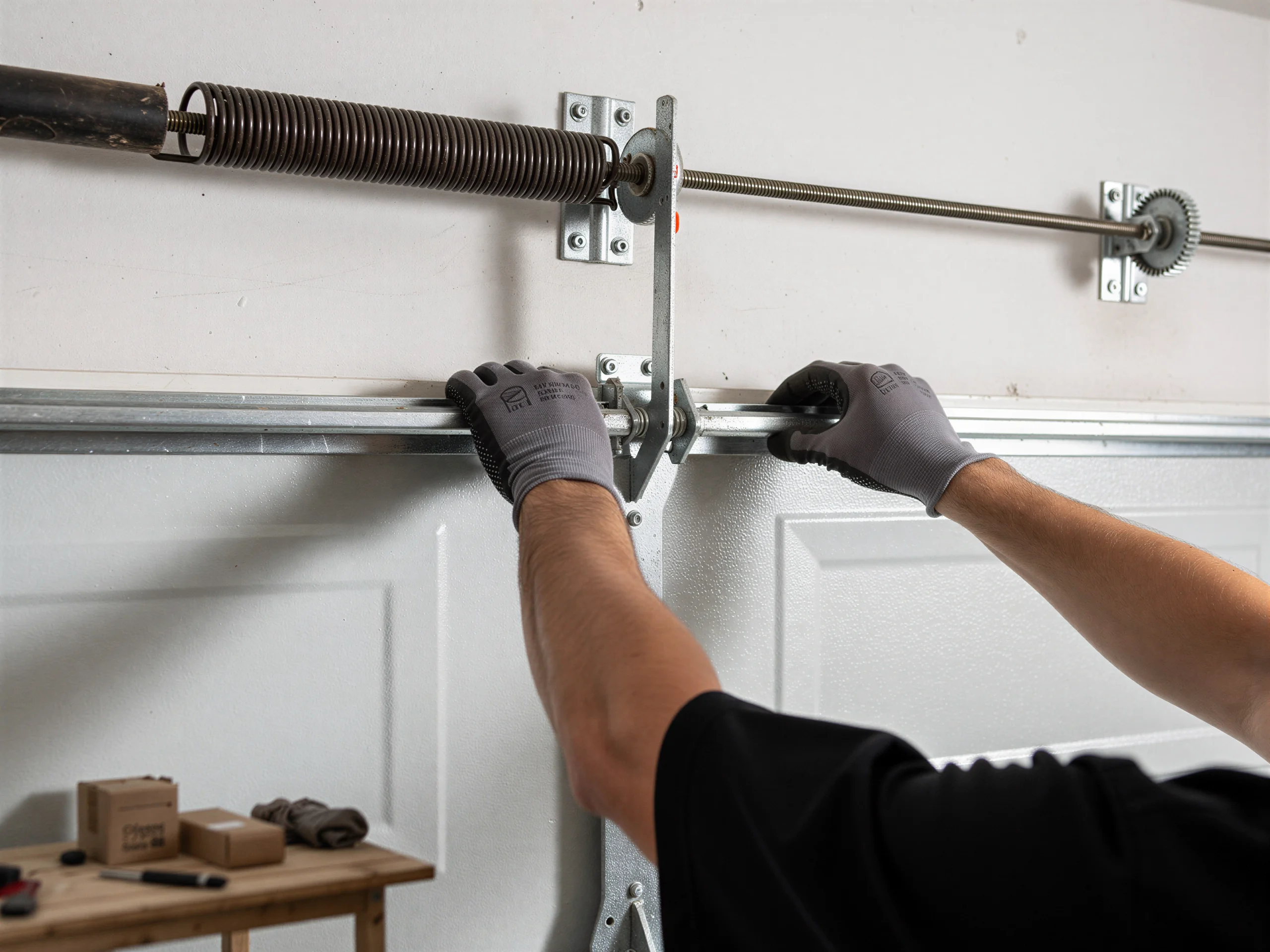
The other issue is hardware mismatch. A lot of these original openings still run on the spring and track setup that came with the house, and when a homeowner bolts a heavier insulated door onto 50-year-old hardware without upgrading the spring, the door either won't lift evenly or it burns through the spring's cycle life in a fraction of the time it should last.
Warning signs
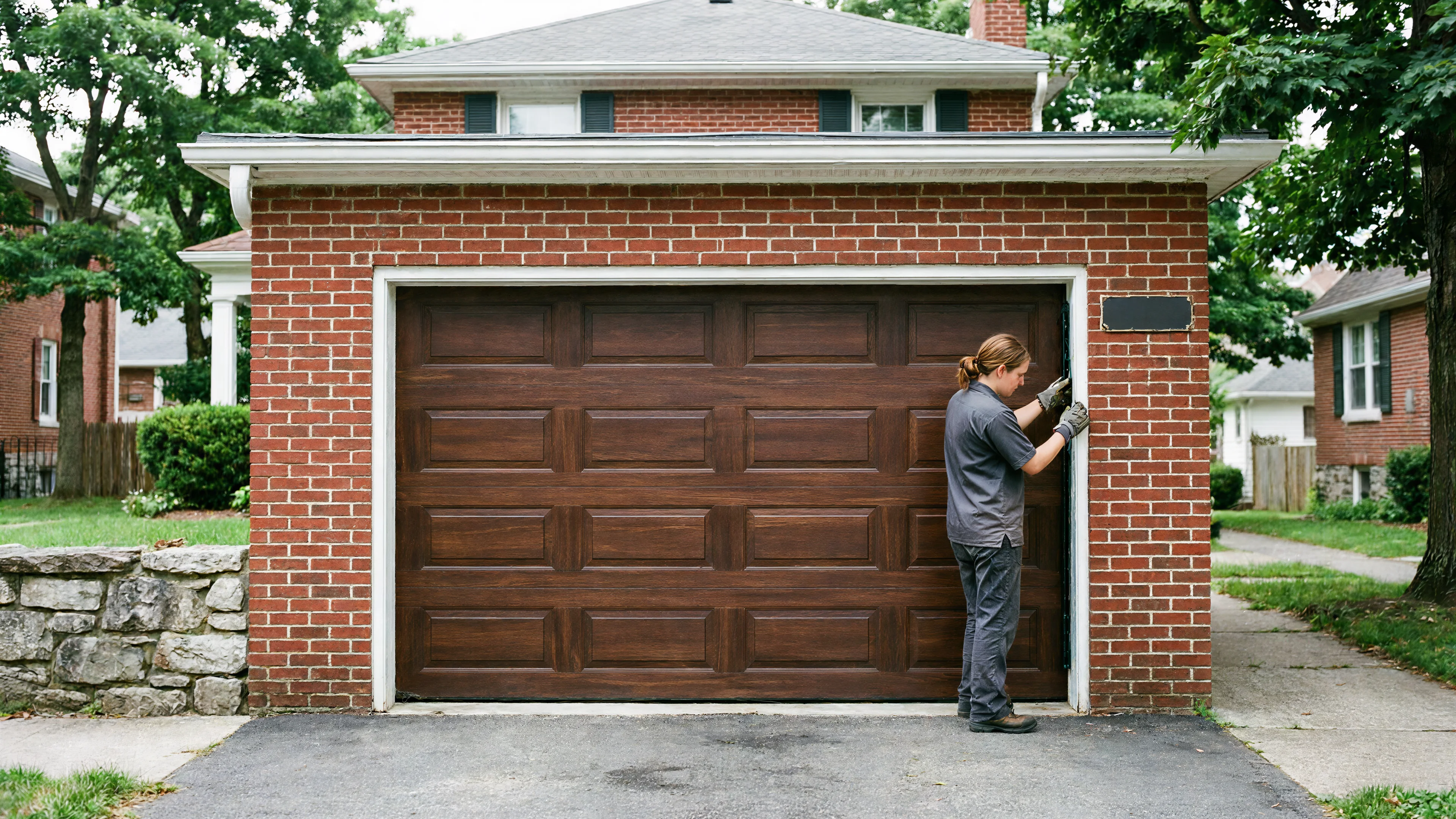
On a house built around 1969, the tell is usually a door that's heavier to lift by hand than it should be, or an opener that strains and groans partway through the cycle - a sign the spring is still sized for the original lightweight panel, not whatever's been hung on it since.
In a cold winter, that strain gets worse, since cold steel and old lubricant both add resistance right when the spring has the least give left in it.
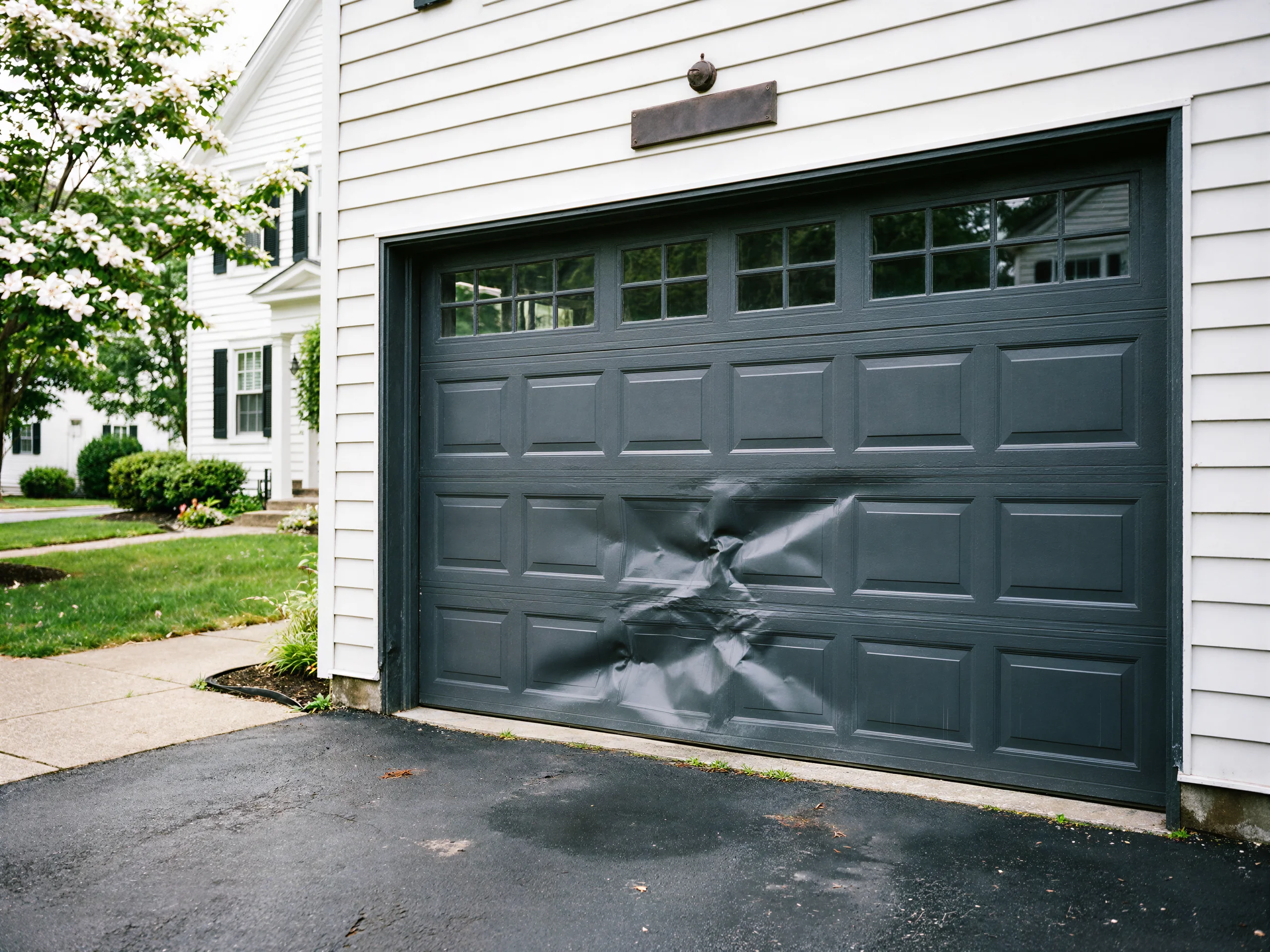
You'll also see it in daylight gaps along the bottom or sides of the door, panels that have started to bow, or a track that's slightly out of plumb from decades of settling in the framing.
None of that is dangerous by itself, but it's usually the point where patching one more time stops making sense next to a full replacement. Sometimes the sign is simpler: the door just looks like it belongs to a different decade than the rest of the house, and the owner's ready to stop living with it.
Timing
A standard single-door swap on an existing opening is usually a one-day job once the door and hardware are on the truck - old door and track out, new door, track, and springs sized correctly, opener reconnected and balanced.
Double doors or anything that needs reframing takes longer, and we'll tell you that up front once we've measured. What we can't promise is a same-day turnaround from the first call, since we're coming from New Haven and the door itself has to be ordered to the size and style you pick - that's true of any installer, not just us.
Stock sizes move faster than custom widths or non-standard heights, which matters more here than in newer subdivisions because a lot of these openings predate today's standard dimensions.
Cold weather doesn't stop the work, but it does slow it slightly - sealants and weatherstripping need the door to be at a workable temperature to set properly, so on the coldest days we may adjust the schedule rather than rush a seal that won't hold.
Our process
We start by measuring the actual opening rather than trusting what a 1960s-era spec sheet would say it should be, since decades of settling can shift a frame by more than people expect.
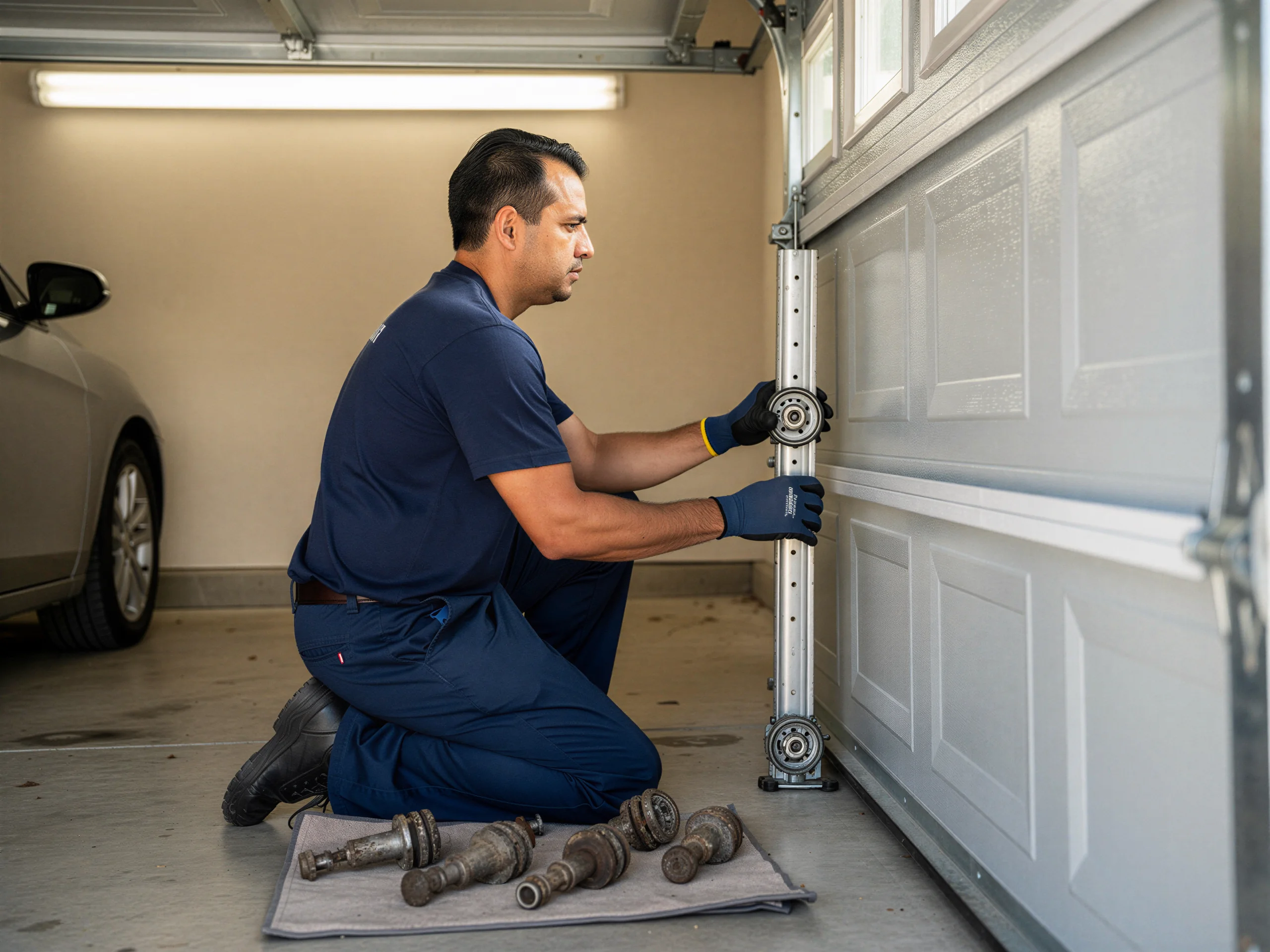
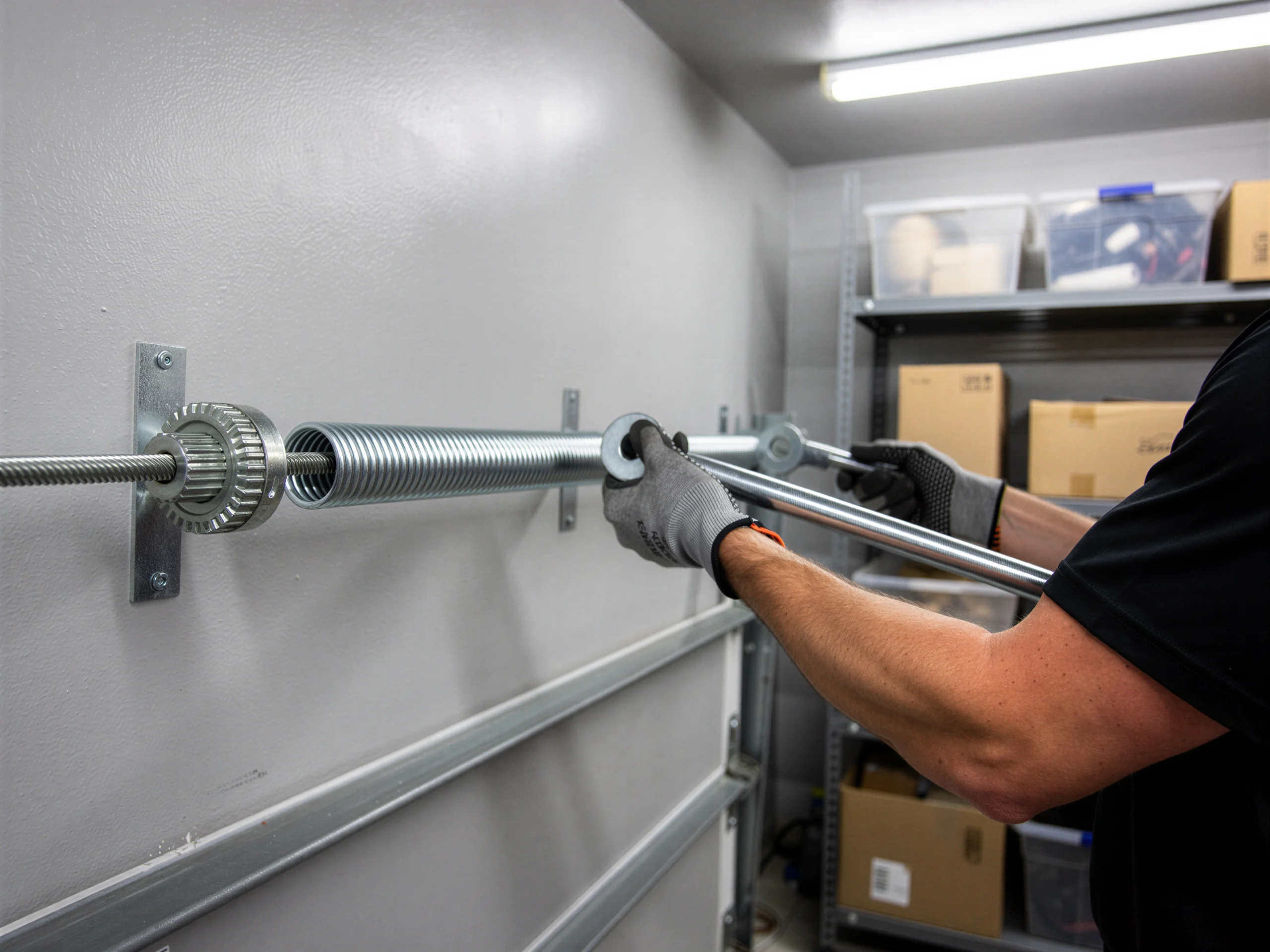
From there we pull the old door and track, check the jambs for rot or shift, and size new springs to the weight of the door going in - not the one coming out.
For most homes in this area we're recommending an insulated door given the severe cold climate band this region sits in; a single-layer door might be cheaper up front, but it doesn't hold up the same way against a Connecticut winter in an attached garage.
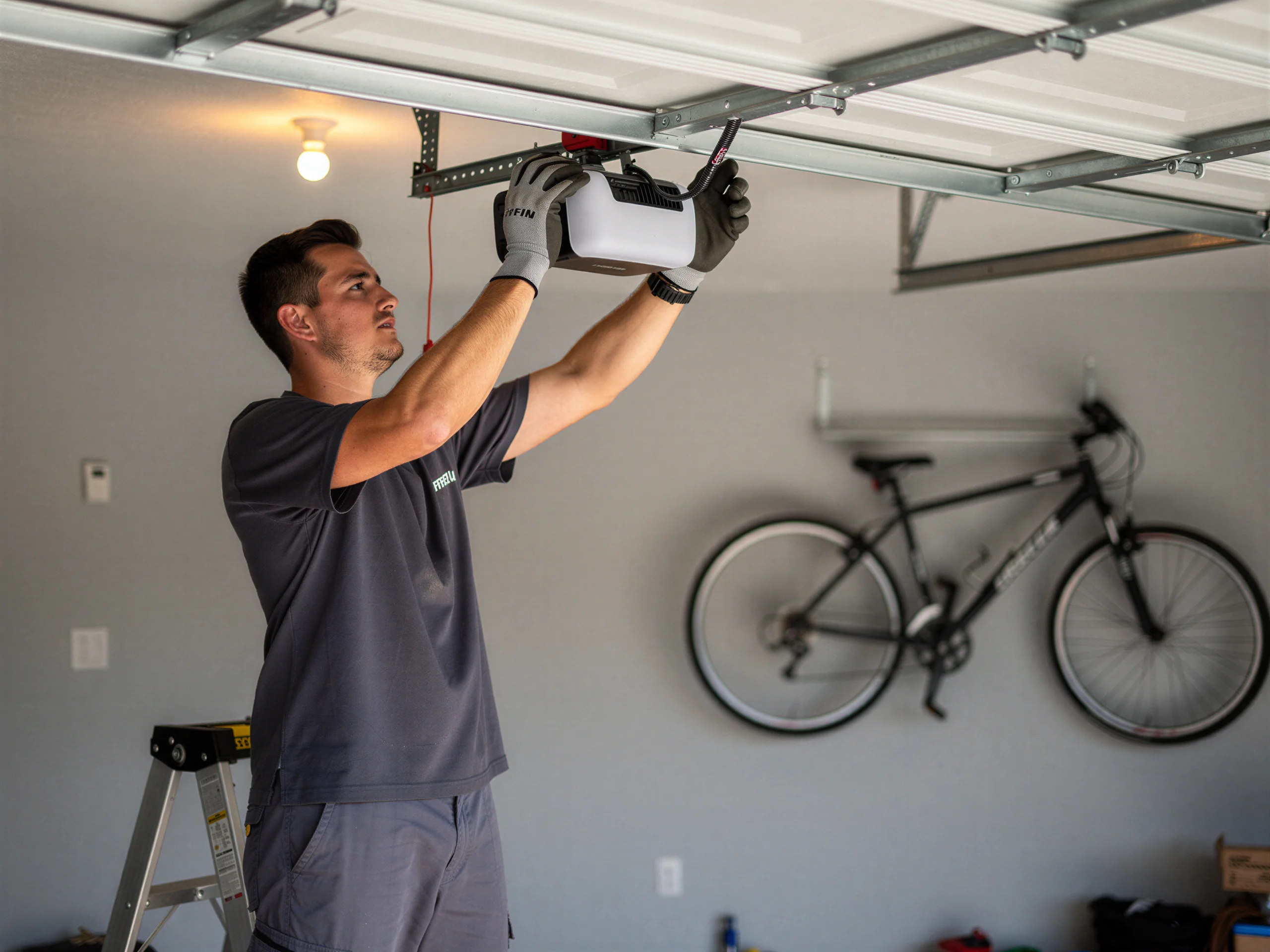
We set the opener to match the new door's weight and travel, since an opener tuned for the old door will fight a heavier insulated one. We test the balance by hand before we ever turn the opener back on - a door that doesn't balance correctly on its own will just wear out the opener faster, no matter how new it is.
Watch-outs
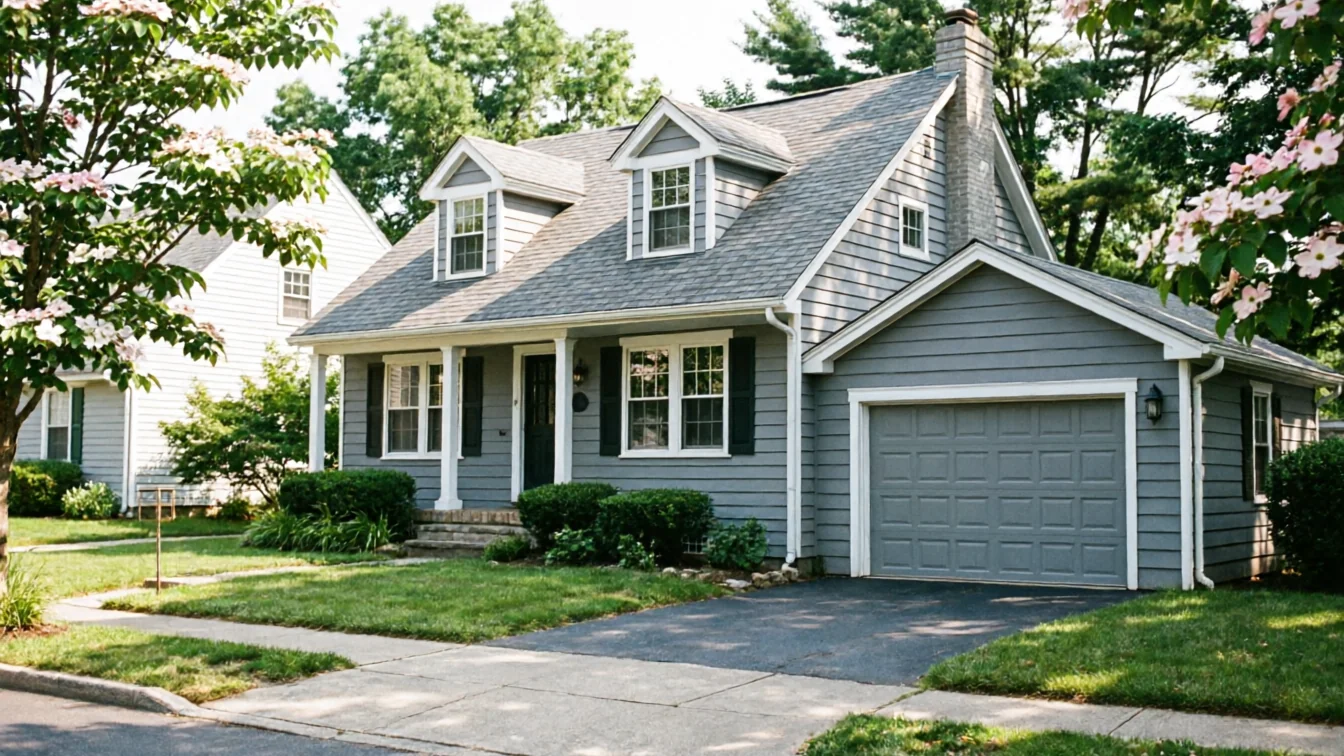
The honest limitation here is rough openings. A meaningful share of Branford Center's housing stock predates standard door sizing, and we sometimes find an opening that's an inch or two off from anything a door manufacturer makes today. That means minor framing work before the new door goes in, which adds time and cost we won't know until we're measuring on site.
Parts availability is the other one. If a homeowner wants a specific style or a wider double door, that's often a special order, not something sitting on a shelf - lead times run longer than people expect, especially outside of peak building season.
And structurally, a door this old sometimes reveals problems in the jamb or header once it's removed - wood that looked fine with trim covering it can be soft underneath. We'll flag that before we install anything on top of it rather than hang a new door on framing that won't hold it. That's not an upsell; it's the difference between a door that lasts and one that sags again in five years.
Questions
No. We work out of New Haven, about 6 miles away, and come to you for the measuring visit and the install. There's no local depot, just the truck making the trip each time a job's booked.
Often, but not always. A share of homes in this area were framed before today's standard door sizes existed, so we measure the actual opening before quoting anything. If it's off by an inch or two, that's a framing fix, not a different door.
This region sits in a severe cold climate band, and most original doors from the late 1960s have no insulation at all. An insulated door costs more up front but holds up better against the swings this area gets, especially in an attached garage.
Sagging, daylight gaps, or a strained opener don't automatically mean replacement - sometimes it's the spring or track, not the door itself. Tell us what you're seeing on the call and we'll say honestly whether a repair makes more sense before we quote a full installation.
Explore more
Ready when you are
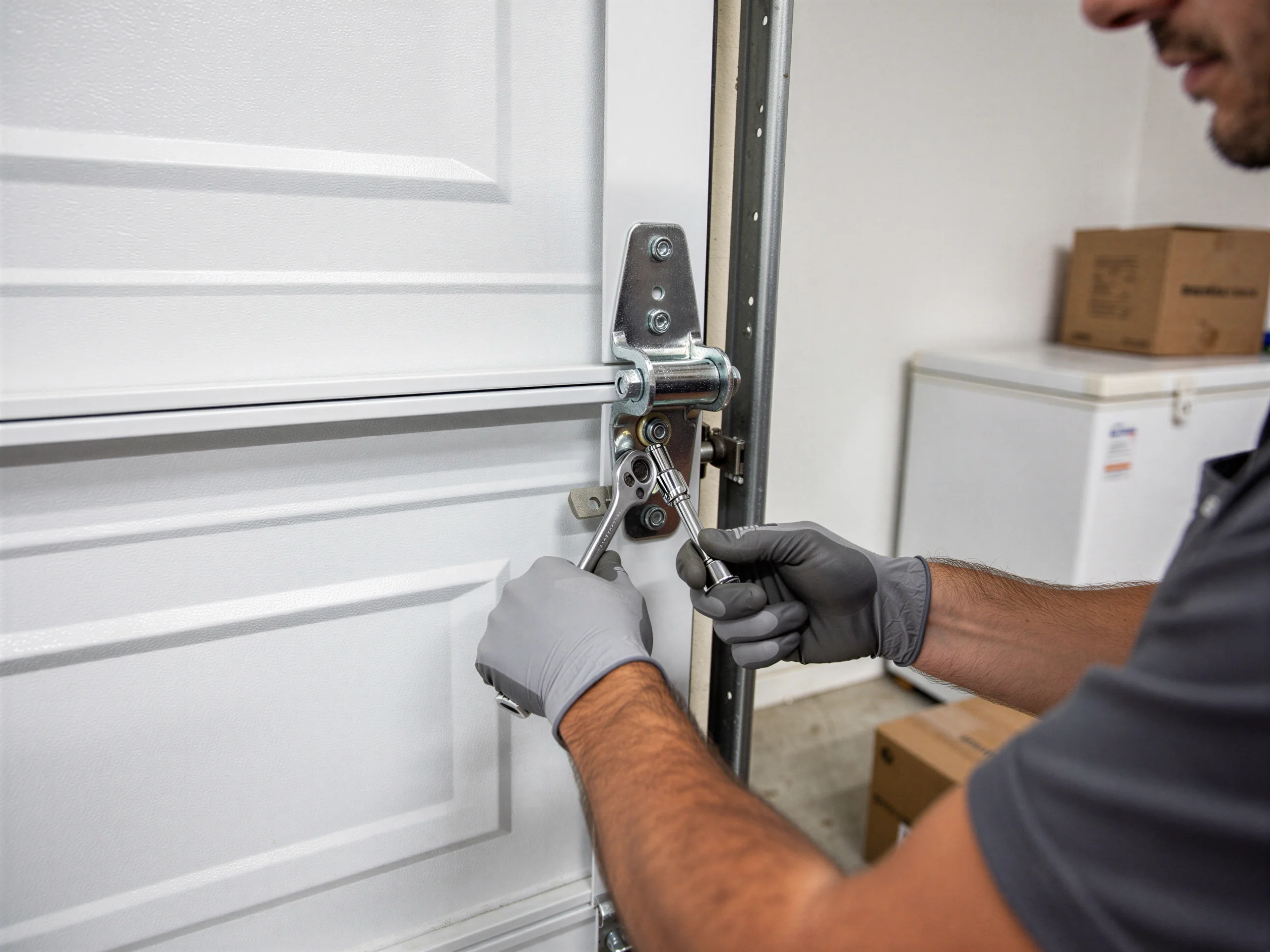
New Haven Garage Door Pros repairs and installs garage doors, springs and openers in New Haven, CT and the surrounding area.