Slipping gears before failure
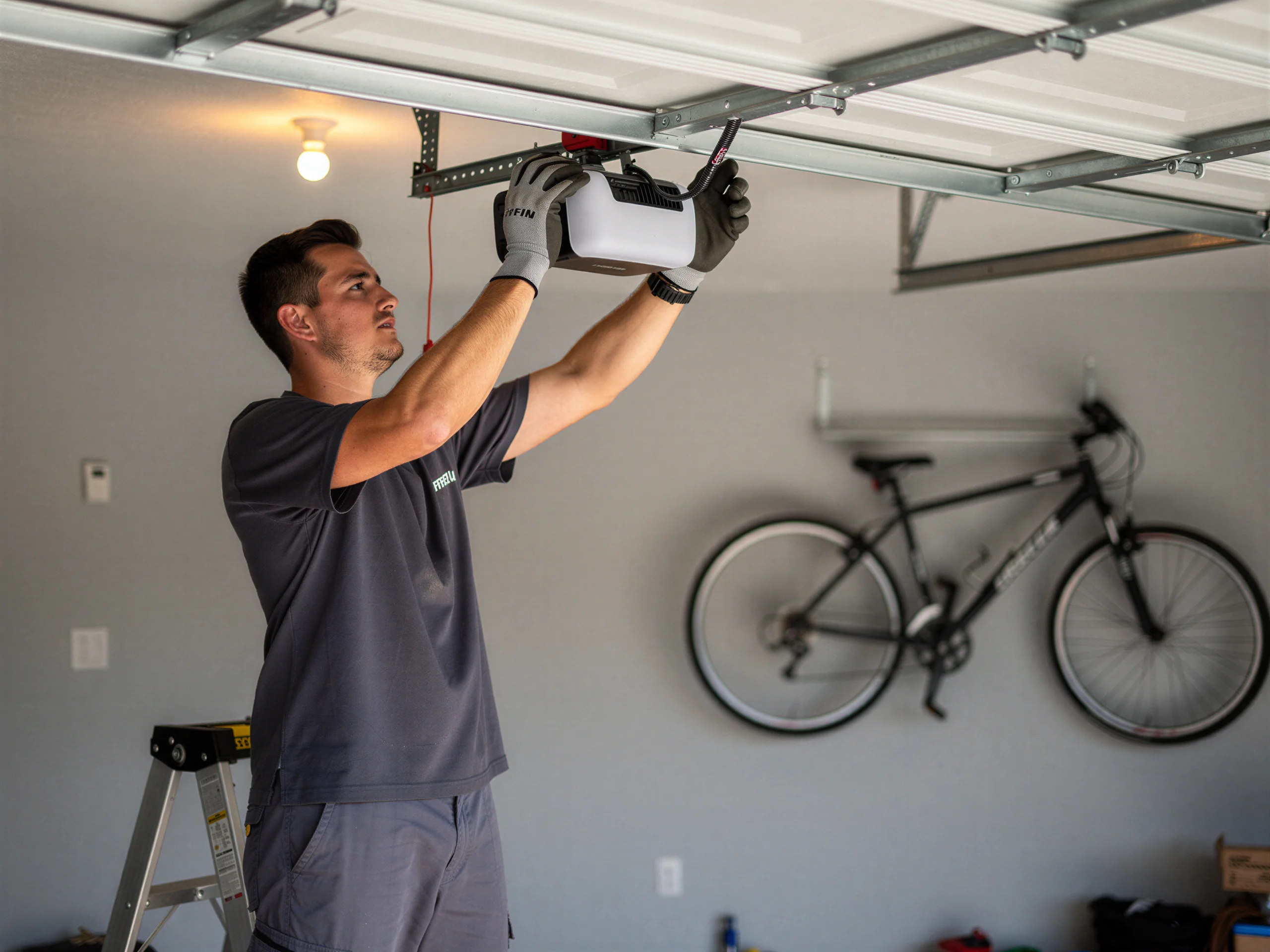
Some owners hear a grinding or slipping sound from the head unit before anything visibly fails - that's usually a worn gear set losing its grip on the chain or belt.
Branford Center, New Haven
Opener installs for Branford Center's 1960s-70s garage doors, 6 miles from our New Haven shop. Built for cold-climate gear sets and older door weights.
Booking
We run this job out of New Haven, about 6 miles from Branford Center, so there's no local branch to call - just a truck that comes over the bridge when you book.
That distance doesn't change the work, but it does mean we ask a few more questions up front: door width, ceiling height, whether you've got a step-down track, so the right opener and the right bracket are on the truck the first time.
Branford Center is a small slice of the wider New Haven service area - about 3,261 households sit in this immediate area, nowhere near the density of the city itself, so jobs here tend to be spread out rather than stacked back to back.
That's worth knowing if you're trying to pin down a tight window. We'll give you a realistic arrival range once the door and opener are both confirmed, not a guess made over the phone.
Local causes
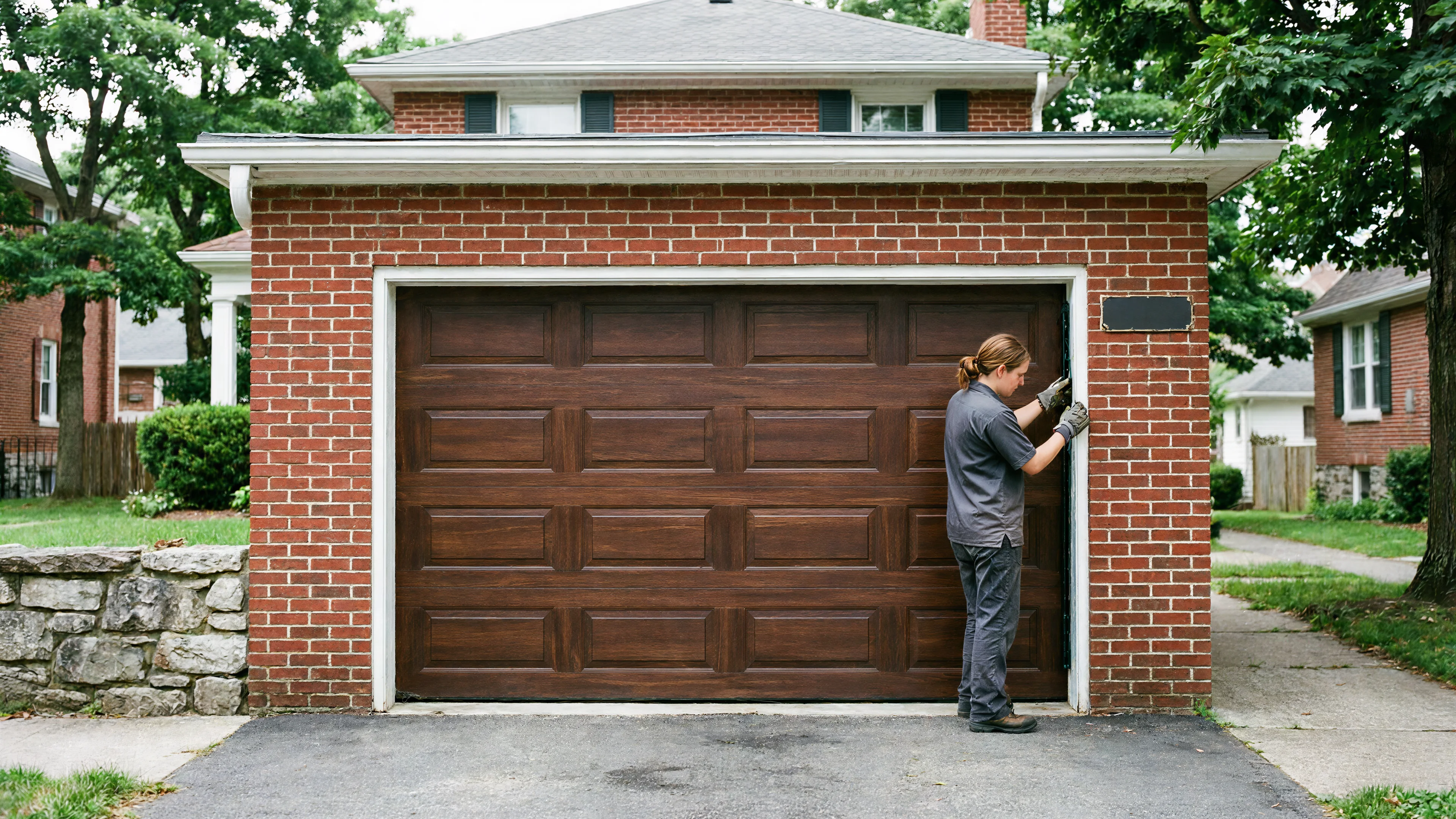
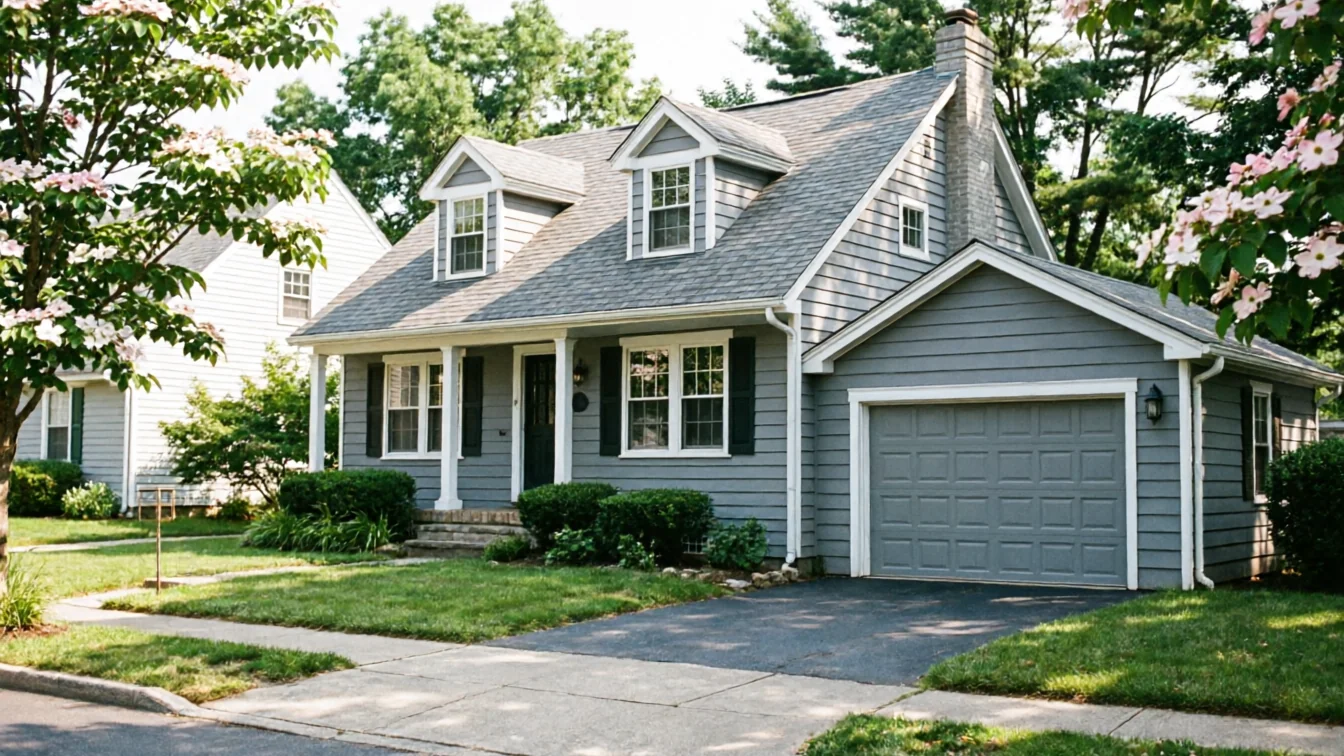
The houses through Branford Center mostly went up around 1969, which puts this stretch right inside the broader 1954-to-1986 build window across the area. A door from that period is usually a single steel or wood-clad panel, heavier than what gets built today, hung on a torsion spring sized for that old weight - not the lighter, insulated sandwich panels that came later. When an opener fails here, it's rarely the opener's fault outright. It's a motor from the 1980s or 90s trying to lift a door heavier than modern units expect, on hardware that's drifted out of balance over decades. Add a cold-severe climate to that mix - the grease in an old gearbox stiffens, chain tension changes with temperature swings - and you get an opener that groans, stalls halfway, or trips its breaker on a 10-degree morning when it never used to.
Warning signs
Most calls start the same way: the door hesitates on the way up, especially the first lift of a cold morning, then seems to free itself once it's moving.
Some owners hear a grinding or slipping sound from the head unit before anything visibly fails - that's usually a worn gear set losing its grip on the chain or belt.
Others notice the safety sensors blinking and refusing to let the door close, which on an older install often means a sensor eye that's drifted out of alignment over years of settling, not a wiring fault.
On original one-piece doors from this era, you'll sometimes see the opener straining audibly against a door that's heavier than the unit's rated lift - a mismatch nobody planned, it just accumulated as the hardware aged and the springs lost tension. None of these symptoms mean the same repair twice; they mean the opener and the door stopped agreeing with each other.
Timing
A straight swap - same mounting points, same door, new opener on the existing rail - is usually an afternoon's work. It runs longer when the rail has to be relocated for a newer opener style, or when the existing door is heavy enough that we're also replacing or re-tensioning the spring to keep the new motor from overworking from day one. We won't quote a time before we've seen the door in person, because on houses from this era the ceiling clearance, the header height, and the spring setup all vary more than people expect from one block to the next.
Our process
Where the original is a chain-drive unit from decades back, we generally move to a belt or screw-drive opener sized correctly for the door's actual weight - not the weight it was rated at new, which on an older panel can be different after years of moisture and wear.
In a cold-severe climate like this one, we favor drive types that don't rely on grease staying soft through a January cold snap, since that's one of the more common reasons an old chain-drive unit binds up on the coldest mornings.
We reset and square the safety sensors as part of the install, not as an afterthought, since misaligned sensors are one of the most common reasons a new opener still won't close a door that looks fine otherwise.
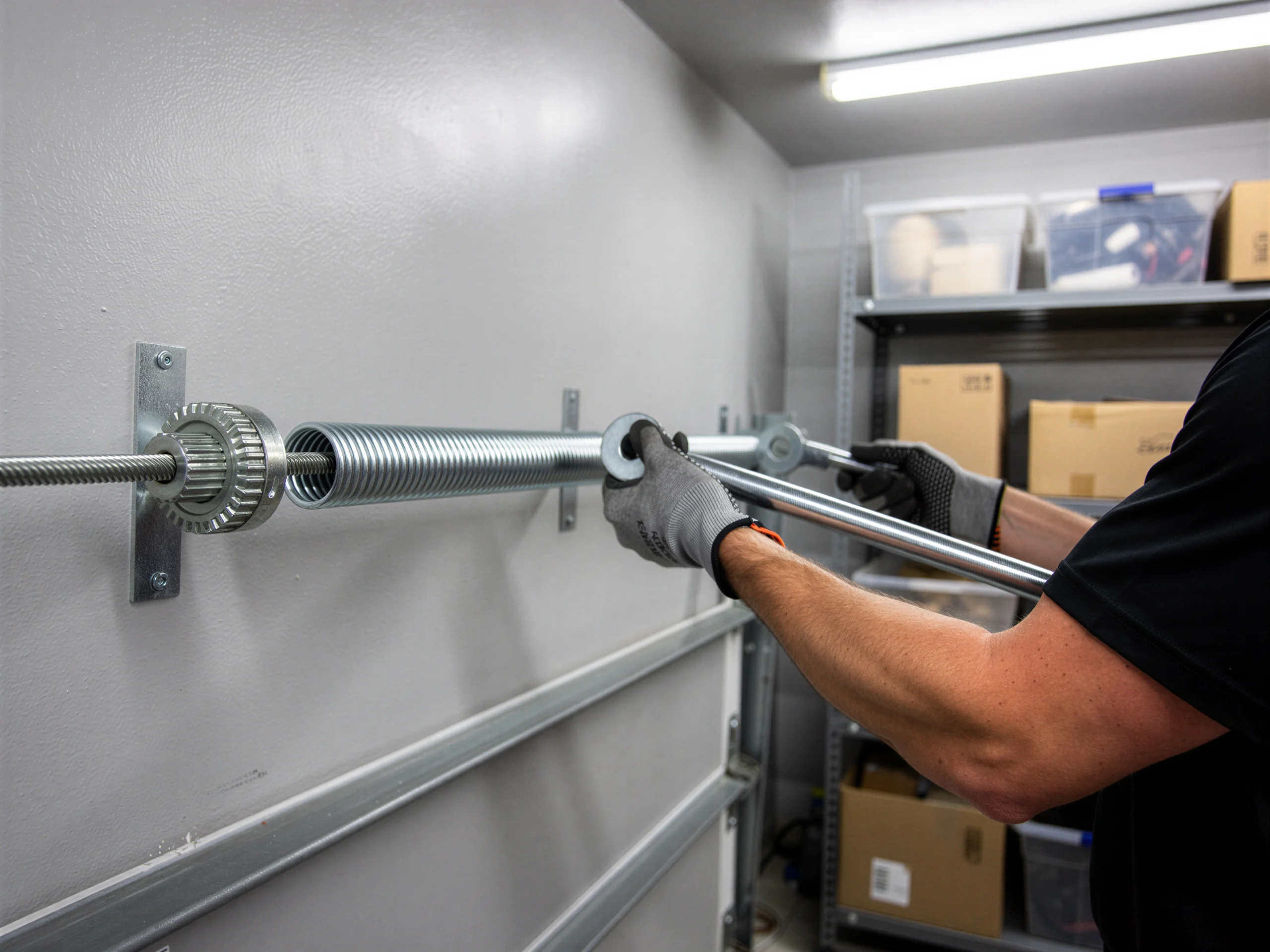
If the torsion spring is clearly mismatched to the door's real weight, we'll say so before the opener goes in - putting a new motor on bad spring tension just moves the failure point, it doesn't fix it.
Watch-outs
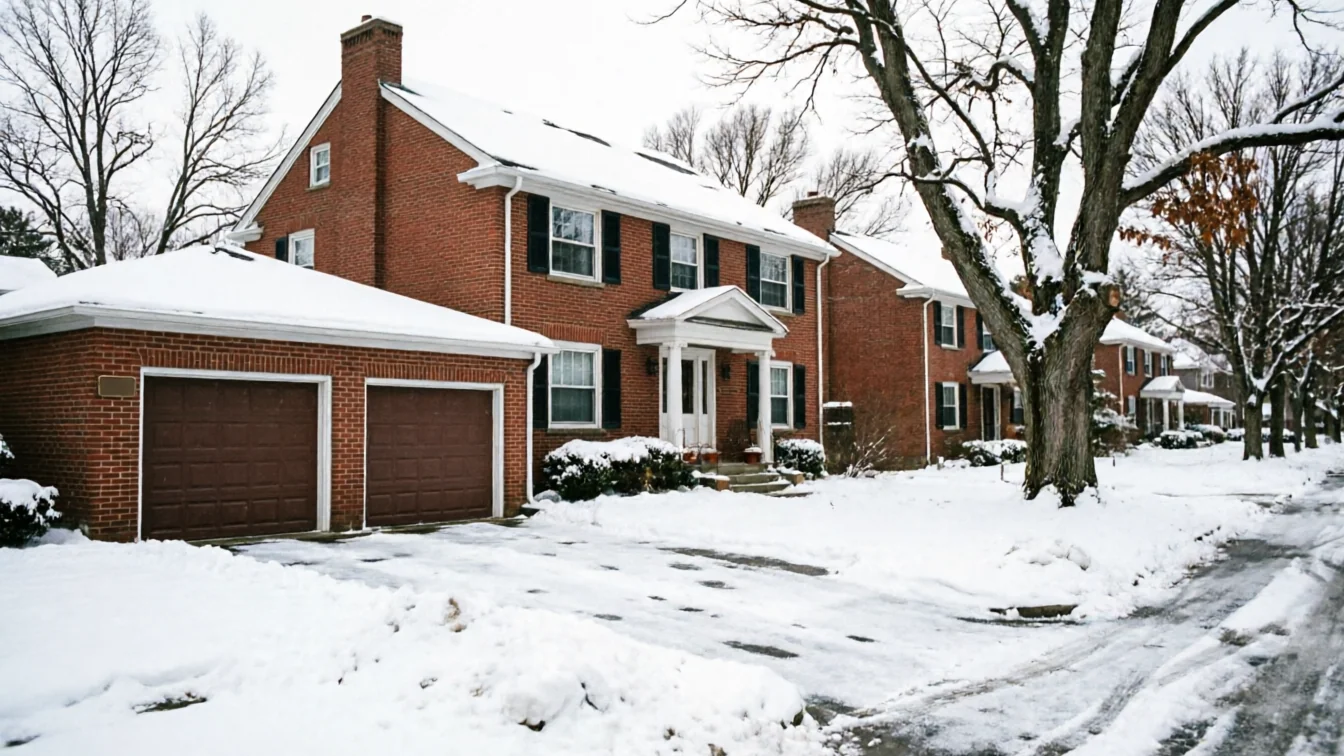
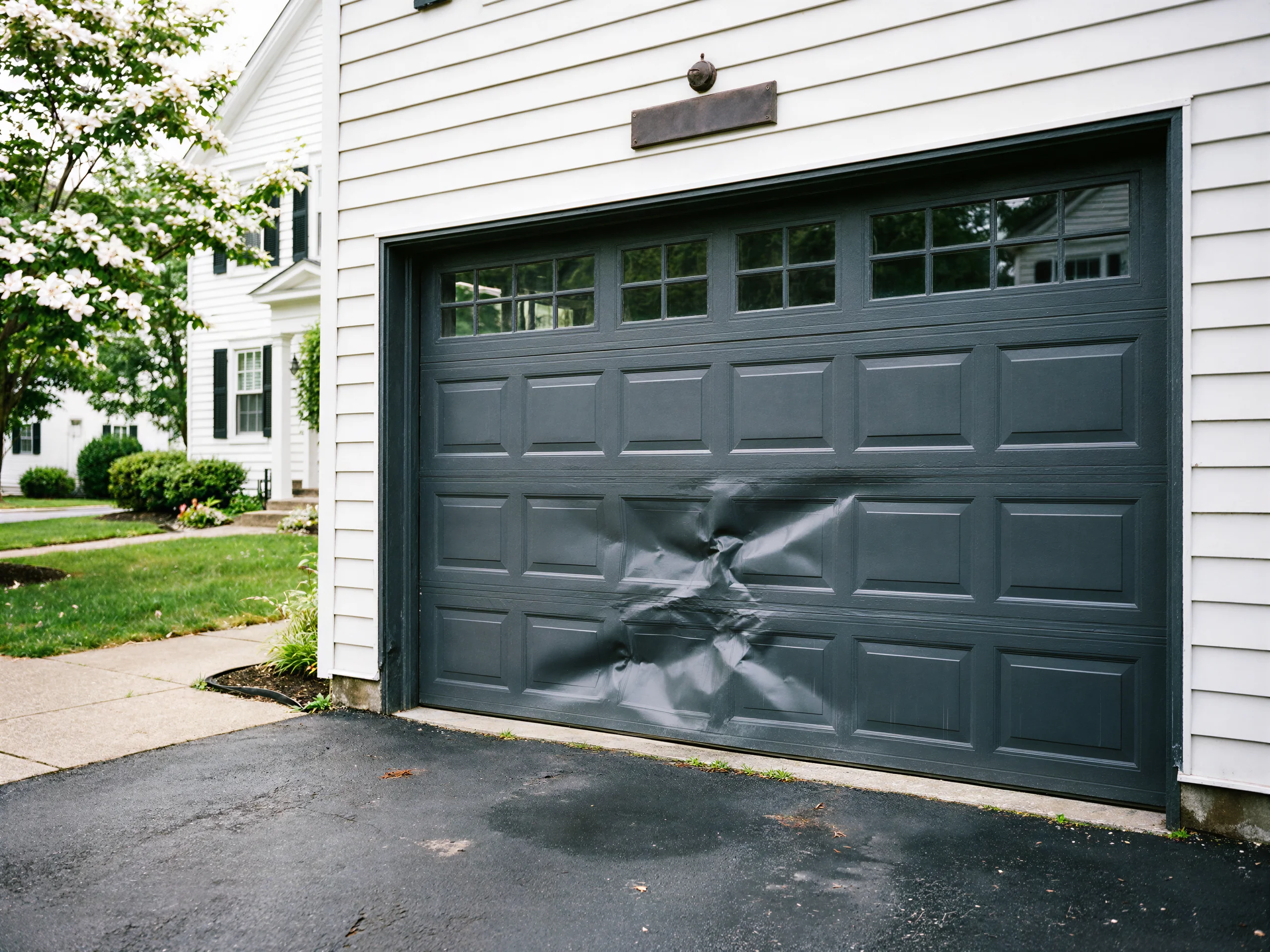
The honest limitation: if the door itself is original to the house - a heavy wood-panel door from the late 1960s with no insulation - a modern opener can lift it, but it'll work harder than it should, and we'll tell you that plainly rather than oversell the opener as a fix for a door that's genuinely due for replacement. We also don't carry every bracket style for every vintage track on the truck; if your header or track hardware is non-standard for the era, there can be a short wait on a part. And we don't do the install if the existing track or header framing looks unsafe to mount to - that's a conversation about the door and the frame first, opener second.
Questions
No. If the door is hard to lift manually with the opener disconnected, that's a spring or balance problem, not an opener problem. A new opener on an unbalanced door just means a stronger motor straining against the same bad tension - it'll fail again, often sooner, and it won't fix the real issue.
Not a different opener exactly, but we steer away from older-style chain units that depend on grease staying fluid through a hard winter. In a cold-severe climate, a belt or screw-drive setup tends to start smoother on frigid mornings than an aging chain-drive unit with decades of grime built up in the gearbox.
We size the opener to the door's actual current weight and track style, which on a house from this era often differs from what it was built with originally - springs loosen, panels absorb moisture, hardware ages. We check the door in person rather than guessing from its build year alone.
Explore more
Ready when you are
New Haven Garage Door Pros repairs and installs garage doors, springs and openers in New Haven, CT and the surrounding area.