
Cracks at fold lines
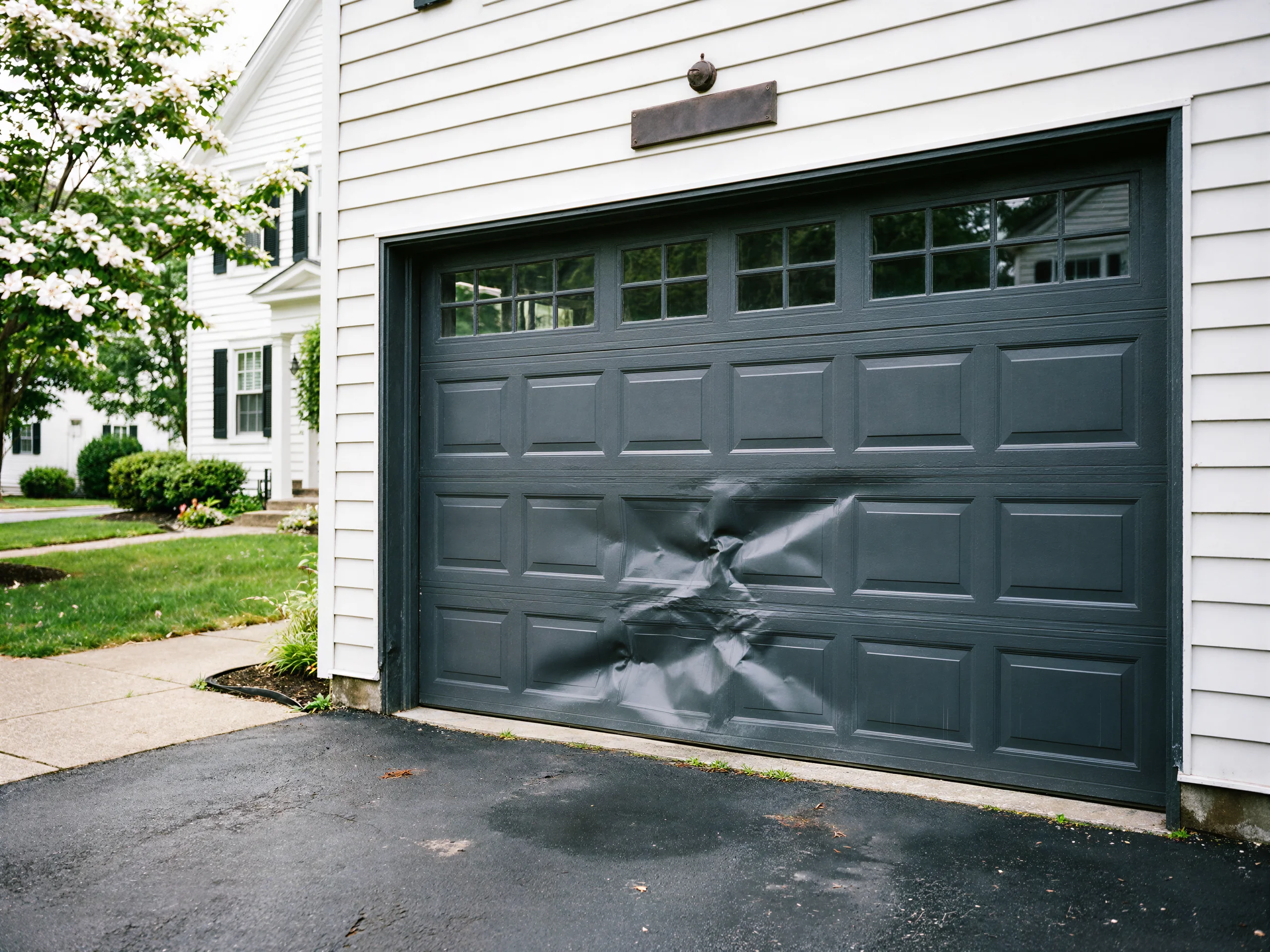
On the older steel common to houses built around 1969, that dent often comes with a crack at the fold line rather than just a cosmetic dimple, because the metal doesn't flex back the way newer, better-ribbed steel does.
Branford Center, New Haven
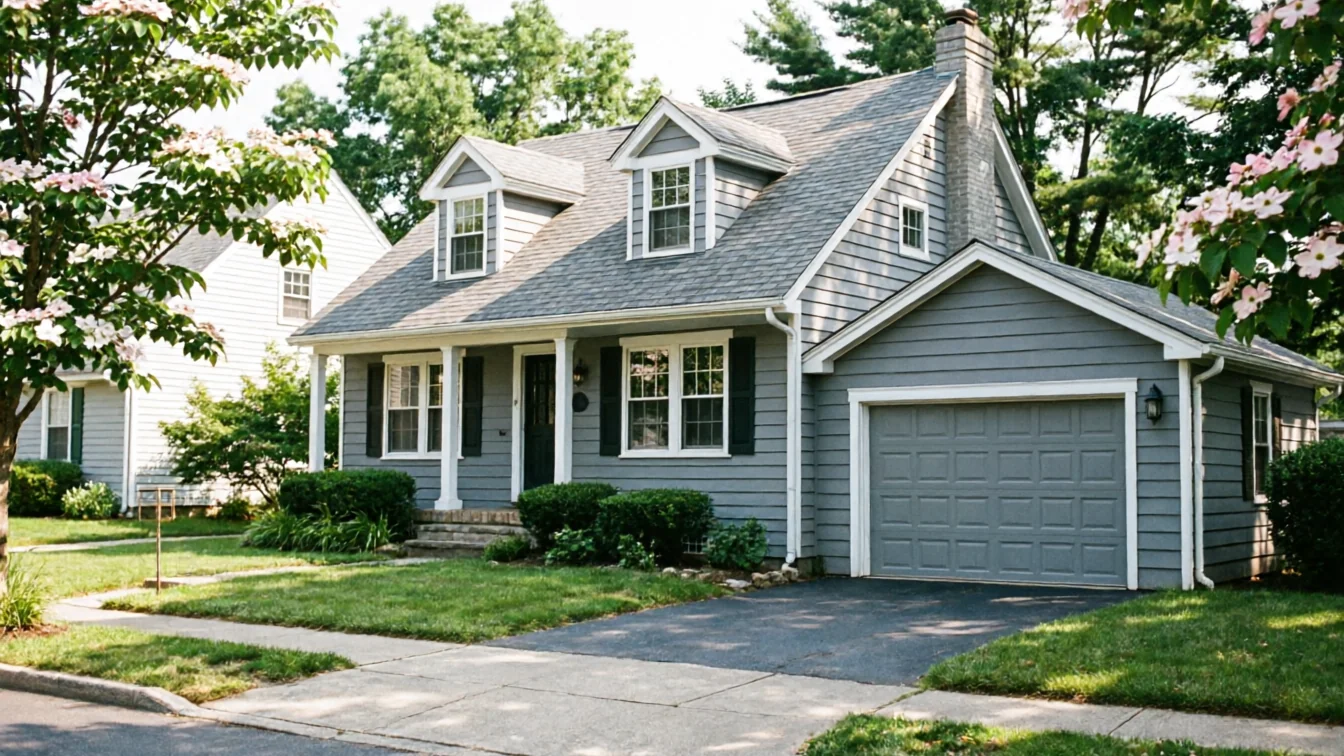
Branford Center homes mostly date to 1969, with steel sectional doors from that era now needing panel swaps we handle from our New Haven shop, 6 miles out.
Booking
We run this job out of New Haven, about 6 miles from Branford Center, so we ask for a little lead time to get a truck loaded with the right panel stock before we head your way.
Tell us the door brand and roughly how old the house is - for a town built mostly around 1969, that one detail narrows down whether we're dealing with a wide-groove steel panel or one of the later raised designs.
If you can send a photo of the damaged section next to the whole door, we can usually tell before we arrive whether this is a single-panel swap or a job that needs the full section replaced. We don't keep a branch in Branford Center itself - every visit comes from New Haven, which is worth knowing if you're hoping for a same-morning fix on a tight schedule.
We can usually still get there the same day or the next, but we're honest that a dedicated local shop closer to you would beat us on pure response time. What we make up for is knowing this housing stock cold, since so much of our call volume comes from towns built in this same stretch of years.
Local causes
With most houses here going up around 1969, you're looking at doors that are either original steel sections or a replacement installed sometime in the decades since - and either way, the panel profiles from that era are narrower and the steel gauge thinner than what's sold today. A low-speed backing mishap that would just scuff a modern door tends to crease or buckle these older panels straight through, because the steel doesn't have the ribbing or thickness to absorb the hit.
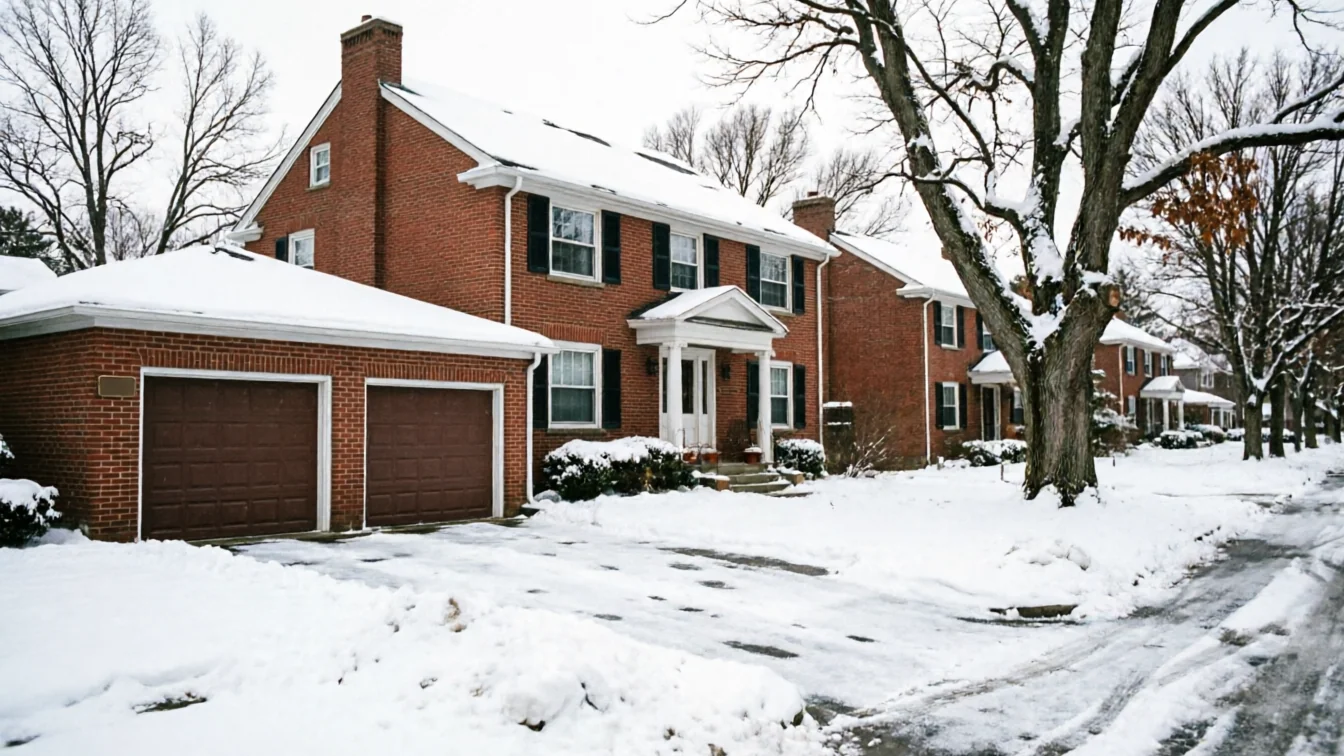
Cold is the other driver. This area sits in a climate zone with severe winters, and steel contracts hard in deep cold - a panel that's already got a hairline stress crack from age will often split clean through on the first bitter cold snap of the season, not from any new impact at all. We see this pattern enough in towns with housing from this same build window that it's not really a mystery anymore, just a predictable failure point.
Warning signs
Most calls start with a visible dent or a crease running across one section, usually at bumper height where a car clipped the bottom panel.
On the older steel common to houses built around 1969, that dent often comes with a crack at the fold line rather than just a cosmetic dimple, because the metal doesn't flex back the way newer, better-ribbed steel does.
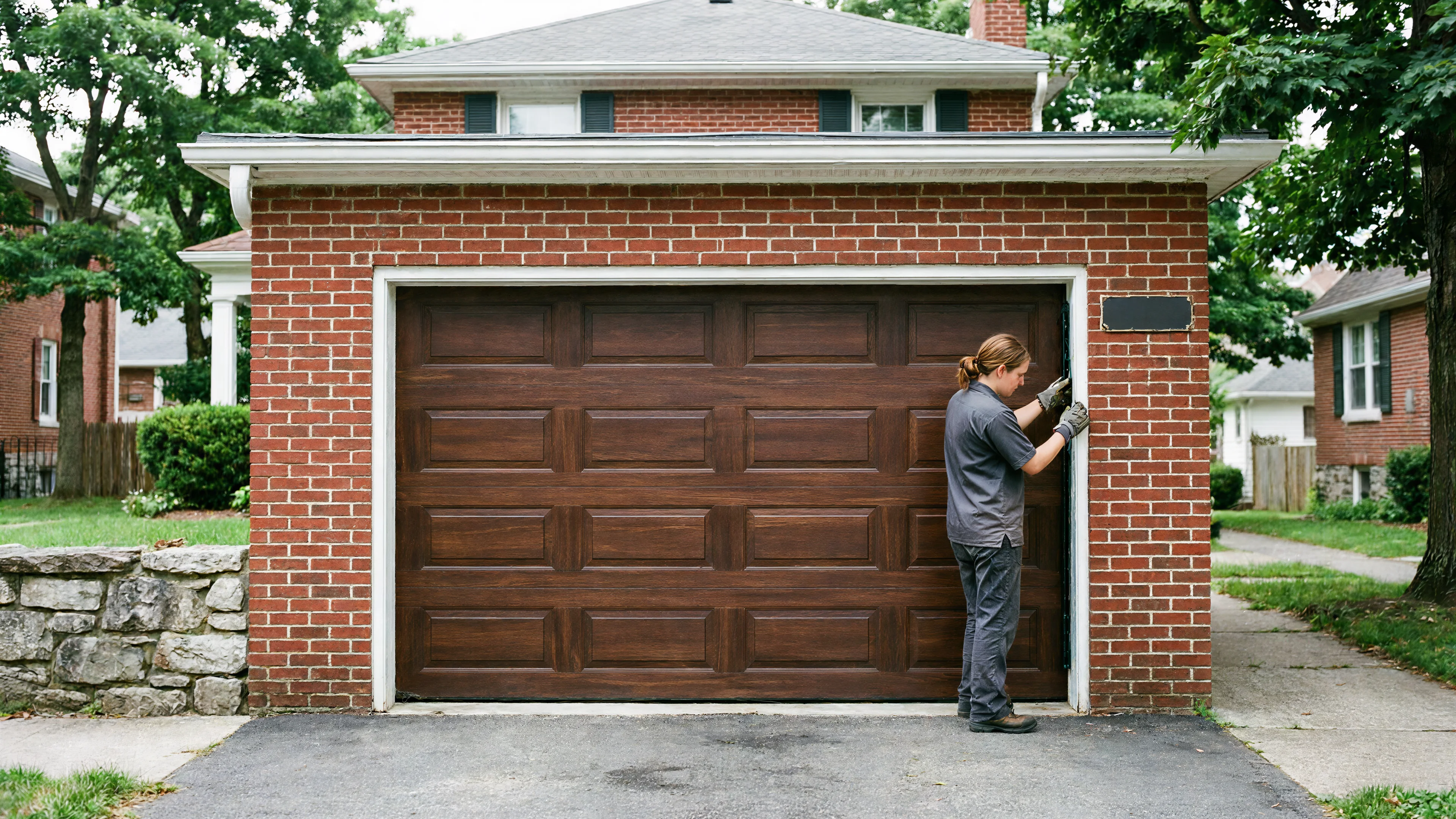
The other common version: a panel that's intact but badly faded or chalked compared to the rest of the door, which happens when a prior owner replaced one section years back with stock that's since weathered differently.
You end up with a door that still opens and closes fine but looks patched - and once you're past 50 years from original install, exact color and texture matches get harder to find. We'll tell you straight if a close match isn't realistic rather than promise one we can't deliver.
Timing
A single-panel swap on a door where we can source a matching or close-enough section is usually a half-day job once we're on site, start to finish. Where it runs longer is sourcing - doors from the 1969-era stock common in this part of the service area were made by manufacturers that have since changed their panel dimensions, so a matching section sometimes has to be special-ordered rather than pulled off a shelf.
We'll tell you at the estimate stage whether your panel is a common size we can grab quickly or a discontinued profile that needs a lead time. For the latter, plan on the order taking longer than the install itself - the actual swap, once the part's in hand, is still a few hours of work, not days.
Our process
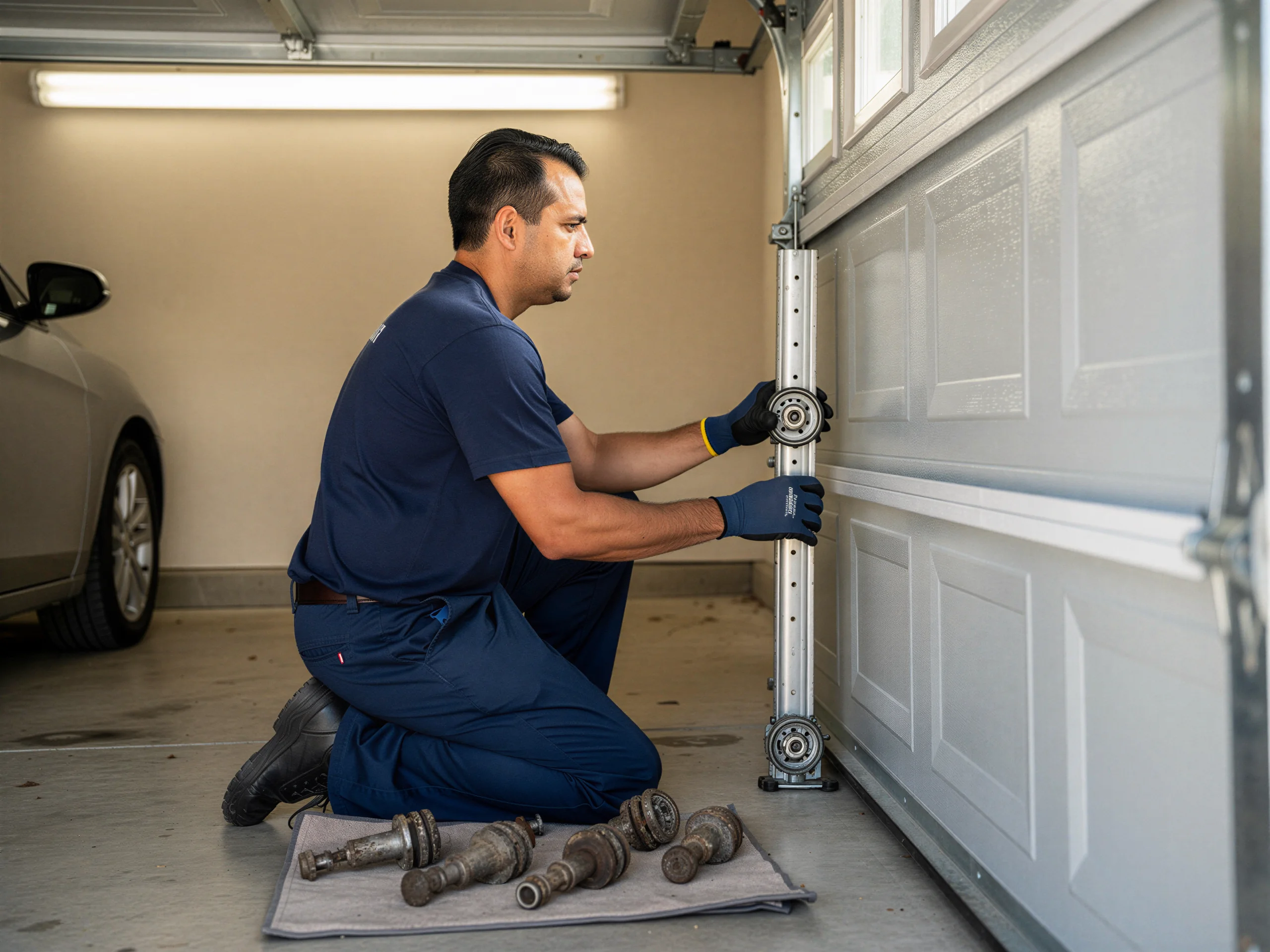
We pull the damaged section free of the track rollers and hinges, swap in the new panel, and re-hang it with the original hardware wherever it's still sound - on doors from the late 1960s and early 1970s, the hinges and rollers are often original and worth reusing if they're not pitted or bent.
Where the track mounting points have shifted slightly from decades of use, we shim and re-square before closing the door back up, because a panel that's slightly out of plane will bind against the weatherstrip and wear unevenly within a season.
If your door is a double-wide, we check that the new panel sits flush against its neighbors without a visible seam gap, especially in a climate zone that sees severe winter cold - a gap that looks fine in October can whistle and let in drafts by January once the steel contracts.
Watch-outs
The honest limitation here is color and texture matching. A door that's had one panel replaced before, or sat through 50-plus years of sun since 1969, often can't be matched exactly - paint formulations and embossing patterns have changed enough that we sometimes recommend repainting the whole door rather than leaving an obvious mismatched section. We'll say so upfront rather than let you be surprised on install day.
The other complication is structural: if the door has already flexed from the original 1969 track spacing and the opener has been upgraded since, the new panel sometimes reveals that the whole door is slightly out of square - not something caused by the panel swap, but something it uncovers. On a median household income of $70,391 here, we try to flag early if a full-door replacement will actually cost less than chasing matched panels on a door that's fighting its own hardware.
Questions
Not always. Houses here date mostly to 1969, and paint and steel finishes from that era aren't stocked anymore. We'll check what's available and tell you honestly if an exact match isn't realistic - sometimes a full repaint of the door is the better call than a visible mismatch.
No, we run every job here out of New Haven, about 6 miles away. We don't promise a local response time because of that, but we do carry panel stock sized for the housing era common across this part of the service area.
This area sits in a severe-winter climate zone, and steel panels from the 1969-era stock common here are thinner-gauge than current doors. Cold makes the metal brittle, so an existing stress point - even a small one - tends to split through rather than just dimple.
Depends on the door's age and condition. If the track and opener are sound and we can source a matching panel without a long lead time, one section is cheaper. If the door's structure is already out of square, replacing the whole door can cost less than chasing a patch job.
Explore more
Ready when you are
New Haven Garage Door Pros repairs and installs garage doors, springs and openers in New Haven, CT and the surrounding area.