New Haven, CTSame-day service/Free estimates/Licensed & insured(475) 203-3810

Hamden, New Haven

Garage Door Repair for Hamden's 1960s Housing Stock

Hamden homes mostly date to 1963, which means original torsion or extension hardware. We travel the 6 miles from New Haven to fix what that era of door actually needs.

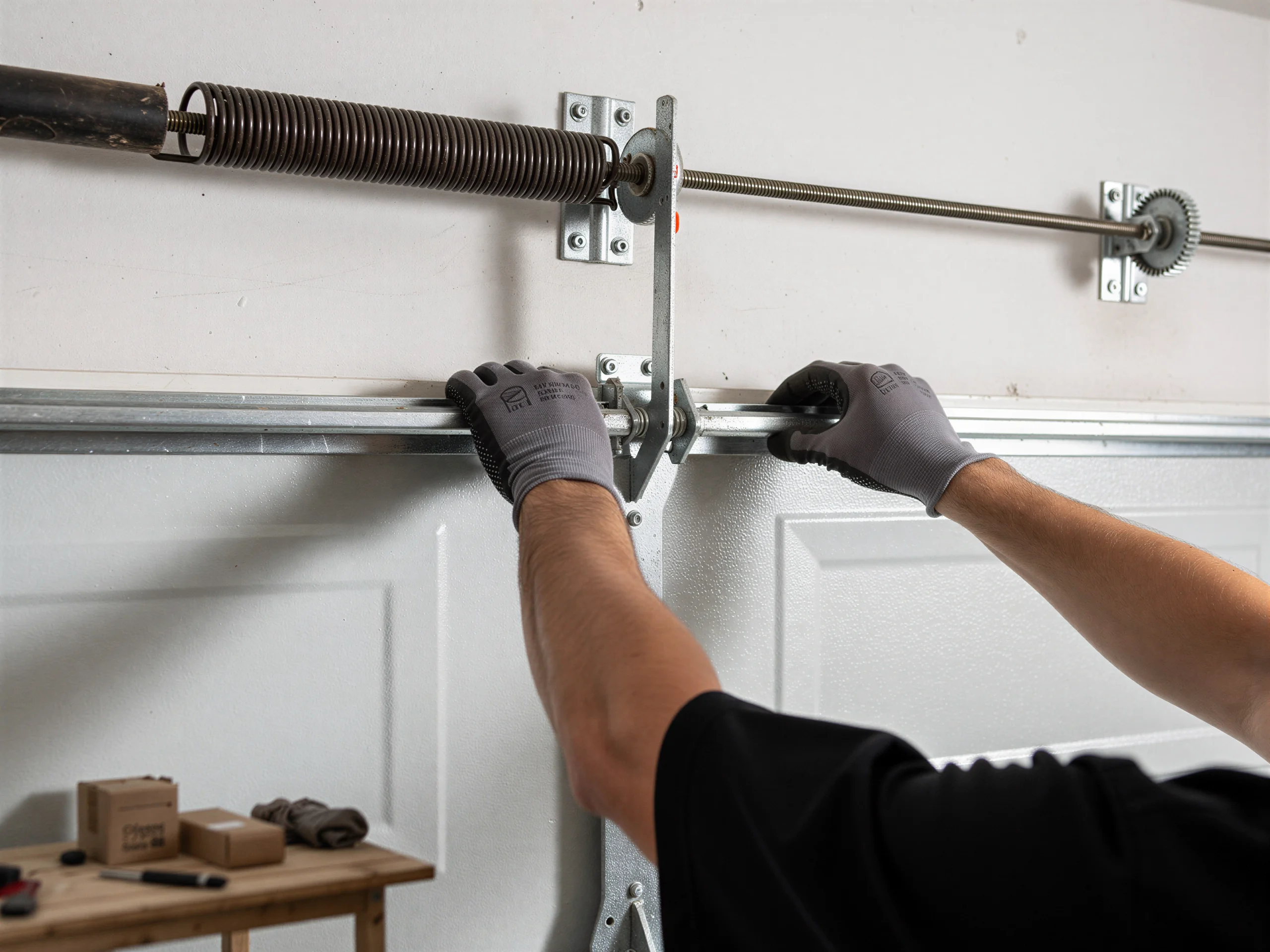
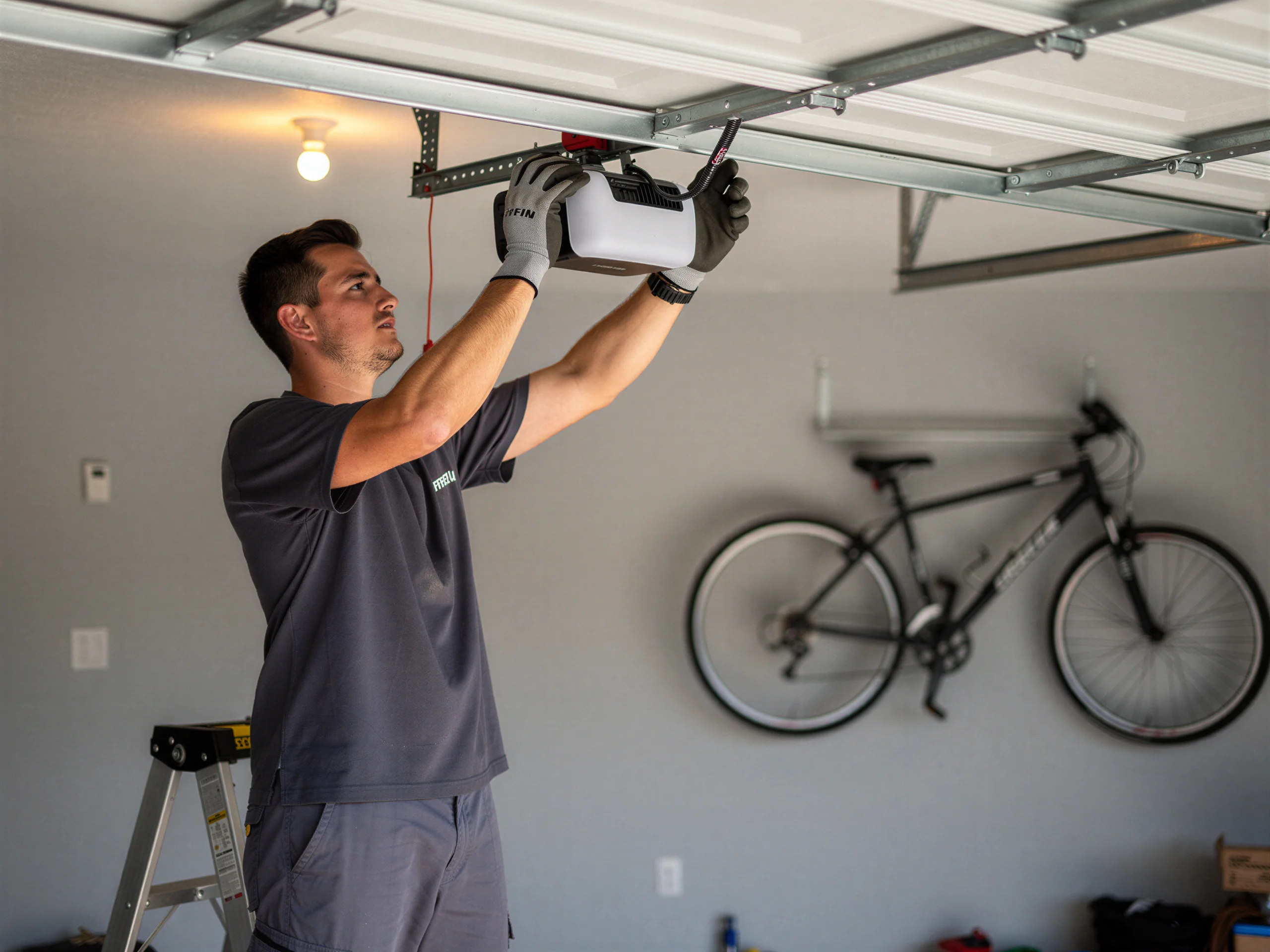
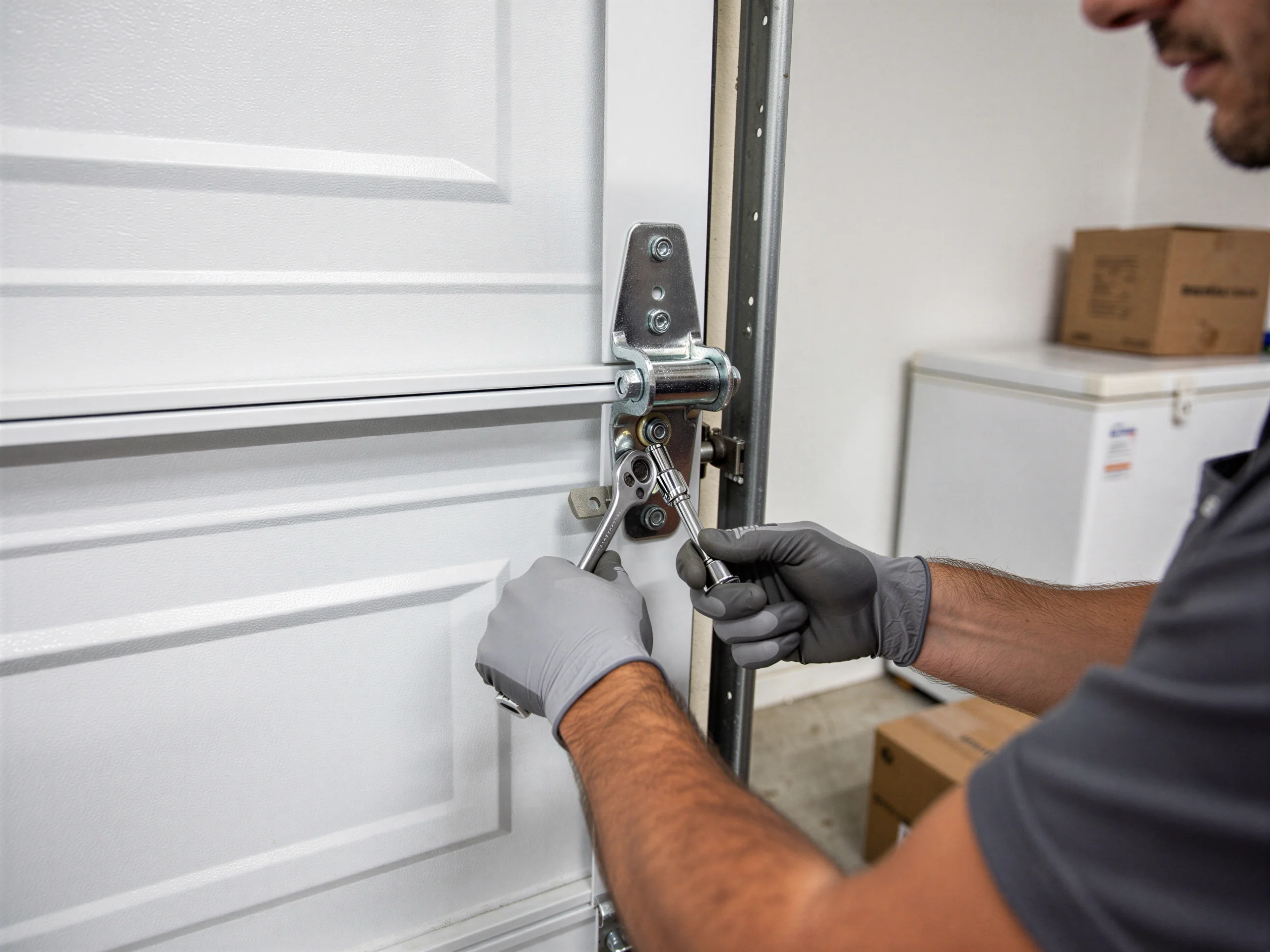
A technician tightens a garage door hinge with a wrench.
Same-day serviceTrusted local pros
Serving New Haven, CTBackground-checked techsHonest, upfront pricingFast local response

DIY or pro

Doing It Yourself

Most houses in Hamden went up in 1963, right in the stretch when steel sectional doors were replacing older wood panel doors and torsion springs started appearing on wider two-car openings.

Safe DIY maintenance tasks

If your door is original to the house, you're dealing with hardware that's pushing sixty years old, and that changes what's safe to touch yourself. You can do a few things without risk: wipe down and lubricate the rollers and hinges, check that the photo-eye sensors near the floor are aligned and clean, and tighten any loose hardware on the track brackets.

Keep hands off springs

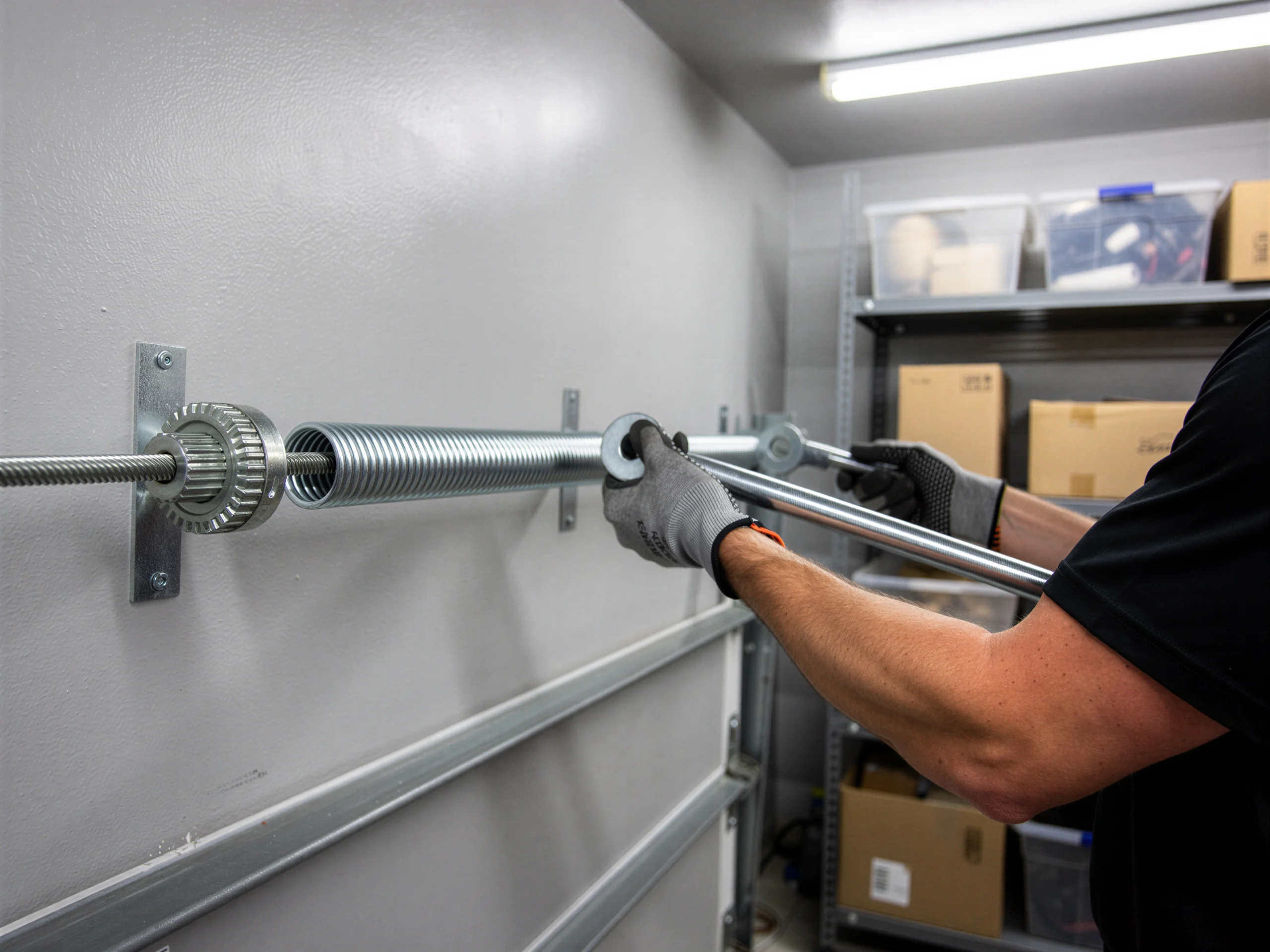
What you should not do is touch the spring itself, whether it's a torsion unit over the header or the older extension-spring style still common on doors from this era. A spring under tension that lets go can break fingers or worse, and the extension-spring setups from the 1960s and 70s often lack the safety cables that newer code requires, which makes a failure more dangerous, not less.

Stop forcing stuck doors

If the door won't open, won't close all the way, or reverses on its own, stop trying to force it and call. Forcing a door with a bad cable or an off-track roller usually turns a one-part repair into a full hardware replacement.

Booking

Booking a Visit

We run out of New Haven, about 6 miles from Hamden, and we don't keep a branch or depot inside town. When you call, we're scheduling a truck that's already covering the wider service area - New Haven itself plus the towns around it, Hamden included.

  1. Build decade matters

    Tell us the age of the house if you know it, or just the decade it was built. For Hamden that's usually mid-1960s to early-1970s, and knowing that before the truck arrives lets us bring the right spring wire size and track hardware instead of guessing on-site.

  2. Common call volume

    The area runs through roughly 23,195 households, many sitting on that same original garage door hardware, so this isn't an unusual call for us. We don't invent a response-time promise here, because travel time depends on where the truck already is that day.

  3. Same schedule as area

    What we can tell you is that the drive from New Haven is short, and Hamden calls go on the same schedule as the rest of the service area - not a lower priority because there's no local branch. For a look at the other services we run in town, see our garage doors in Hamden page, or the main garage door repair page for New Haven.

Our process

How We Fix It

On a door built around the median 1963 date for this area, the first thing we check is whether it's still running on extension springs mounted above the horizontal track, or whether a prior owner already upgraded to torsion.

Containment cable retrofits

Extension-spring systems from that period often weren't built with containment cables, so a snapped spring can whip and damage the track or the door skin - we replace those with the newer safety-cabled version even when we're only there for something else.

Re-leveling the track

Track misalignment is common on houses this age because the original steel track has flexed over decades of temperature swings. We re-set and re-level the track rather than just bolting it back where it was, since a door that's been running crooked for years has usually worn the rollers unevenly too. Openers get checked separately from the door itself.

Opener versus binding diagnosis

A door that's mechanically fine but won't respond to the opener is a different job than a door that's binding on its own hardware, and we diagnose which one you've actually got before quoting anything. Our honest limit: if the door and track are both original and badly rusted or warped, repair sometimes costs close to what a new door would run. We'll tell you that straight rather than keep patching a door that's done.

Warning signs

How It Shows Up

On houses from this build era, the symptoms tend to run in a pattern. A door that suddenly feels heavy to lift by hand, or that an opener strains against, usually means a spring that's lost tension or snapped outright - common once a torsion spring from an earlier replacement hits the end of its cycle life.

Shuddering from loose brackets

A door that shudders or jumps partway through its travel, rather than moving smoothly, often points to a roller that's worn flat or a track bracket that's worked loose from the original lumber framing - framing that's now six decades old and doesn't always hold a lag screw the way it used to.

Bottom corner gap drift

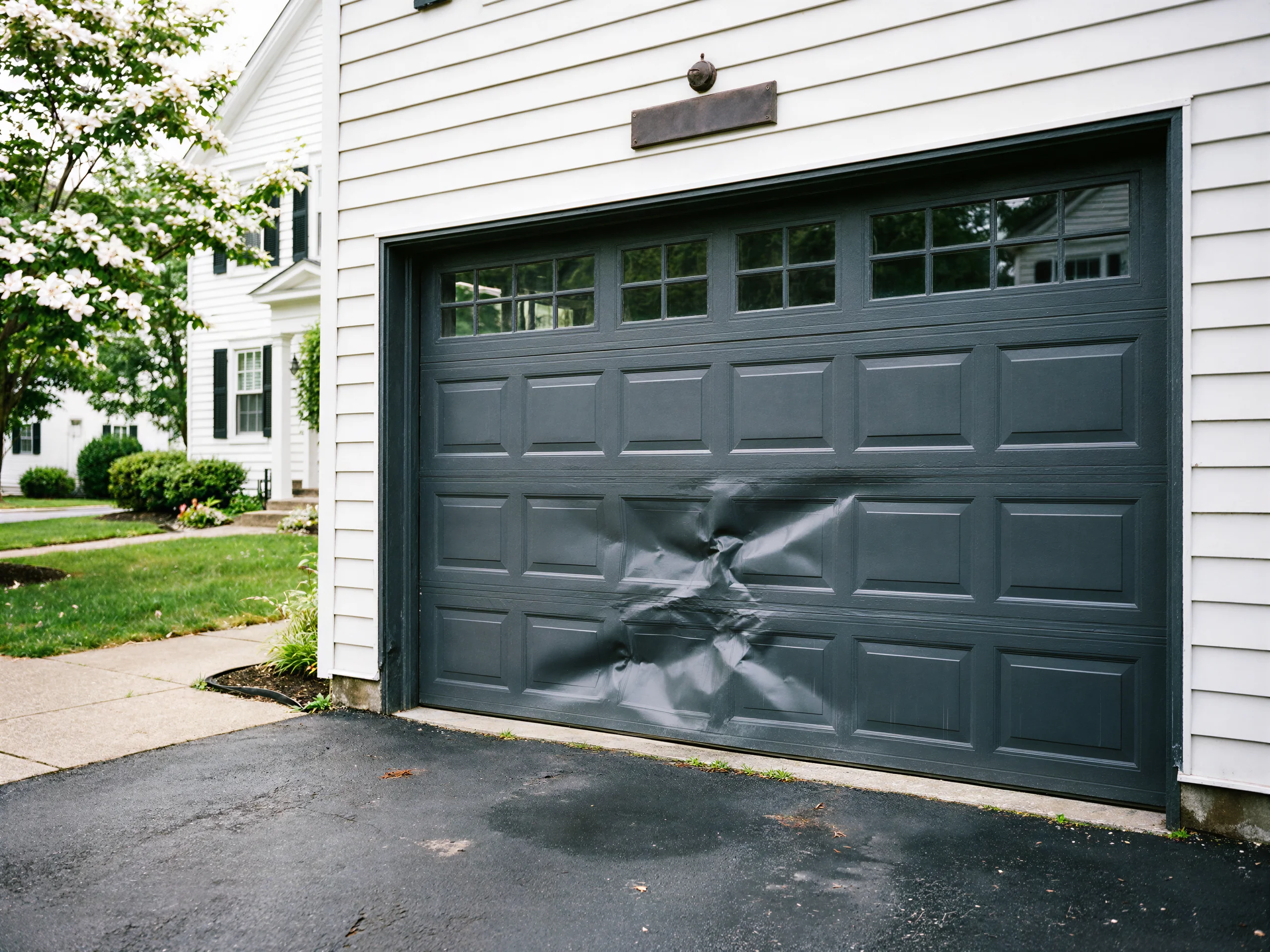
Gaps that appear at the bottom corners, or a door that doesn't sit flush when closed, usually mean the track has drifted out of parallel. On a house this age that's more often a slow settling issue than sudden damage.

Nylon and grease stiffen

And with the cold-severe winter conditions this whole area sits in, nylon rollers and hardened grease both behave differently at 10 degrees than they do in July - a door that's fine all summer can start binding the first hard freeze.

Timing

How Long It Takes

A straightforward spring replacement or roller swap is usually a single visit, start to finish. Track realignment runs about the same, assuming the bracket mounts underneath haven't rotted out, which does happen on houses old enough to have had a roof or siding job or two since 1963.

Where it slows down is parts. If your door is still running on an original or near-original track width that newer doors don't use, or an opener model old enough that the drive gear is no longer a stock item, we may need to order the part rather than carry it on the truck. We'd rather tell you that upfront than promise a same-visit fix we can't deliver.

We don't quote a fixed response time for Hamden specifically, since the truck is coming from New Haven and the day's schedule varies. What we can say is that once we're on-site, most single-fault repairs don't turn into multi-day jobs unless the part itself needs ordering.

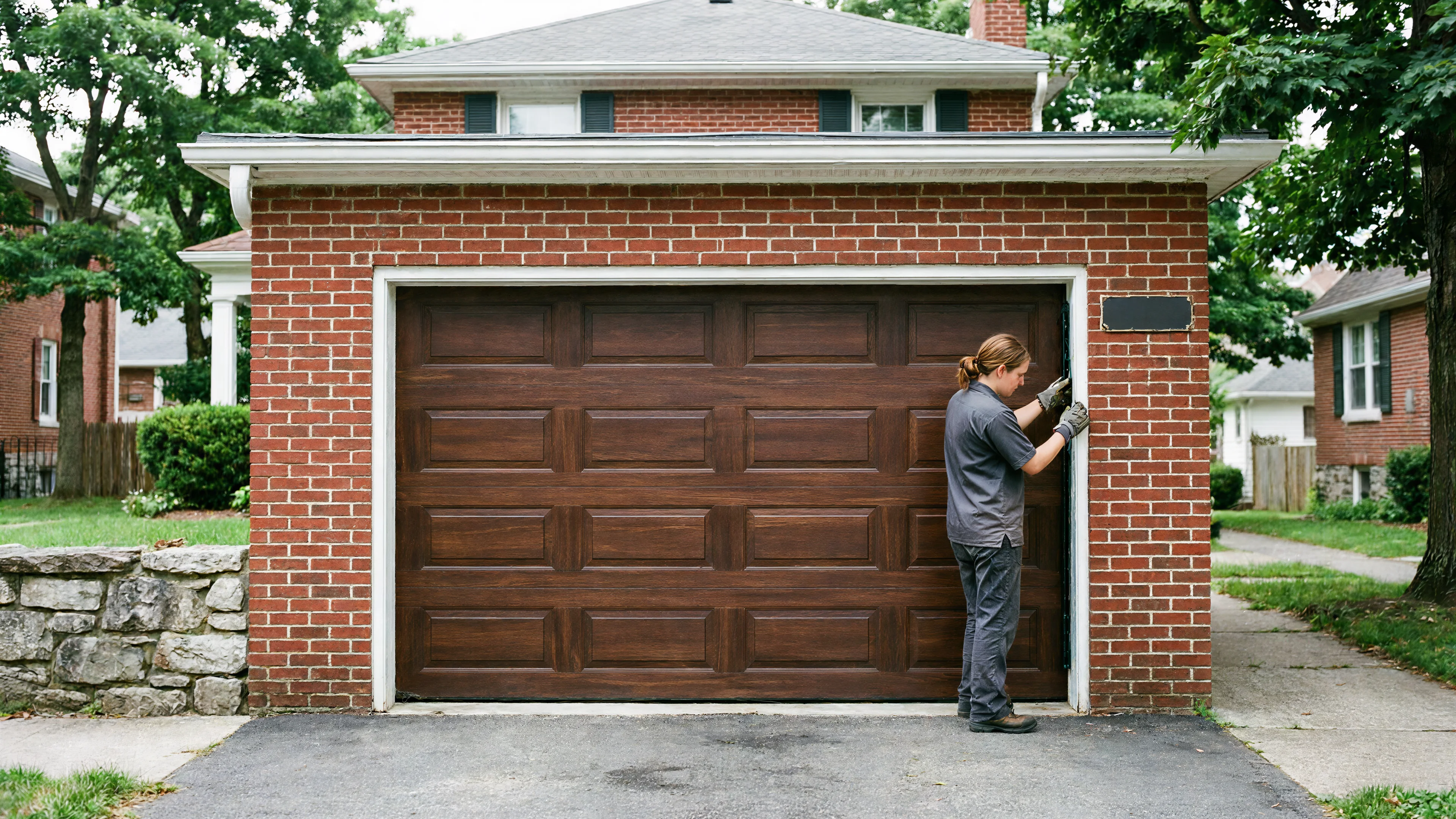
A technician adjusts a brown garage door on a brick house.

On the truck

What Is on the Truck

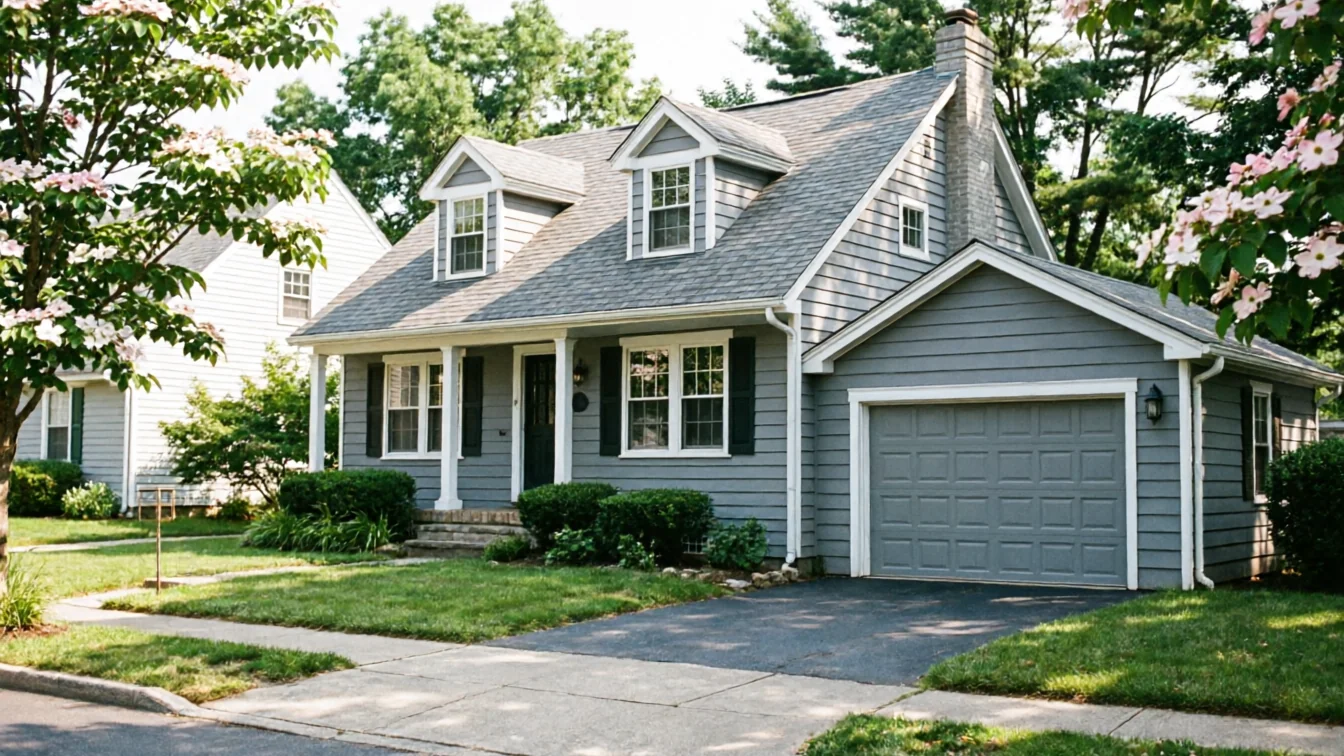
A gray house with a gray garage door and green landscaping.

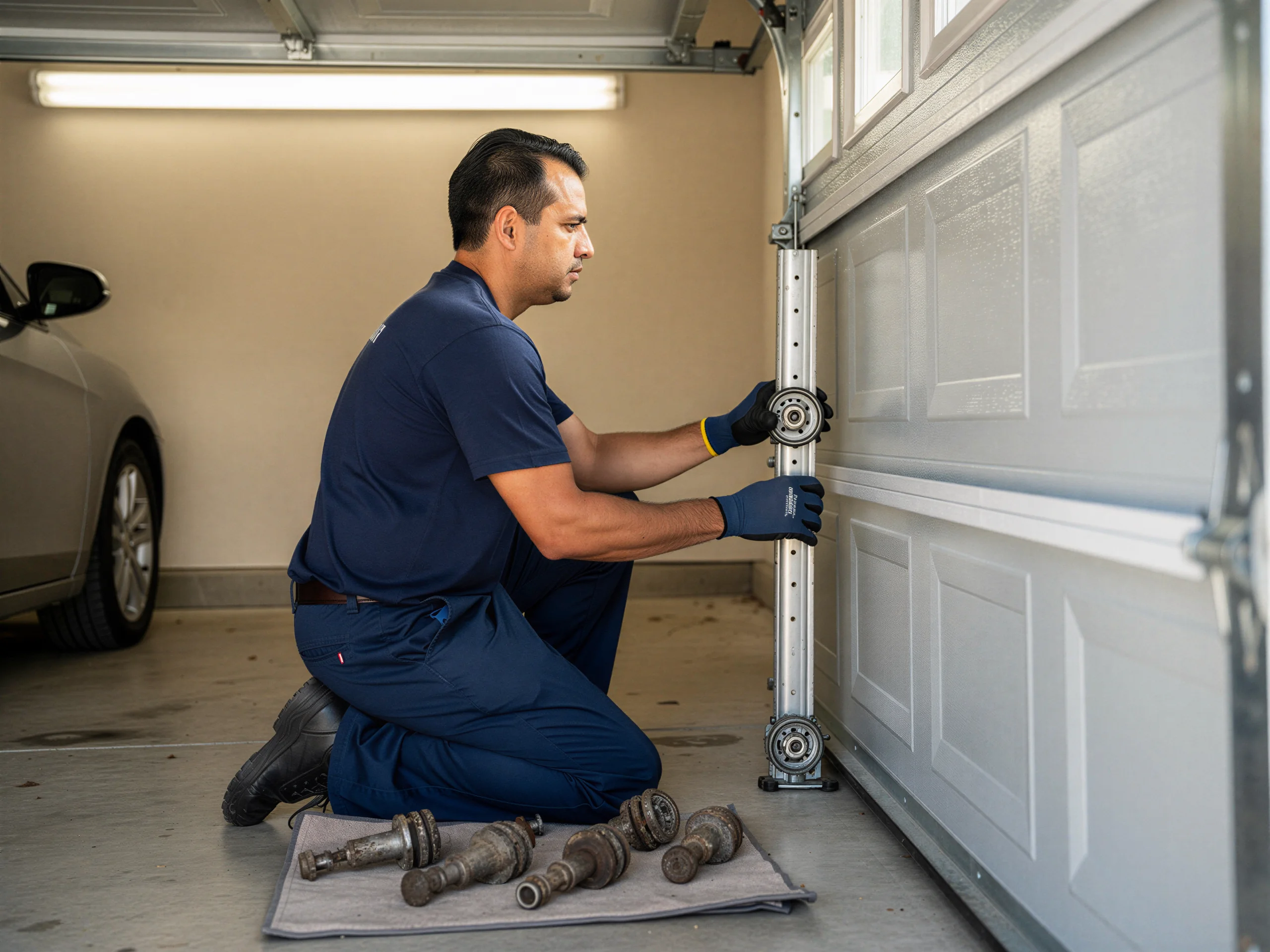
Because so much of the housing here dates to the 1960s and 70s, we carry torsion springs in the wire sizes that match doors from that era, not just the sizes used on new construction. Same with rollers - both the older steel-stem style and the quieter nylon replacements people usually ask for once they're paying to fix it anyway.

We stock the galvanized cable and safety-cable kits that let us retrofit a cable system onto an extension-spring door that never had one, which matters given how many doors in this area are old enough to predate that as a standard feature. Track sections, end bearing plates, and the common hinge sizes ride along too, since track damage and worn hinges are the most frequent calls from houses this age.

What we don't carry is every proprietary opener part for every brand ever sold - if your opener is old enough that the manufacturer has discontinued the gear kit, that's the one thing that sometimes means a return trip.

Questions

Common questions

Why does my 1960s garage door feel so much heavier to lift than a newer one?

Older torsion and extension springs lose tension gradually as they age, and a lot of Hamden's housing dates to the early 1960s to early 1970s, right around the median build year of 1963. A spring that's done its cycle count will make the door feel heavy well before it actually snaps.

Do you have a branch in Hamden?

No. We work out of New Haven, about 6 miles away, and cover Hamden as part of the wider service area. There's no local depot, just a scheduled truck route that includes Hamden calls alongside New Haven and the surrounding towns.

Is my old extension-spring door unsafe?

Not inherently, but a lot of extension-spring doors from the 1960s and 70s were installed before safety containment cables were standard. If yours doesn't have them, a snapped spring can whip loose instead of staying contained, and that's worth fixing even on a door that's otherwise working fine.

Why would you tell me not to fix my own door when it's a simple spring swap?

Spring tension is dangerous regardless of how simple the swap looks. A torsion or extension spring under load can cause serious injury if it releases while you're working on it, which is why we treat spring work as a call-us job, not a DIY one, no matter the door's age.

Ready when you are

Need a garage door sorted in New Haven?

New Haven Garage Door Pros repairs and installs garage doors, springs and openers in New Haven, CT and the surrounding area.

Call Now(475) 203-3810