New Haven, CTSame-day service/Free estimates/Licensed & insured(475) 203-3810

Hamden, New Haven

Panel Replacement for Hamden's 1960s Garage Doors

Hamden's housing mostly dates to the early 1960s, so dented or rusted steel panels rarely match off the shelf. We replace single panels, not whole doors.

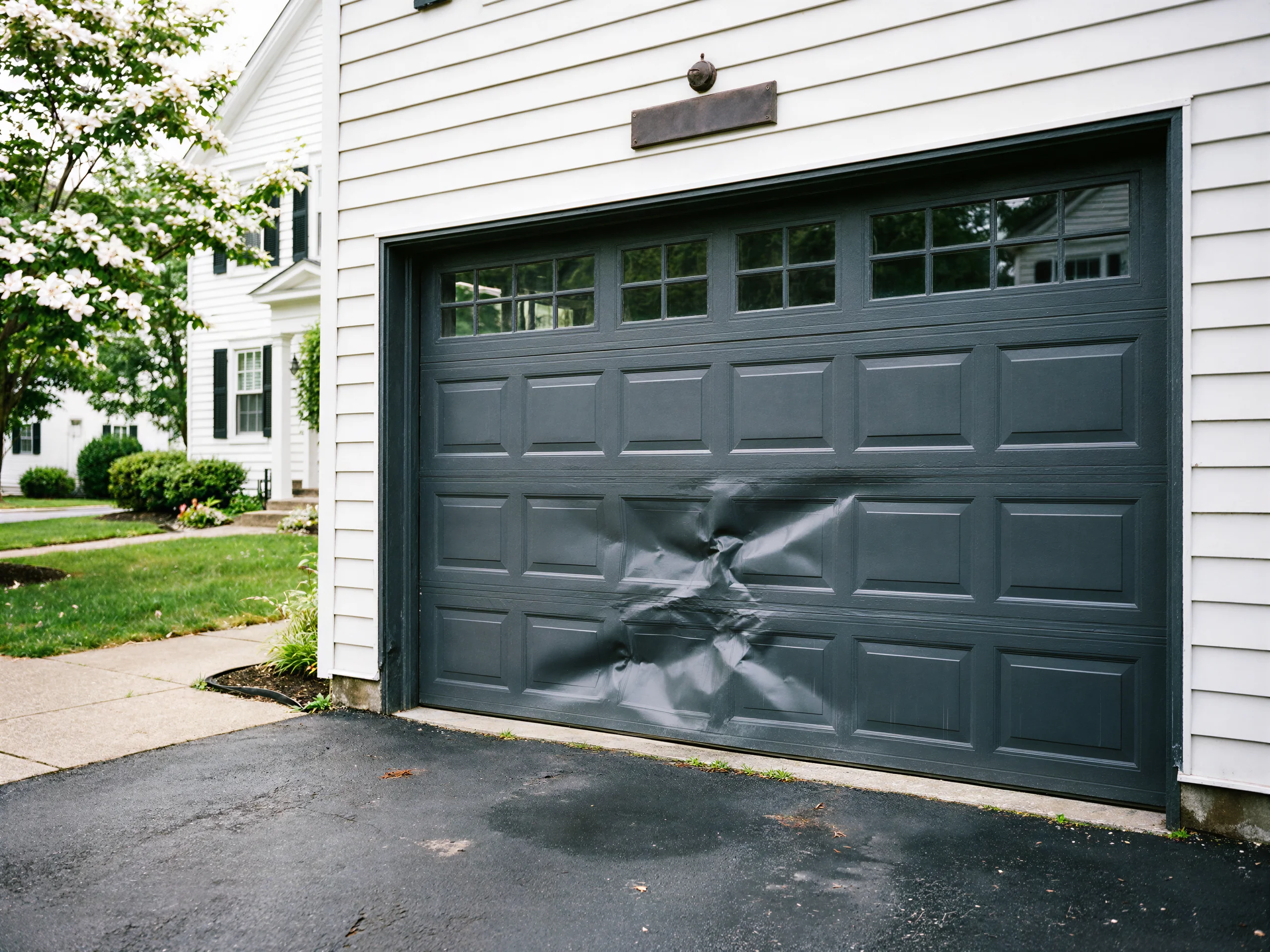
A dark gray garage door with windows has a large dent in the lower left panel.
Same-day serviceTrusted local pros
Serving New Haven, CTBackground-checked techsHonest, upfront pricingFast local response

DIY or pro

Doing It Yourself

Most Hamden garages went up around 1963, and the steel sectional doors from that era used narrower panel profiles than what you'll find at a home store today.

Panel seam mismatch

That's the first problem with a DIY fix: the replacement panel you buy new almost never lines up with the three or four panels still on the door, and you end up with a visible seam mismatch that bugs you every time you pull in. The second problem is the hardware.

Bottom panel load risk

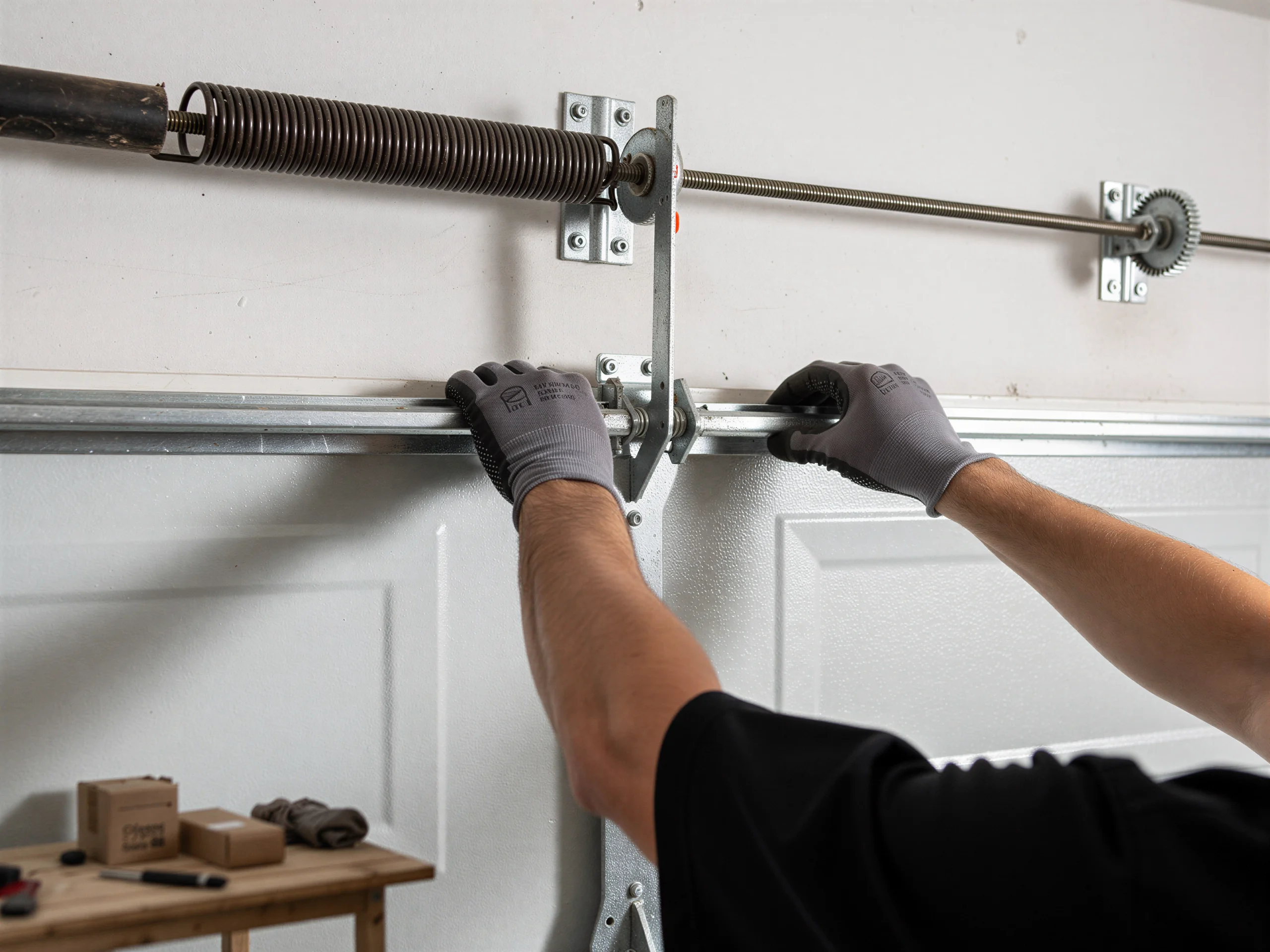
Pulling a bottom panel means disconnecting the bottom brackets, which on a torsion-spring door means the spring is still under load the whole time you're working. We're not going to tell you that's impossible to do safely, but it's the one step where a mistake costs fingers, not just time.

Single-panel DIY threshold

If your door is a single panel with hinges only - no spring load at that joint - swapping it yourself is reasonable. If it's a torsion setup, or you're not sure which you have, that's the point where it's worth a call instead of a guess. We'll say plainly: we don't talk anyone out of trying the simple swaps. We just won't pretend the spring step is low-risk when it isn't.

Booking

Booking a Visit

We run this job out of New Haven, about 6 miles from Hamden, so there's no separate branch or yard in town - we bring the panel stock and hardware with us on the appointment.

  1. Clear photos speed scheduling

    Because panel profiles from the 1960s and 70s aren't standardized the way current doors are, the most useful thing you can do before we come out is get us a clear photo of the damaged panel and, if you can find it, any maker's stamp on the track or the back of a panel.

  2. Phone descriptions fall short

    That photo does more for scheduling accuracy than a phone description ever does, since "the middle panel is bent" covers a lot of ground on a door this age.

  3. Stamp reveals production status

    If the stamp or profile tells us we're dealing with a design that's still produced, we can often quote the job before we're on-site. If it's a discontinued profile, we'll tell you that up front rather than show up and discover it at your driveway.

Our process

How We Fix It

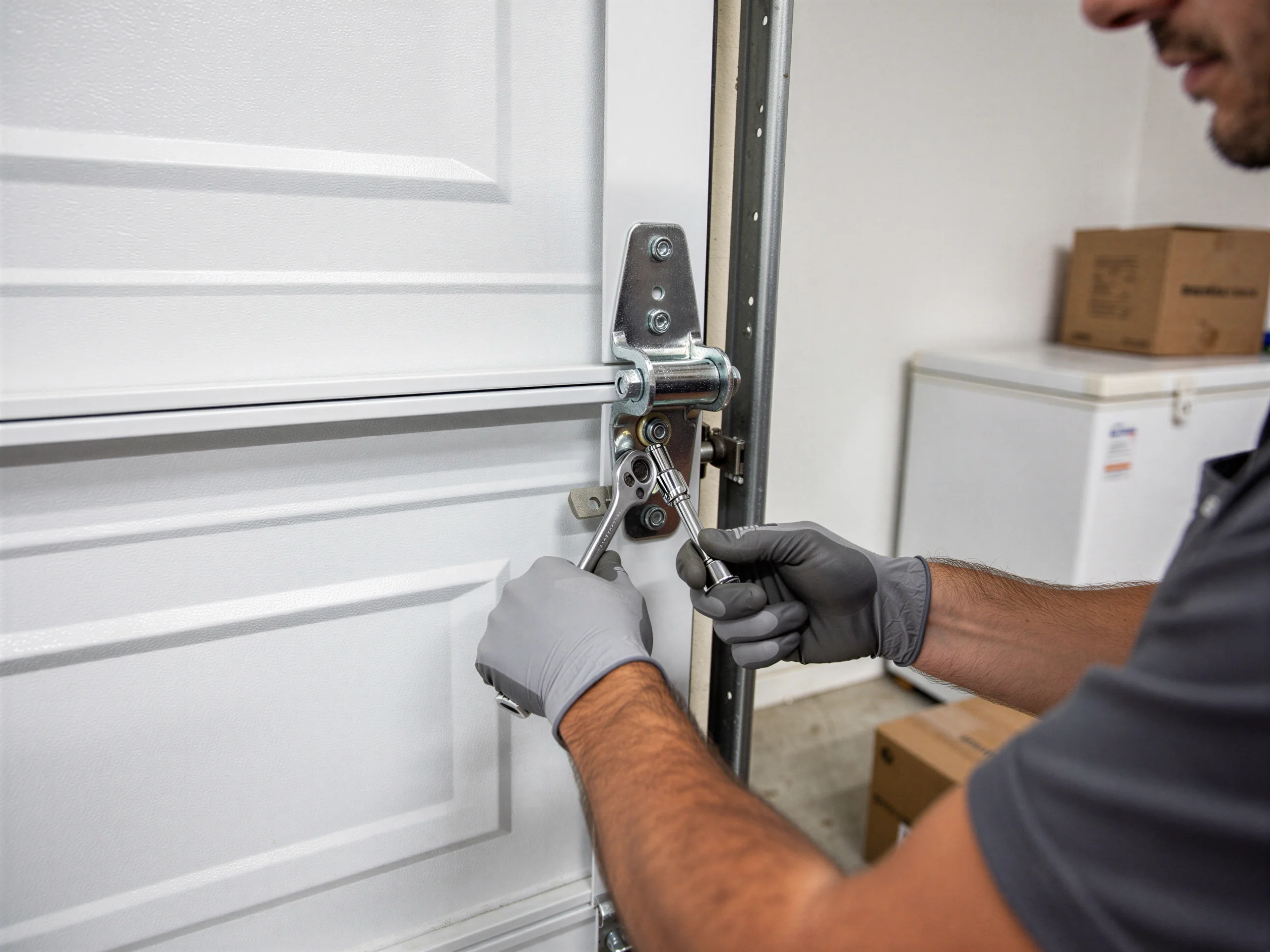
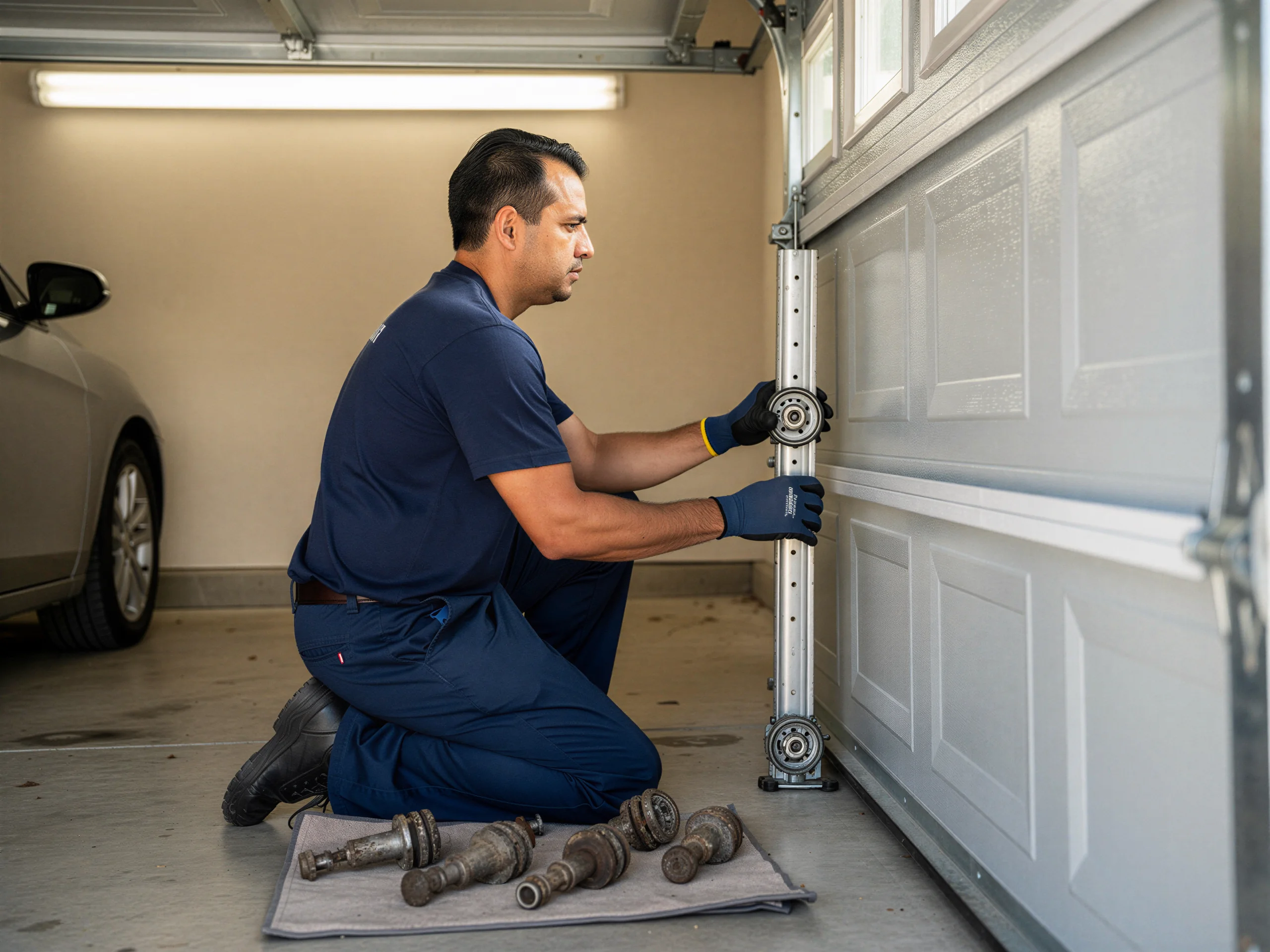
First step is matching: we check the panel height, the rib or groove pattern, and the hinge spacing against what's currently on your door, because a close-enough panel from a different manufacturer will usually have hinge holes in the wrong place. Once we've confirmed a match, or sourced a compatible replacement, we disconnect the hinges and rollers from the damaged section, support the door so the remaining panels stay aligned in the track, and swap the panel in.

We reuse the existing hinges and rollers where they're still sound, since replacing parts that aren't worn just adds cost without adding anything. If the rollers are pitted or the hinges are stretched out from decades of a door running slightly out of square - common on doors from the 1963 era we see across Hamden - we'll replace those too and say why. Last step is balancing the door again, since a new panel changes the weight distribution slightly even when it's the same size as what came off.
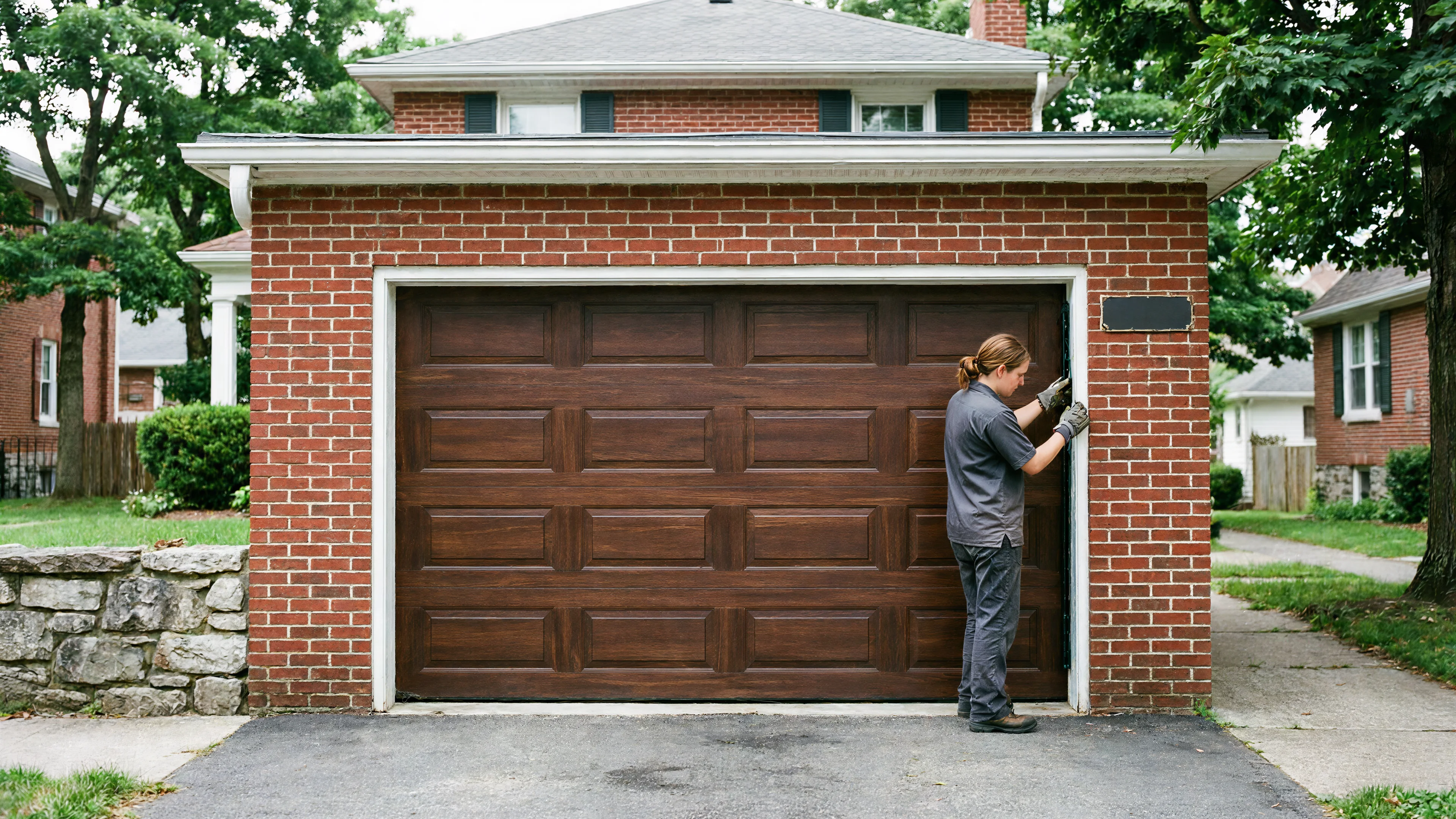
A technician adjusts a brown garage door on a brick house.

Warning signs

How It Shows Up

On a door built when Hamden's housing stock was going up, the panel failure you'll usually see first isn't a dramatic crack - it's a seam that's started to separate at the bottom edge, letting daylight through at the corner even though the door still closes and locks fine.

Seam gaps let moisture in

That seam gap is where moisture gets in, and once it's in, the steel rusts from the inside of the panel out, so by the time you see surface rust on the face, the panel's often already weaker than it looks.

Crisp-edged impact dents

A harder impact - a car bumper, a basketball, a ladder - shows up differently: a dent that's crisp-edged rather than a slow bow, usually on one panel only.

Single panel replacement alone

Either way, the panel itself is usually fine to replace on its own; it's rare that panel damage alone means the whole door needs to go, unless the track's been knocked out of alignment at the same time.

Timing

How Long It Takes

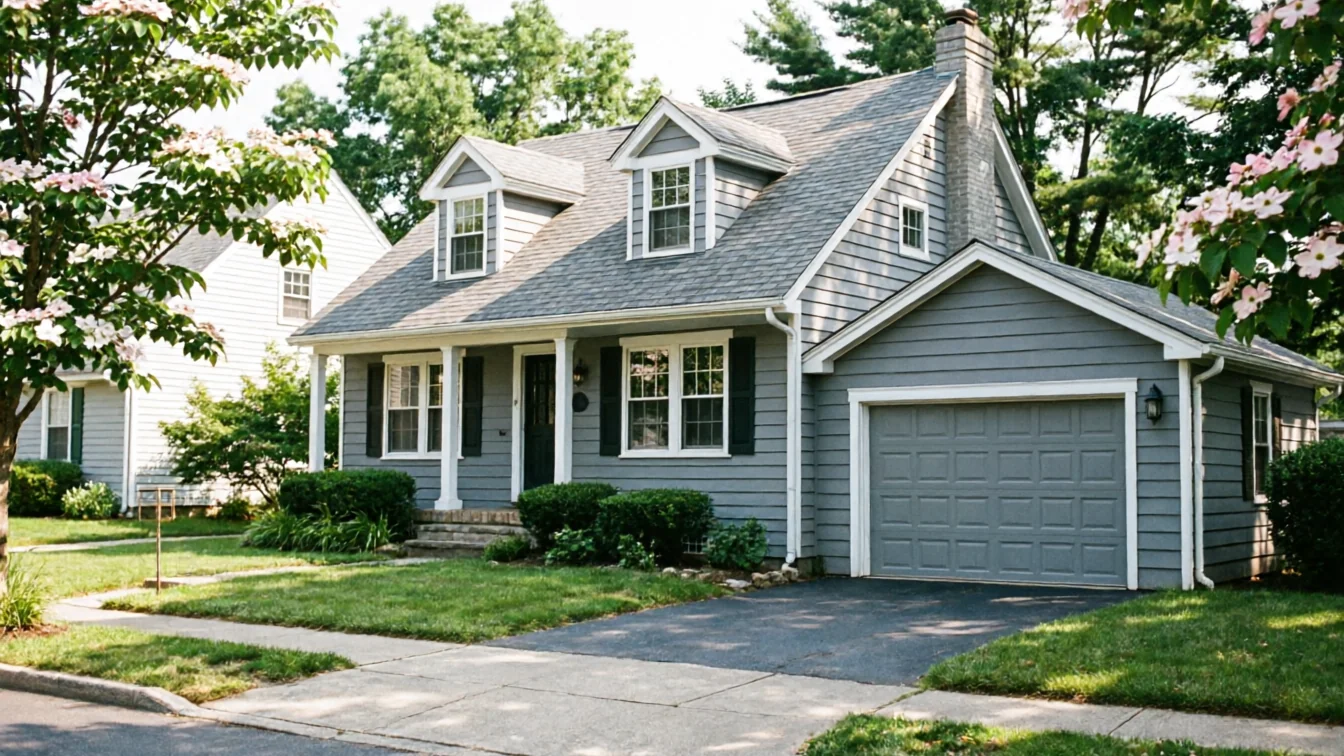
A gray house with a gray garage door and green landscaping.

If your panel profile is one that's still in current production, the swap itself is a same-visit job once we're on-site with the part. The lead time problem is upstream of that: doors from the early 1960s sometimes used panel heights or rib spacing that manufacturers stopped making years ago, and sourcing a true match for those can take longer than the repair.

We'll be straight with you here - if we can't get an exact match in a reasonable window, the honest options are a close-but-not-identical panel on the back or side where it's less visible, or a full door replacement if matching matters more to you than cost. We won't sell you a full door when one panel will do, but we also won't promise a match we can't get.

On the truck

What Is on the Truck

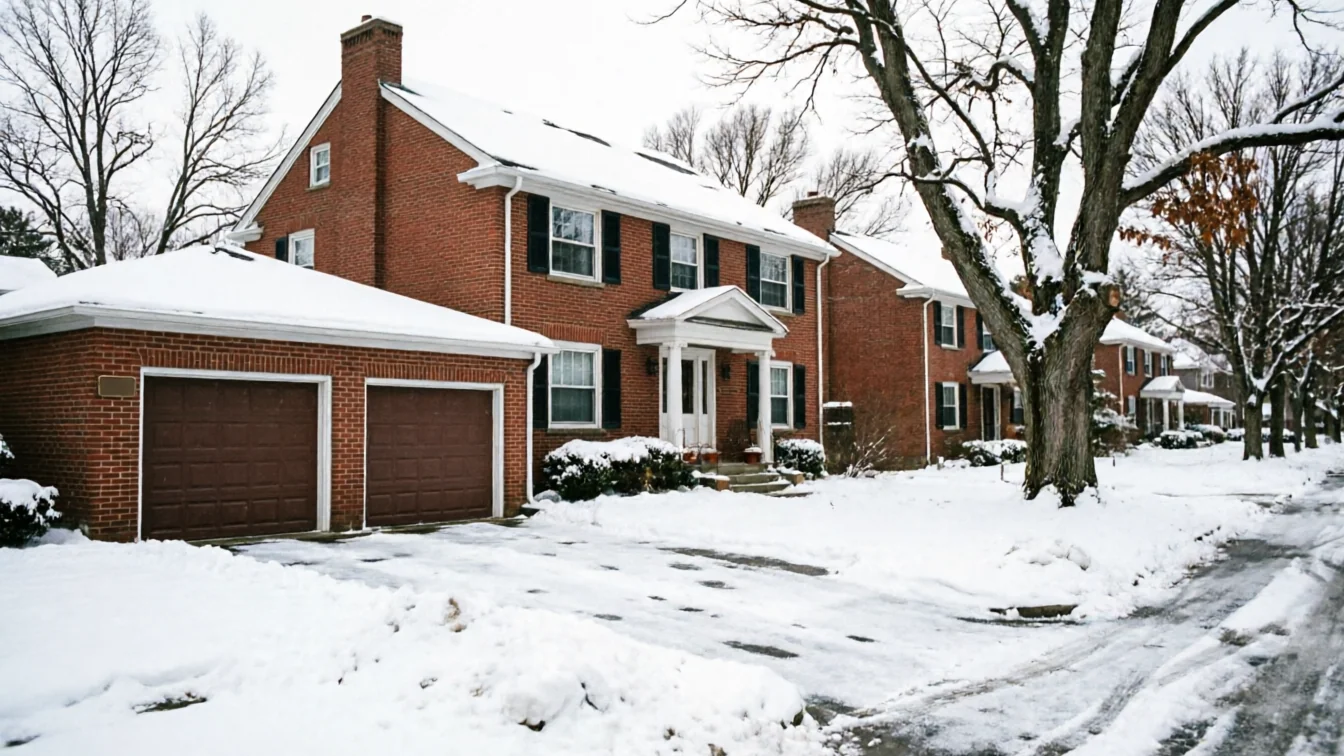
The house has two brown garage doors and a snow-covered driveway.

We carry common panel sizes and hinge and roller hardware that cover most of the sectional doors installed across this area's housing stock, which runs mostly 1960s and 70s construction. That covers a lot of the straightforward swaps without a special order.

What we can't carry is every discontinued panel profile from every manufacturer that made doors when Hamden's houses were new - that's a sourcing call, not a truck-stock item, and we'll tell you on-site if that's what we're looking at rather than guess and come back twice.

Questions

Common questions

Will a new panel match the rest of my door exactly?

If your door's panel profile is still in production, yes, close enough that it won't stand out. If your door dates to the early 1960s building boom here and uses a discontinued profile, an exact match may not be possible, and we'll tell you that before we order anything rather than after.

Do I need a whole new door if one panel is damaged?

Usually not. Most of the panel damage we see on Hamden's older doors - dents, rust at the seams - is isolated to one section, and the rest of the door and hardware are still sound. We replace the damaged panel on its own unless the track or spring is also compromised.

Can I replace a bottom panel myself?

If your door runs on hinges only at that joint with no spring load, it's a reasonable DIY swap. If it's a torsion-spring door, the spring stays under load during the job, and that's the step we'd rather you not learn on your own driveway.

Do you keep a stock of parts for older Hamden-area doors?

We carry common panel sizes and hardware that cover most 1960s-70s sectional doors, which is most of what's on this part of the service area. Some discontinued profiles need a special order, and we'll flag that at the estimate, not after the job's started.

Ready when you are

Need a garage door sorted in New Haven?

New Haven Garage Door Pros repairs and installs garage doors, springs and openers in New Haven, CT and the surrounding area.

Call Now(475) 203-3810